
As an Amazon Associate, this website earns from qualifying purchases.
To effectively eliminate acne, understanding its root causes is key—hormonal changes, excess oil, bacteria, and clogged pores all play roles. A consistent skincare routine, including gentle cleansers and targeted treatments like benzoyl peroxide or retinoids, is essential. Lifestyle habits matter too, so reducing sugar intake, managing stress, and keeping skin clean and oil-free can prevent breakouts. Applying products to the whole face and sticking with treatments for 4–6 weeks helps. Tackle hair care, makeup choices, and seek medical help if needed. If you keep exploring, you’ll find ways to truly clear your skin.
Understand the Root Causes of Acne and How It Develops
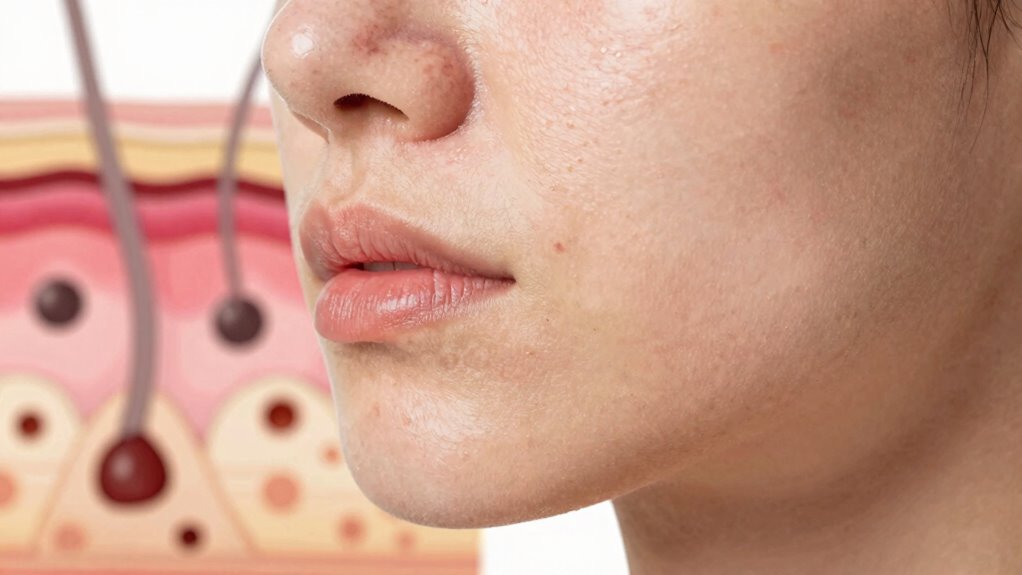
Ever wonder why acne seems to pop up out of nowhere? It all starts with understanding the acne causes. When hair follicles become clogged with excess skin cells and oil, or sebum, pimples form. Sebum production increases due to hormonal changes, especially during teenage years, menstruation, or stress, making skin oilier.
This extra oil creates a perfect environment for bacteria, particularly Propionibacterium acnes, to grow. These bacteria can trigger inflammation, turning small bumps into red, swollen pimples. Sometimes, clogged pores lead to deeper cysts.
Acne isn’t just about hygiene; it’s a mix of overactive oil glands, abnormal skin cell shedding, and bacterial infection. Recognizing these root causes helps in choosing the right treatments and prevents the cycle from continuing.
Establish a Consistent Skincare Routine That Works
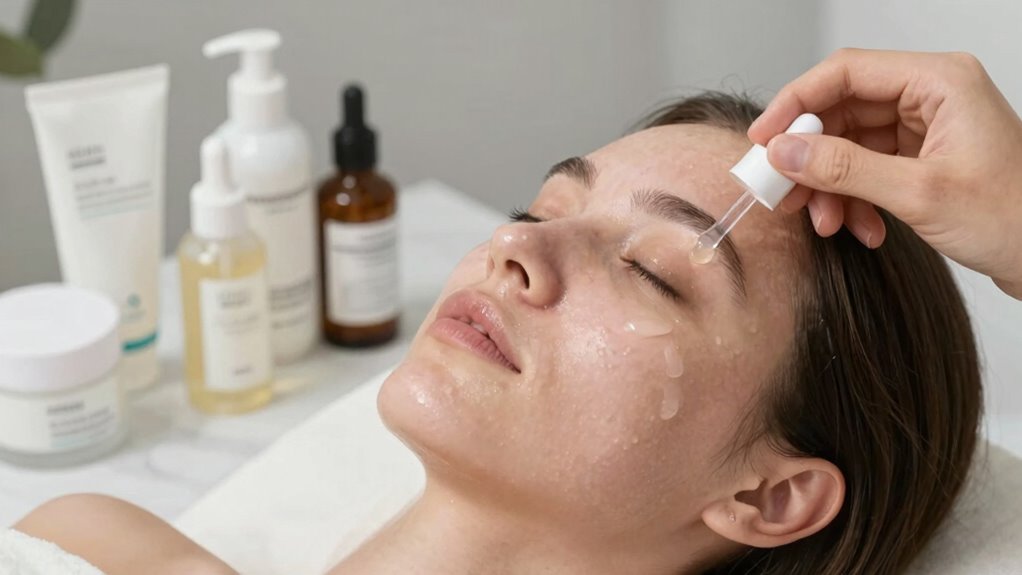
Establishing a consistent skincare routine is a key step in managing acne effectively. For those with acne-prone skin, sticking to a gentle cleansing schedule helps reduce bacteria and inflammation. Washing twice daily with a mild cleanser, preferably containing benzoyl peroxide, can make a noticeable difference. It’s important to avoid scrubbing or using harsh exfoliating brushes, which can irritate the skin and worsen breakouts. Using a non-comedogenic moisturizer, meaning it won’t clog pores, supports the skin’s barrier and keeps it hydrated without adding oil.
Applying acne treatments as directed and giving each product time to work, usually 4–6 weeks, helps determine what’s effective. Maintaining this consistent skincare routine, along with regular pillowcase changes and post-sweat washing, contributes greatly to clearer skin.
Use Effective Topical Treatments for Clearer Skin
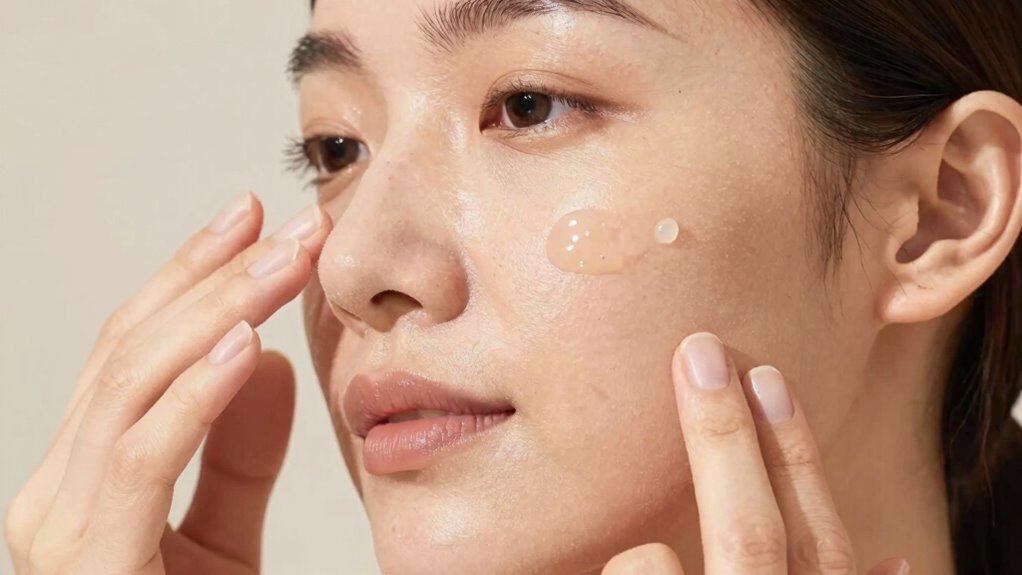
Using the right topical treatments can make a real difference in clearing up acne. Starting with one or two products and giving them 4 to 6 weeks to work is key, as skin improvement takes time. Benzoyl peroxide is great for killing P. acnes bacteria and is often used with other treatments. Retinoids, like adapalene, help unclog pores and control oil, reducing breakouts.
Salicylic acid eases inflammation and clears blocked pores. It is found in washes or leave-on treatments. It’s important to choose non-comedogenic, oil-free products labeled for acne-prone skin and follow instructions carefully. To prevent irritation, avoid combining tretinoin with benzoyl peroxide in one product. Instead, use them at different times of day.
Patience and consistency are essential for clearer skin.
Incorporate Dietary and Lifestyle Changes to Reduce Breakouts
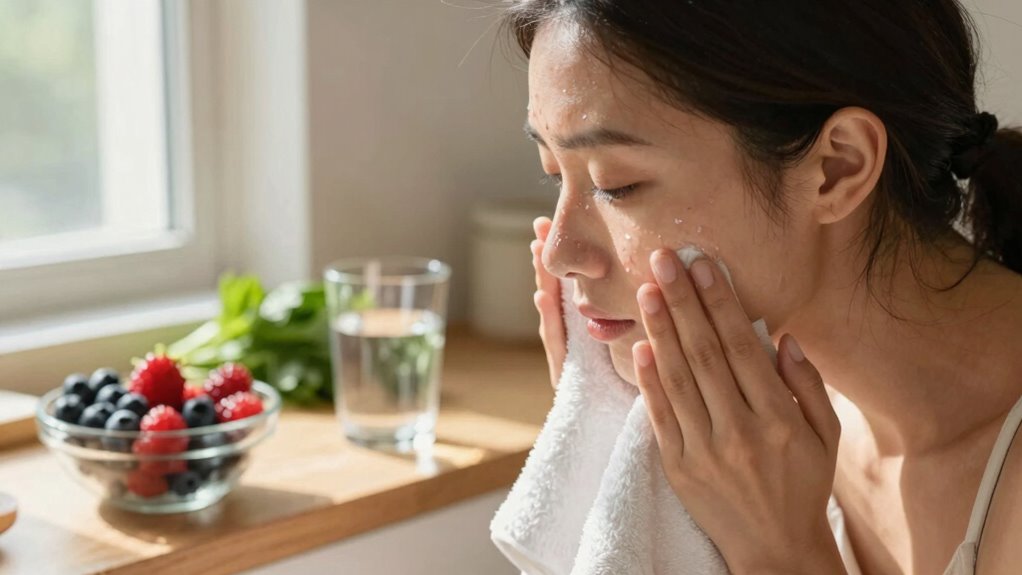
Have you ever wondered how much your daily habits might be affecting your skin?
Incorporating dietary and lifestyle changes can make a noticeable difference in reducing breakouts. An acne diet isn’t about avoiding all treats but focusing on reducing sugars and simple carbs, which can trigger skin issues. Keeping a food diary helps identify personal triggers, so adjustments become more targeted. Meanwhile, a balanced diet rich in fruits, vegetables, and whole grains supports healthier skin overall.
Lifestyle factors like getting enough sleep, managing stress, and exercising regularly also play vital roles. A good skin care routine combined with these habits can help keep skin clearer. Remember, small consistent changes often lead to the best long-term results for glowing, healthier skin.
Manage Acne-Prone Hair and Keep Your Face Clean After Sweating
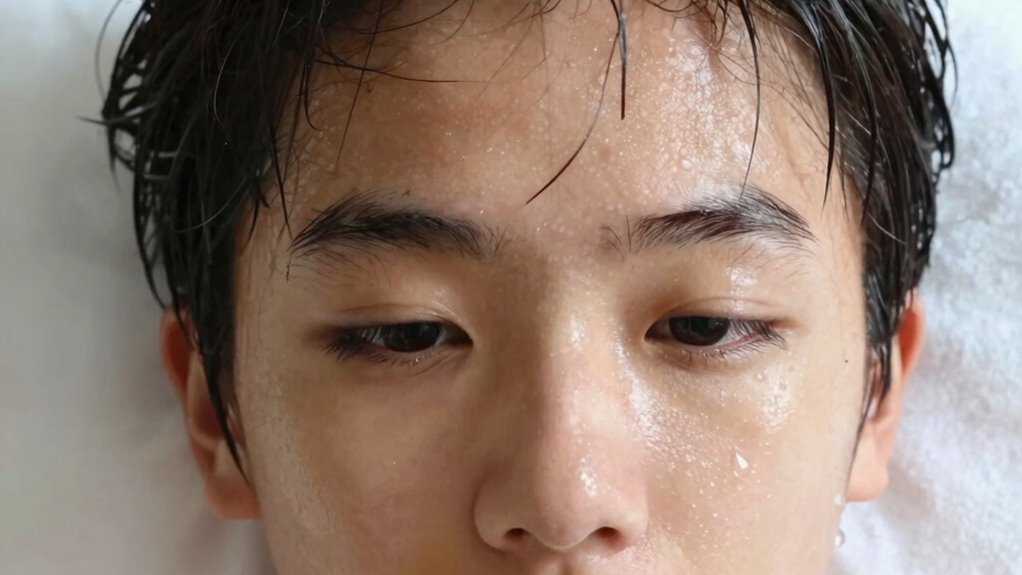
Keeping hair clean and away from the face is a simple yet effective way to prevent breakouts, especially in the forehead and hairline areas. For those with acne-prone hair, regular washing helps reduce excess oil that can clog pores and cause pimples. It’s also important to keep the face clean after sweating, as sweat combined with oil can worsen breakouts. Using gentle cleansers and drying thoroughly can improve oil control and prevent irritation.
Avoid heavy pomades or gels that trap oils and sweat against the skin, and steer clear of tight headbands that do the same.
- Wash hair frequently, especially if it’s oily
- Use lightweight, oil-free hair products
- Shower promptly after sweating
- Pat skin dry with a clean towel
- Keep hair away from the face for better oil control
Choose Non-Comedogenic Makeup and Sunscreens for Sensitive Skin
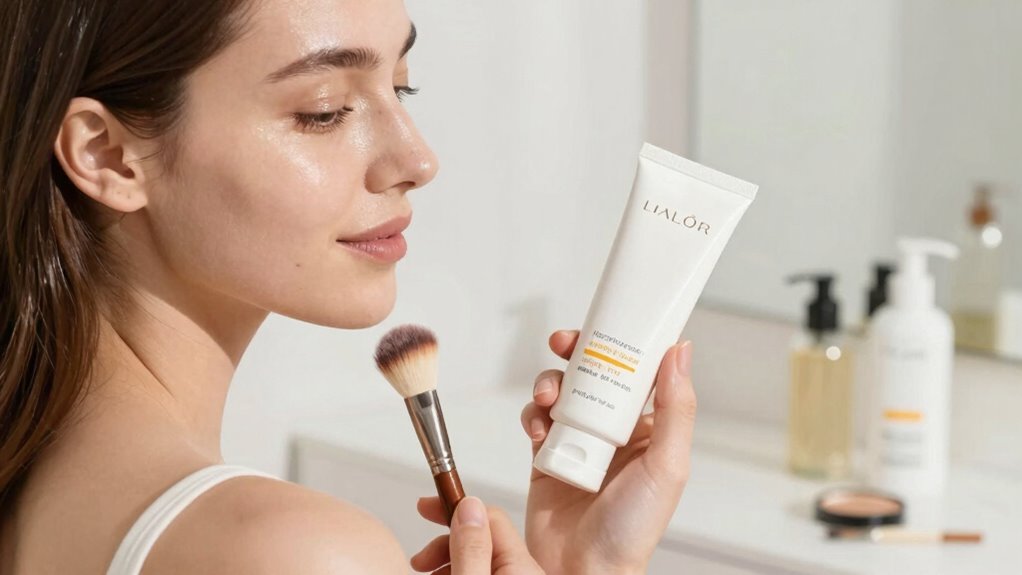
Ever wonder why some makeup and sunscreens seem to cause more breakouts than others? The key is choosing products labeled as non-comedogenic, oil-free, or designed for acne-prone skin care. These formulas help prevent clogged pores, which can worsen breakouts. Water-based options are usually gentler, especially for sensitive skin. Avoid ingredients like cocoa butter, mineral oil, or cold cream—these can trap oil and dirt.
Mineral-based options with silica, titanium dioxide, or zinc oxide are good choices because they absorb oil and are kind to delicate skin. Always test new products before full use, as sensitivities vary. Here’s a quick guide:
| Product Type | Best Choice | Ingredients to Avoid |
|---|---|---|
| Foundation | Non-comedogenic, oil-free | Cocoa butter, mineral oil |
| Sunscreen | Acne-prone skin, non-comedogenic | Cold cream, heavy oils |
| Powder | Mineral-based, silica | Comedogenic additives |
| Blush/Concealer | Water-based, non-acnegenic | Thick creams, greasy formulas |
Know When to Try Medical Treatments Like Antibiotics or Retinoids
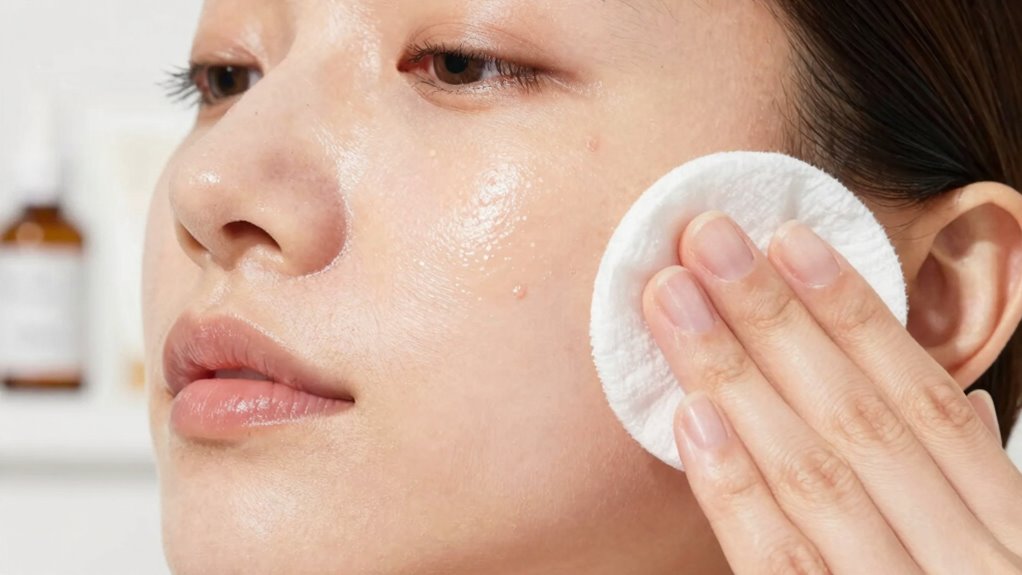
When over-the-counter treatments aren’t enough to clear up persistent or severe acne, medical options can offer real relief. According to acne treatment guidelines, doctors may recommend antibiotics to reduce bacteria and inflammation, especially for moderate to severe cases. Retinoids are another option, helping unclog pores and prevent new breakouts. These treatments are often used alongside other therapies, like benzoyl peroxide, to reduce resistance. It’s important to follow a healthcare provider’s advice, as some medications require careful monitoring.
Consider these points:
- Antibiotics are typically used for a limited time to avoid resistance.
- Retinoids are effective but can cause skin irritation initially.
- Severe cases may need oral medications like isotretinoin.
- Hormone therapy can help women with hormonal-related acne.
- Always consult a doctor before starting or changing treatments.
Practice Proper Facial Hair Removal and Avoid Touching Your Face
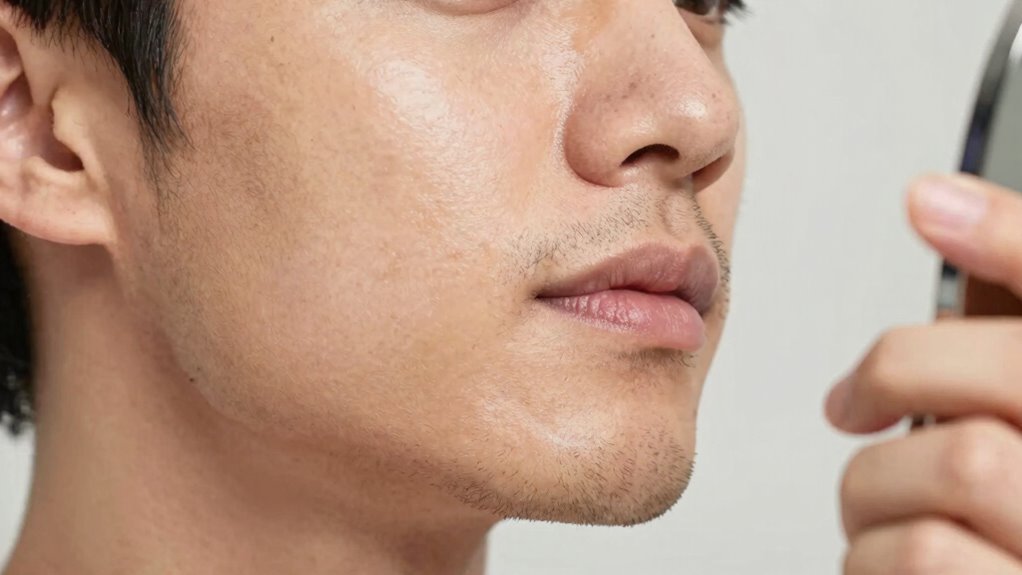
Have you ever noticed how touching your face or using the wrong hair removal methods can lead to more breakouts? Proper facial hair removal is key for acne care. Using electric razors and shaving downward helps prevent irritation, which can cause breakouts. It’s also vital to keep razors clean to avoid bacteria transfer. Avoid methods like waxing or threading, as they can irritate skin and worsen acne.
Additionally, keeping hair products off your face helps reduce oil buildup that clogs pores. For oily hair, washing more often and keeping hair away from the face minimizes oil transfer.
| Method | Benefit | Caution |
|---|---|---|
| Electric Razor | Less irritation, fewer nicks | Clean regularly to prevent bacteria |
| Shaving Direction | Reduces skin irritation | Shave with hair growth, not against |
| Avoid Waxing/Threading | Less skin trauma | Can cause irritation and breakouts |
| Keep Hair Off Face | Reduces oil transfer | Use gentle hair products |
Develop Long-Term Habits and Support Systems for Acne Management
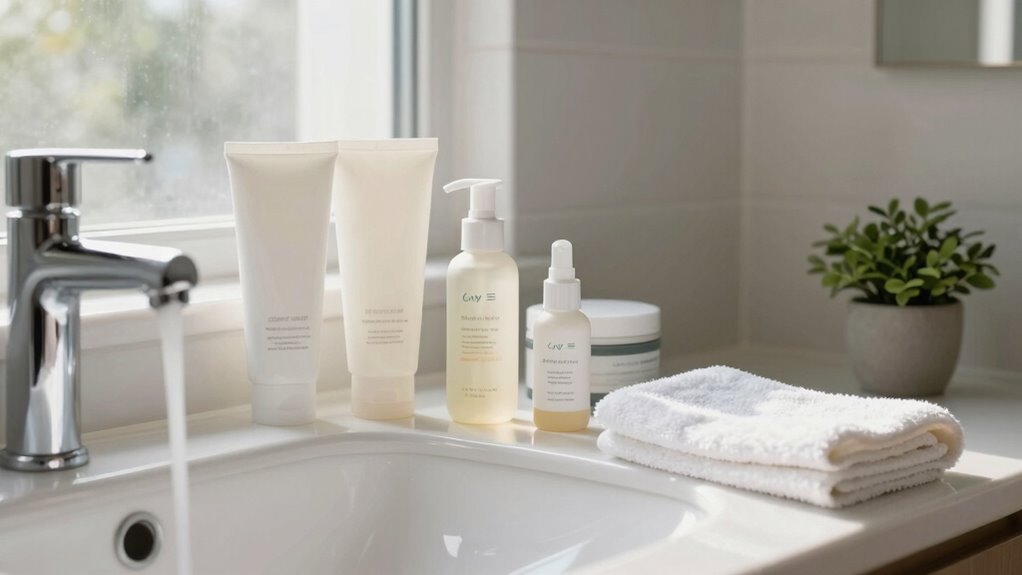
Developing consistent habits and building a support system can make a big difference in managing acne over the long term. Acne solutions often require patience, as improvements may take four to six weeks, making persistence essential. Applying acne medications to the entire acne-prone skin area helps prevent new breakouts and reduces the appearance of acne marks. Maintaining a gentle twice-daily washing routine avoids irritating sensitive skin. If initial treatments don’t show results, adding a different product targeting another acne cause can be helpful.
Support from friends, family, or a dermatologist can keep motivation high and ensure personalized advice. Keep a skincare journal to track progress and note reactions. Seek professional guidance for stubborn or cystic acne. Incorporate supportive lifestyle changes, like diet and stress management. Educate oneself about long-term acne solutions and skin care. Practice patience, as lasting results take time.