
As an Amazon Associate, this website earns from qualifying purchases.
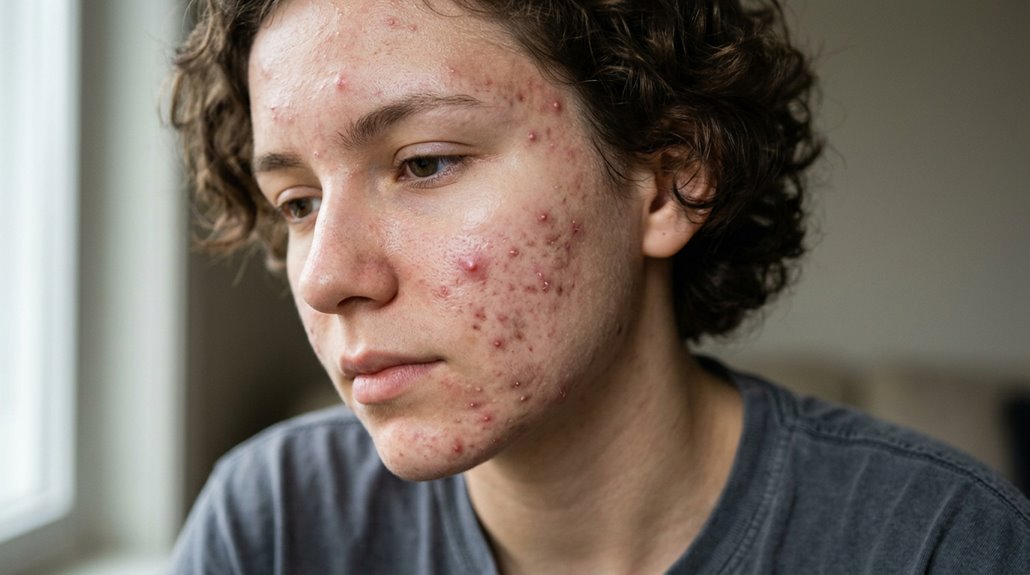
Facial breakouts happen when excess oil, dead skin, and bacteria clog pores, leading to inflammation and pimples. Hormonal shifts, stress, or using oily hair products can worsen this process. To help clear skin, keep your face clean, avoid touching it, and choose lightweight skincare. Regularly washing hair and changing pillowcases also reduce triggers. For persistent issues, a dermatologist can offer personalized solutions. Keep exploring—more helpful steps are just a moment away.
What Causes Acne and Why Does Your Face Break Out?
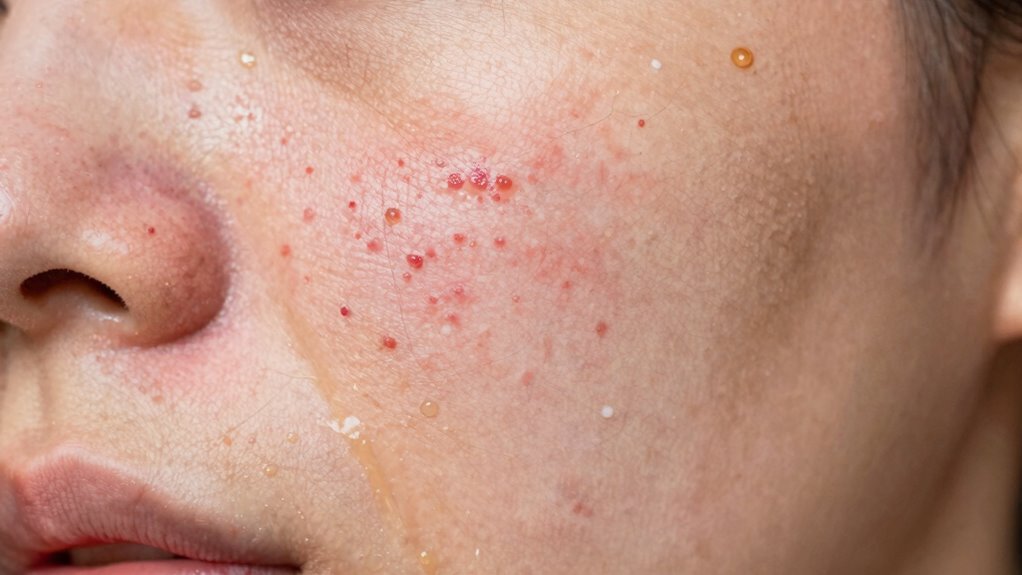
Have you ever wondered why your face seems to break out just when you least expect it? Acne causes are often linked to a combination of factors, including excess oil production, clogged pores, bacteria, and inflammation.
When your skin produces too much oil, it can mix with dead skin cells and block hair follicles, leading to facial breakouts. This blockage creates the perfect environment for bacteria to thrive, causing redness and swelling, which we call inflammation. Hormonal changes, such as those during puberty or stress, can also increase oil production, making breakouts more likely.
Family history plays a role too, raising the chances of experiencing acne. Understanding these causes helps explain why your face suddenly erupts with pimples, especially in areas rich in oil glands like the forehead, chin, and cheeks.
Understanding the Different Types of Acne and Their Features
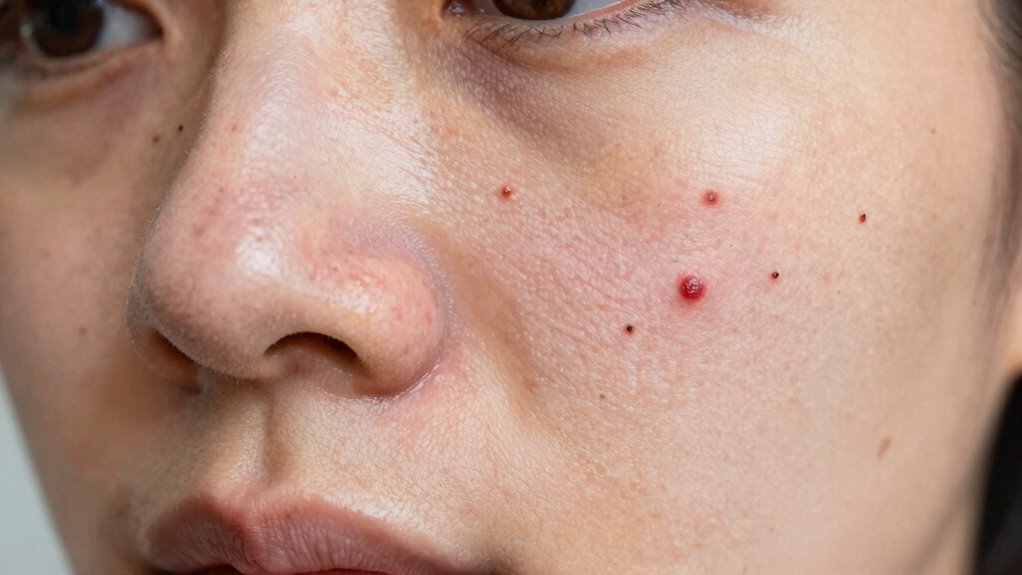
Understanding the different types of acne can feel like steering through a confusing map, but recognizing their features helps in choosing the right treatment. Acne types vary widely, from common whiteheads and blackheads to more severe forms.
Cystic acne, for example, causes deep, painful pimples filled with pus that can leave scars if untreated. Nodular acne involves large, tender bumps beneath the skin’s surface. Fungal acne, or pityrosporum folliculitis, is caused by yeast in hair follicles, making it itchy and inflamed. This is quite different from bacterial acne.
Hormonal acne, linked to oil overproduction, often affects women beyond adolescence. Knowing these differences is key since each type may require a different approach for effective treatment. Early consultation with a healthcare provider can help identify the specific acne type and get you on the right path to clearer skin.
How Hormones and Oil Production Contribute to Breakouts
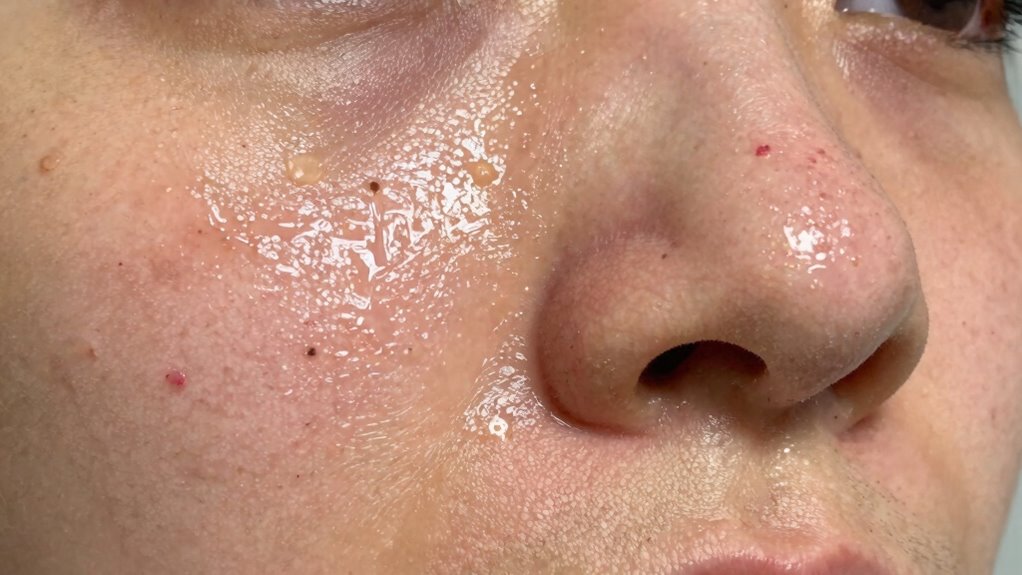
Ever wonder why some people seem to get breakouts just before their period or during stressful times? That’s often due to hormonal acne, which is closely linked to changes in hormone levels. When hormones called androgens increase, they stimulate the sebaceous glands in the skin to produce more sebum, the skin’s natural oil. This excess sebum creates a greasy environment that encourages bacteria growth and can clog pores, leading to pimples.
Additionally, hormonal fluctuations can cause irregular shedding of dead skin cells, making pore blockages worse. These combined effects make breakouts more likely, especially in teens and adults with sensitive hormonal responses. Treatments that balance hormones or reduce oil production, like certain birth control pills or anti-androgen medications, can help control these breakouts effectively.
The Role of Bacteria, Pores, and Dead Skin in Acne Formation
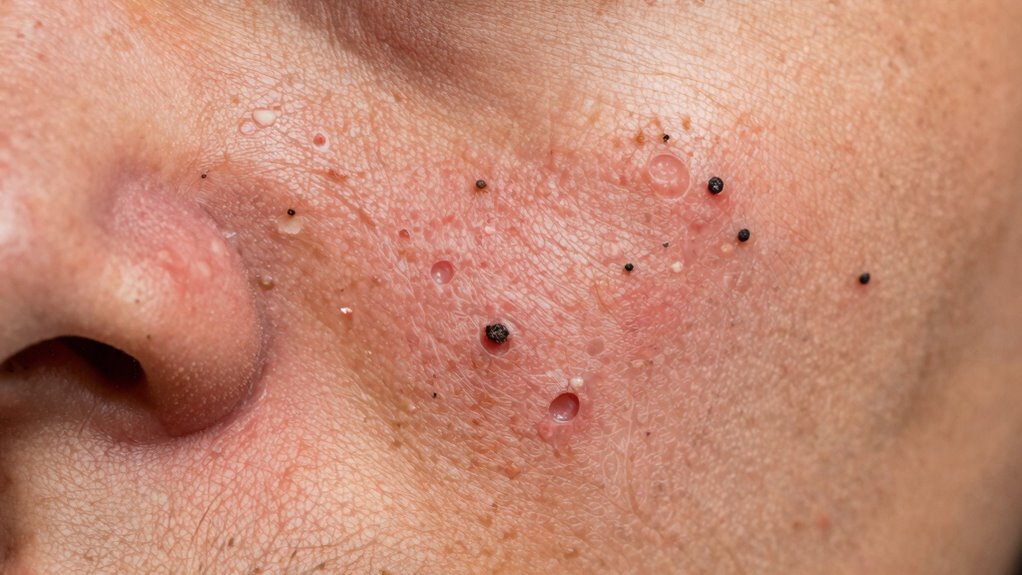
What actually happens on the skin when a pimple starts to form? It begins with clogged pores, where excess oil (sebum) and dead skin cells get trapped inside hair follicles. As these materials build up, they create an environment perfect for P. acnes bacteria, which naturally live on the skin. When bacteria thrive, they cause inflammation, leading to redness and swelling. Dead skin cells can also block pores, forming blackheads or whiteheads.
Clogged pores trap oil and debris, fueling bacteria growth. P. acnes bacteria cause inflammation and pus. Dead skin buildup leads to blackheads and whiteheads.
Understanding this process helps in choosing treatments that reduce bacteria, control oil, and promote skin shedding to prevent future breakouts.
Common External Triggers That Worsen Acne (e.g., Hair Products, Touching)
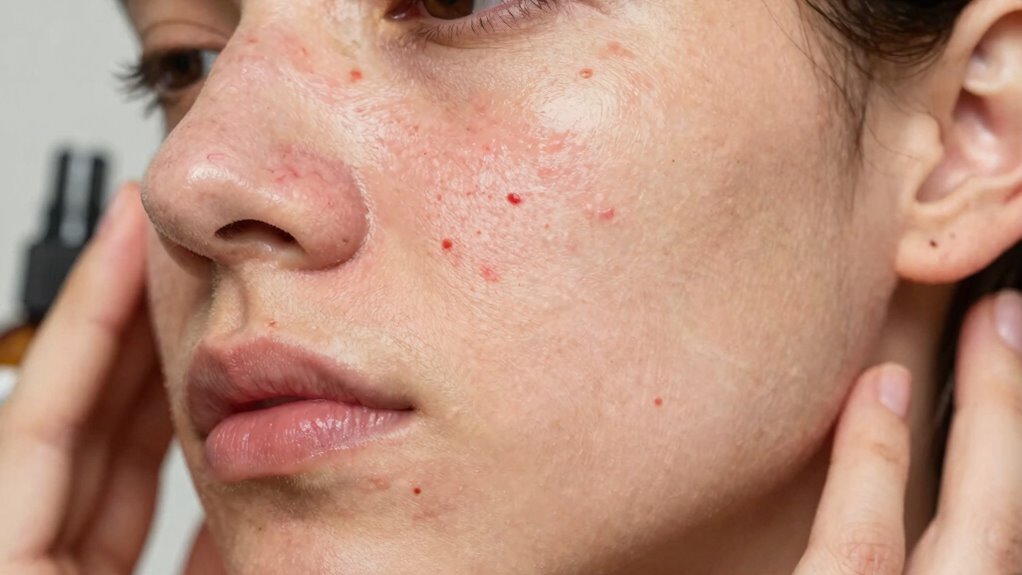
Have you ever noticed how touching your face or using certain hair products seems to make pimples worse? These are common external triggers that can worsen acne. Hair products like pomades and gels can clog pores and increase oiliness, leading to breakouts. Heavy forehead products and infrequent washing can cause oil buildup, while hair contact with the face transfers bacteria and dirt. Headbands and sweat traps also trap oil and bacteria, promoting skin irritation and acne in the forehead area.
To prevent this, keep hair clean and away from the face. Use lightweight, fragrance-free hair products to reduce skin irritation. Regularly washing hair and avoiding touching the face can significantly decrease acne triggers. Staying mindful of these external factors helps maintain clearer skin.
| Hair Products | External Factors |
|---|---|
| Can clog pores | Hair contact transfers bacteria |
| Increase oiliness | Headbands trap oil and bacteria |
| Cause skin irritation | Sweat buildup promotes breakouts |
Proven Skincare Habits to Prevent and Reduce Acne Breakouts
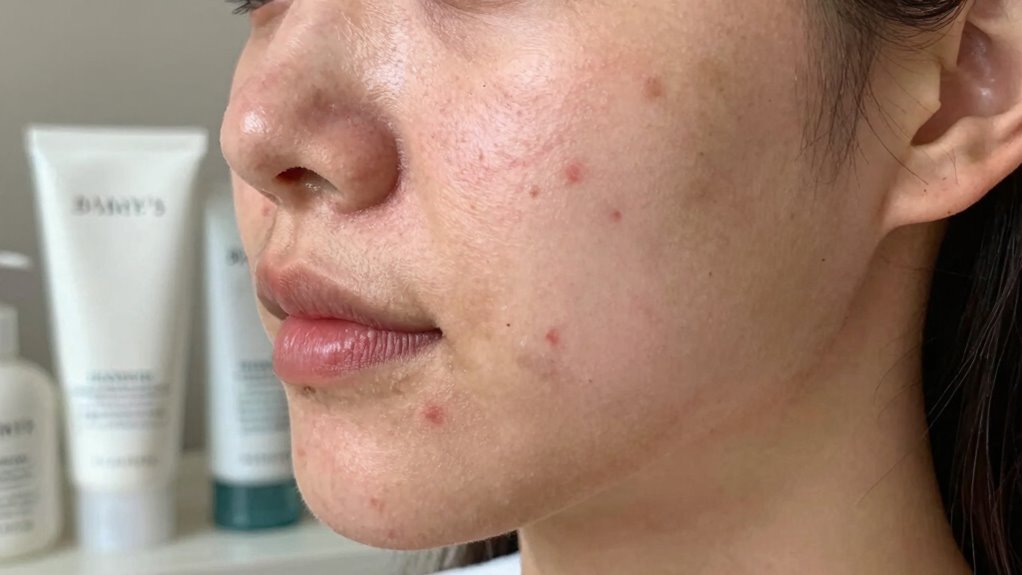
Many people wonder how to effectively prevent and reduce acne breakouts, and the good news is that simple skincare habits can make a big difference. Consistently washing the face twice daily with a gentle, oil-free cleanser helps remove excess oil and dirt that clog pores. Following up with a light moisturizer containing glycerin or hyaluronic acid keeps skin hydrated without causing breakouts. Using non-comedogenic skincare and makeup products prevents pore clogging and minimizes irritation.
Some essential skincare habits include avoiding touching or popping pimples to prevent spreading bacteria. Changing sheets and pillowcases at least weekly helps reduce surface contamination. Showering after sweating and considering benzoyl peroxide washes for body acne can also be beneficial.
Effective Treatments and Active Ingredients for Clearer Skin
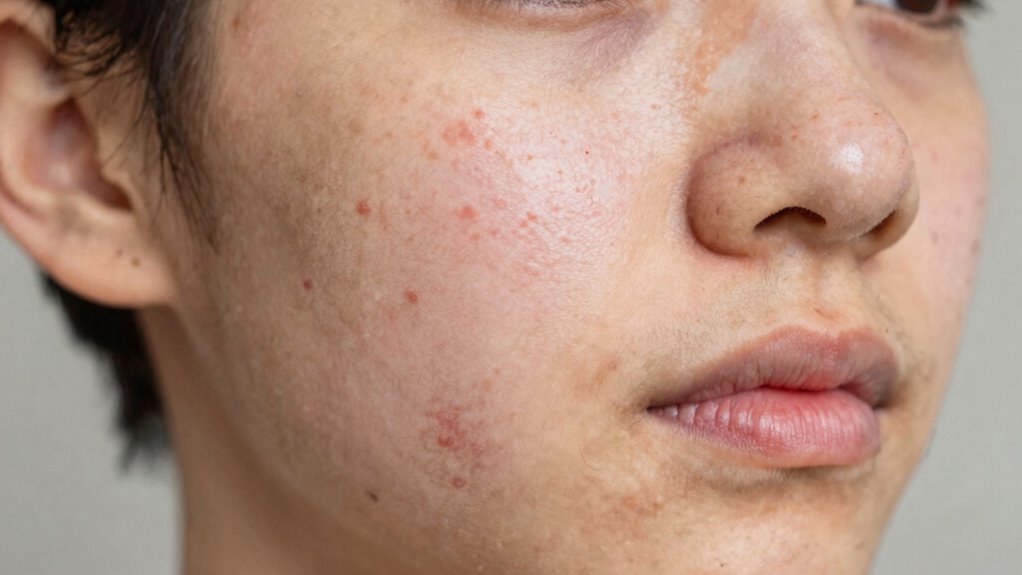
When it comes to tackling acne more effectively, certain treatments and active ingredients can truly help clear up skin. Retinoids, like adapalene and tretinoin, work by unclogging pores and reducing oiliness, making them especially useful for moderate acne. They’re usually started three times a week and increased gradually as skin adjusts.
Benzoyl peroxide targets surface bacteria that cause breakouts and is often combined with other treatments for better results; it comes in gels or washes. Salicylic acid helps prevent pores from clogging and is found in cleansers or leave-on products, although some people might experience irritation. Using these ingredients properly—often under guidance—can make a noticeable difference in your journey toward clearer, healthier skin.
When and Why to Consult a Dermatologist for Persistent Acne
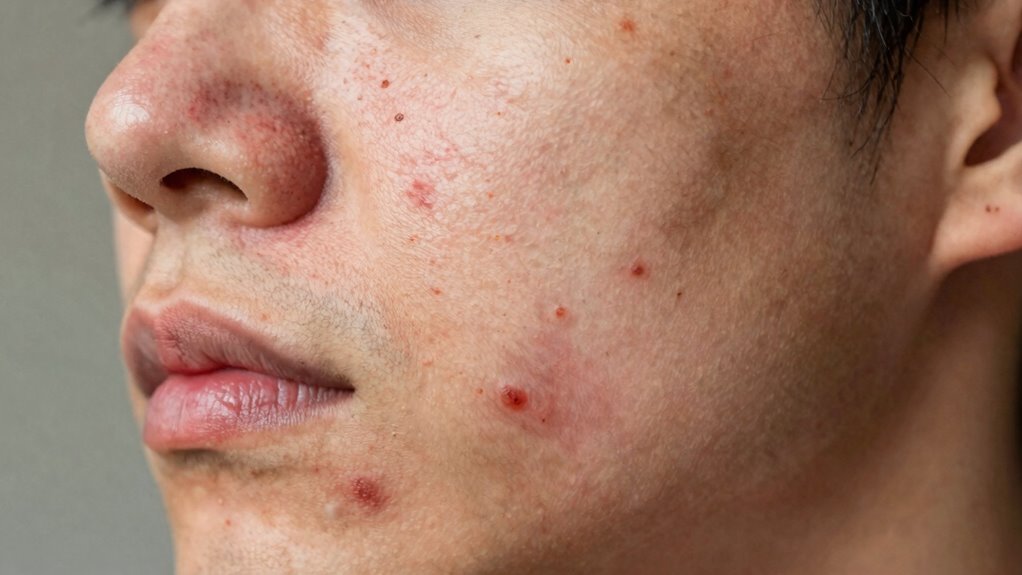
Persistent acne can be frustrating, especially when over-the-counter treatments don’t seem to make a difference. When acne persists beyond 4 to 6 weeks or involves deep blemishes like cysts and nodules, a dermatologist consultation becomes important. These skin experts can create personalized treatment options tailored to individual needs, offering solutions that go beyond basic remedies.
Consulting a dermatologist early can prevent acne from worsening and reduce the risk of scarring, which is a concern many want to avoid. If acne impacts personal comfort, self-esteem, or continues despite good hygiene, seeking professional help is wise.
Persistent acne that doesn’t clear with OTC products, deep or painful blemishes like cysts or nodules, and acne affecting mood, confidence, or daily life are clear signs to seek a dermatologist’s advice.
Lifestyle Changes That Support Acne Prevention (Diet, Hygiene, Stress)

Ever wonder how daily habits can influence acne? Small changes in routine can make a big difference. An effective acne diet involves reducing sugars and refined carbs while eating more omega-3s and greens, which support healthy skin. While diet alone isn’t a direct cause, tracking foods can help identify triggers.
Good hygiene is essential. Washing the face twice daily with a gentle cleanser and showering after sweating helps remove dirt and bacteria. Changing pillowcases weekly prevents dirt buildup that can clog pores.
Stress management also plays a role. Managing stress through exercise or relaxation techniques can reduce flare-ups. When combined, these habits create a supportive environment for clearer skin. Simple steps like these help maintain skin health and complement other acne treatments, making a real difference over time.
How to Set Realistic Expectations and Support Skin Healing Over Time
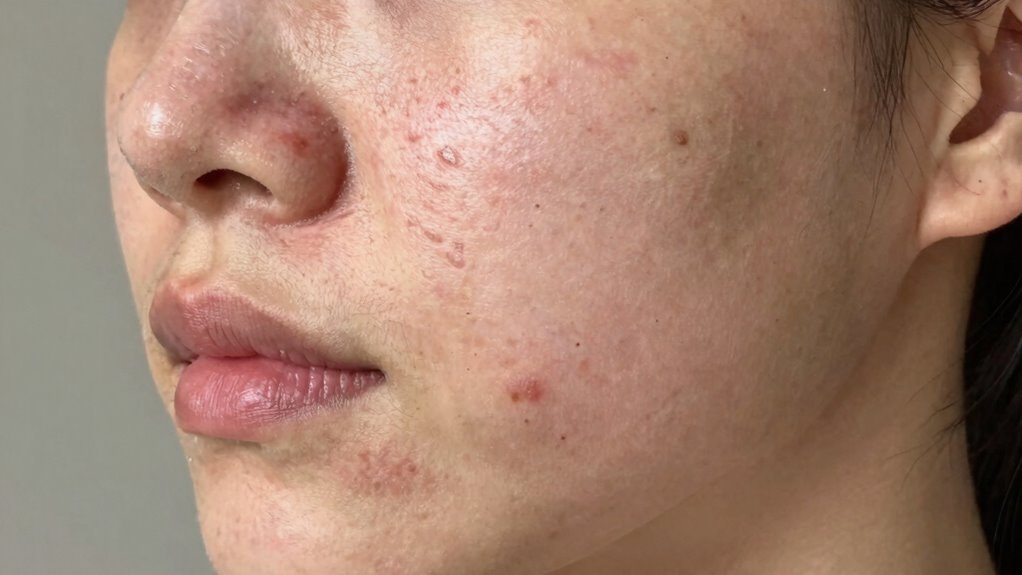
Have you ever felt frustrated because your acne isn’t clearing up as quickly as you hoped? It’s important to understand that the acne treatment timeline varies for everyone, and patience is key. Usually, some improvement appears within 4–6 weeks, but full skin healing progression can take two to three months or longer.
To support realistic expectations, consider these tips:
- Start with 1–2 products and give them time to work before adding more.
- Follow directions carefully; skipping steps can delay progress.
- Remember, consistency is essential for visible results.
If no improvement occurs after several weeks, consulting a dermatologist can help tailor a plan. Understanding that skin healing takes time helps prevent frustration and encourages perseverance on your journey to clearer skin.