
As an Amazon Associate, this website earns from qualifying purchases.
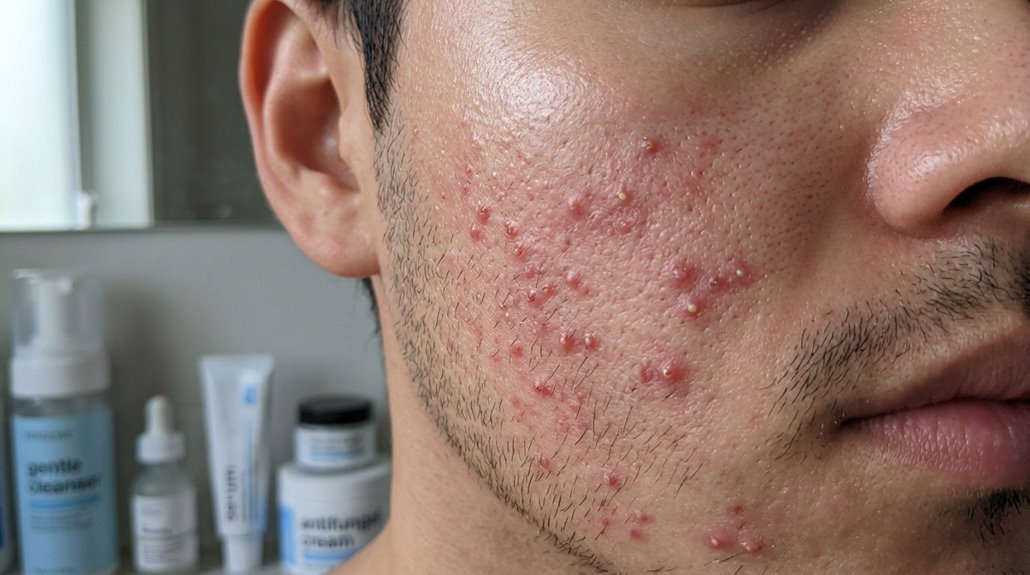
Fungal acne is caused by an overgrowth of Malassezia yeast, not bacteria, and often appears as tiny, itchy bumps in areas prone to sweating, like the back and shoulders. To clear it, use antifungal washes such as ketoconazole or zinc pyrithione, keep skin dry, and wear breathable clothing. Avoid heavy, oil-based skincare or cosmetics that trap moisture. For persistent cases, a dermatologist may recommend oral antifungals. If you’re curious about more tips on controlling and preventing this condition, there’s much more to learn.
Understanding Fungal Acne: Causes and Key Differences From Regular Acne
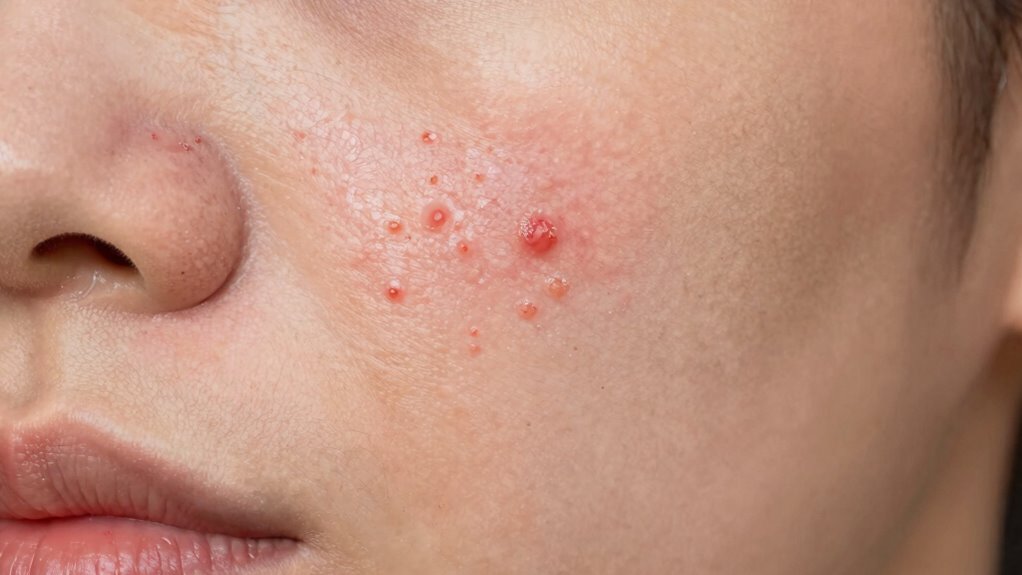
Ever wonder what makes fungal acne different from the usual breakouts on the skin? The answer lies in its cause. Fungal acne, also called Malassezia folliculitis, isn’t caused by bacteria like typical acne. Instead, it’s triggered by an overgrowth of Malassezia yeast in hair follicles.
These tiny yeast cells thrive in hot, humid environments, especially when skin is sweaty or covered by tight synthetic clothing. Unlike traditional acne, which shows as varied lesions, fungal acne presents as small, uniform bumps that often itch. Differentiation is key—dermatologists look at the appearance of the bumps and may examine skin scrapings or do a biopsy, revealing yeast presence.
Recognizing these differences helps identify the true cause and guides effective treatment.
Recognizing the Symptoms of Fungal Acne on Your Skin
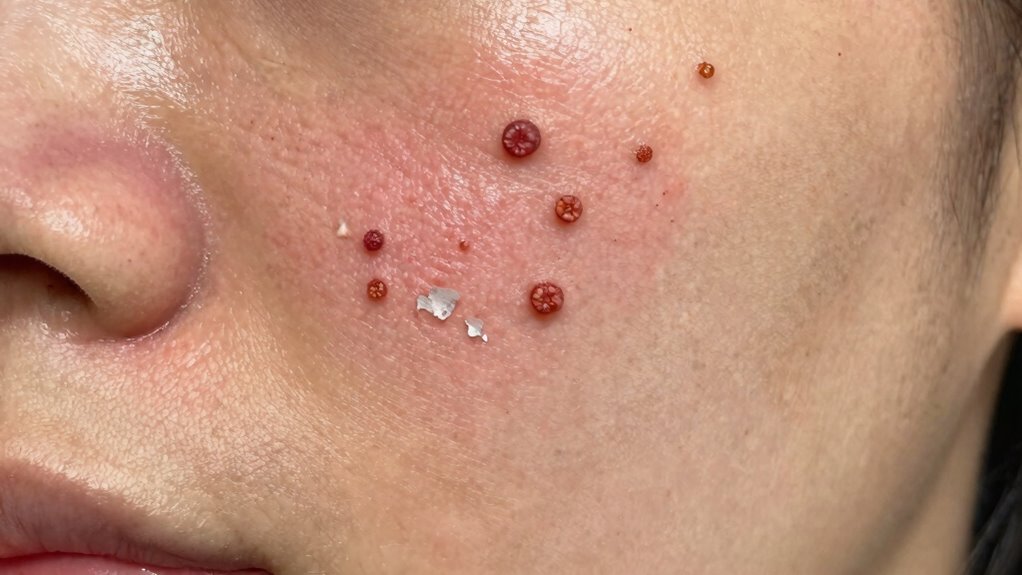
How can someone tell if they have fungal acne? The key clues are the fungal acne symptoms: tiny, uniform bumps, usually 1–2 mm, that cluster tightly and often itch intensely. These monomorphic lesions tend to appear on sweat-prone areas like the back, chest, shoulders, or sometimes the forehead or hairline. Unlike typical acne, they look similar in size and shape, showing little variation.
Malassezia overgrowth causes these bumps, not bacteria or excess oil, so traditional treatments might not work. Recognizing these signs early can prevent frustration and help target the right treatment.
| Fungal Acne Symptoms | Description |
|---|---|
| Tiny, uniform bumps | Consistent size, often itchy |
| Clustering | Multiple lesions grouped tightly |
| Location | Sweat-prone areas |
| Appearance | Monomorphic lesions |
How to Confirm Fungal Acne: Diagnostic Tests and Professional Evaluation
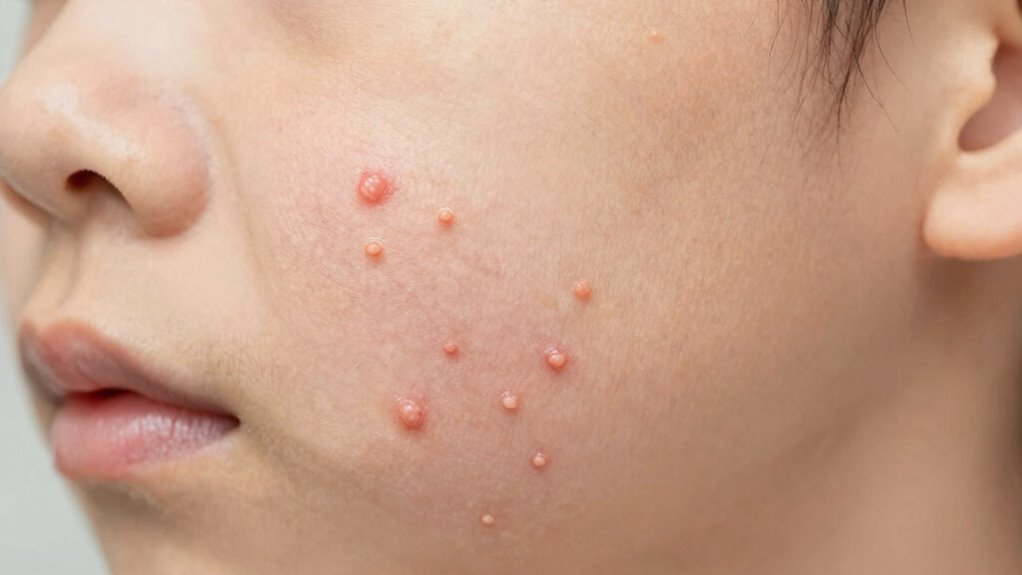
To confidently identify fungal acne, a professional evaluation is often necessary, as its symptoms can look similar to regular acne but require different treatments. Fungal acne is caused by Malassezia yeast overgrowth in hair follicles. A clinician evaluation, usually by a dermatologist, is essential to distinguish it from bacterial acne.
During this assessment, the dermatologist examines the skin’s appearance—uniform, small bumps that often itch and cluster in sweat-prone areas like the chest or back. To confirm Malassezia’s role, diagnostic tests such as skin scraping and microscopy, or KOH prep, may be performed. These tests aim to find yeast within hair follicles and signs of inflammation.
These diagnostic tests, combined with the clinician’s judgment, help ensure an accurate diagnosis before starting targeted treatment.
Essential Steps to Treat Fungal Acne Effectively
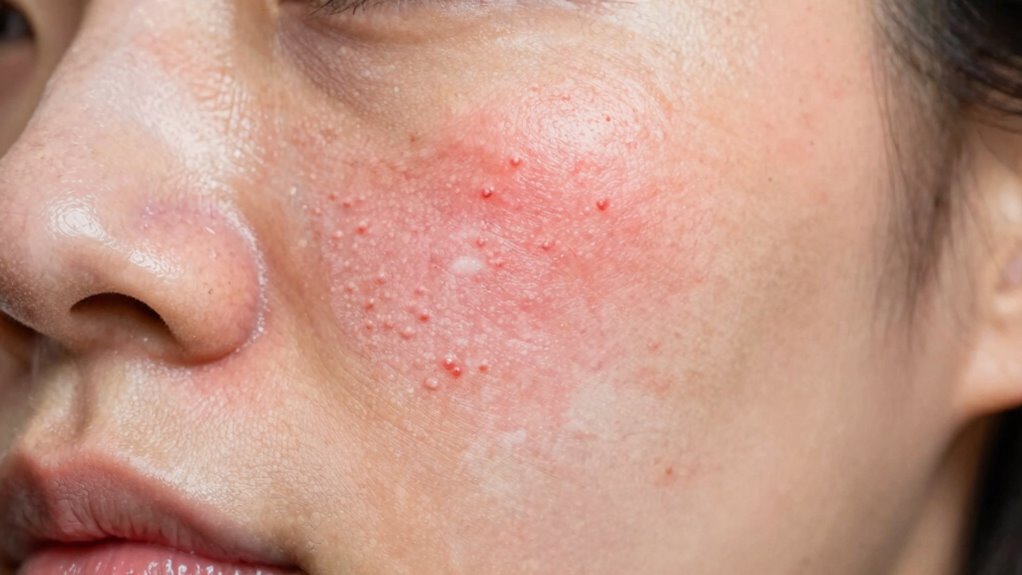
Treating fungal acne effectively involves a clear, step-by-step approach that targets the root cause, Malassezia yeast overgrowth.
A good fungal acne treatment starts with antifungal washes containing ingredients like ketoconazole, selenium sulfide, or zinc pyrithione. These washes help reduce yeast on the skin’s surface.
Next, applying topical antifungals such as clotrimazole, miconazole, or ketoconazole consistently is essential for clearing up Malassezia folliculitis.
Keeping skin dry and cool by showering after sweating and wearing breathable fabrics also makes a difference.
Using lightweight, non-comedogenic skincare prevents further irritation.
Lastly, gentle exfoliation with salicylic or lactic acid can help, but it’s important not to overdo it.
With patience and routine, visible improvement often occurs within two to six weeks.
Using Topical Antifungal Products: What Works Best?
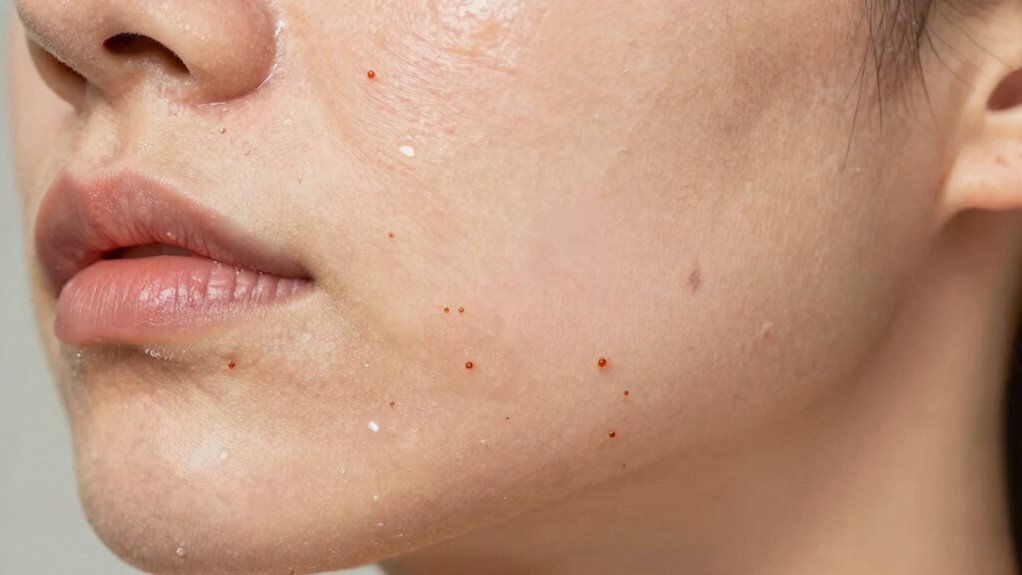
Choosing the right topical antifungal product can make a noticeable difference in clearing up fungal acne. For effective fungal acne treatment, topical antifungals like ketoconazole, clotrimazole, and miconazole are popular choices. These help reduce the Malassezia yeast that causes the condition.
Antifungal washes containing ingredients like ketoconazole, selenium sulfide, or zinc pyrithione are also helpful, especially when used regularly. They work by suppressing yeast growth and can be used as part of a daily routine. Consistency is key; improvements often appear within two to six weeks.
For mild cases, over-the-counter antifungal shampoos or washes can be especially effective. Remember, combining these products with dry, cool skin care and avoiding oily, clogged products boosts the chances of success.
When and Why to Consider Oral Antifungal Medication
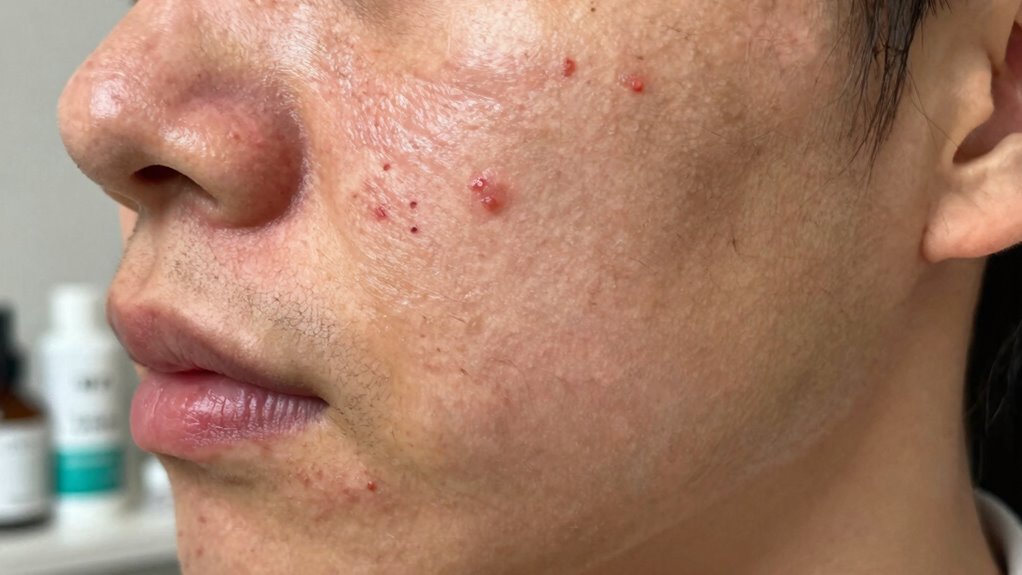
Ever wonder when it’s time to contemplate stronger options for fungal acne? Typically, oral antifungals like fluconazole and itraconazole are recommended for persistent or widespread cases when topical treatments just aren’t enough. These medications are usually considered after topicals fail or in cases with extensive skin involvement. Since ketoconazole is linked to potential side effects, doctors prefer alternatives such as fluconazole or itraconazole.
Treatment often lasts several weeks to months, depending on severity, and must be closely monitored by a dermatologist. The table below paints a clearer picture of when oral antifungals might be necessary:
| Situation | Medication Examples | Duration |
|---|---|---|
| Widespread fungal acne | Fluconazole, Itraconazole | Several weeks/months |
| Resistant cases | Fluconazole, Itraconazole | Varies, under supervision |
| Side effects concern | Alternatives recommended | As prescribed |
| Inadequate response | Medical review needed | Ongoing |
Lifestyle Changes to Support Fungal Acne Treatment and Prevention
Maintaining healthy habits can play a significant role in supporting treatment and preventing the recurrence of fungal acne. Stress management is essential because, although stress doesn’t directly cause fungal acne, it can increase skin sensitivity and trigger flare-ups by affecting immune balance. Practices like deep breathing, gentle yoga, and getting enough sleep can help keep skin balanced.
Additionally, avoiding overuse of antibiotics and steroid creams is important, as they can disrupt the natural bacteria and yeast on the skin, making fungal acne worse. Good hygiene, such as showering after sweating and wearing breathable, non-tight clothing, also helps prevent fungal growth. Using antifungal washes once or twice weekly and consulting a dermatologist if symptoms persist are key steps in maintaining skin health and preventing flare-ups.
How to Prevent Fungal Acne From Returning in the Future
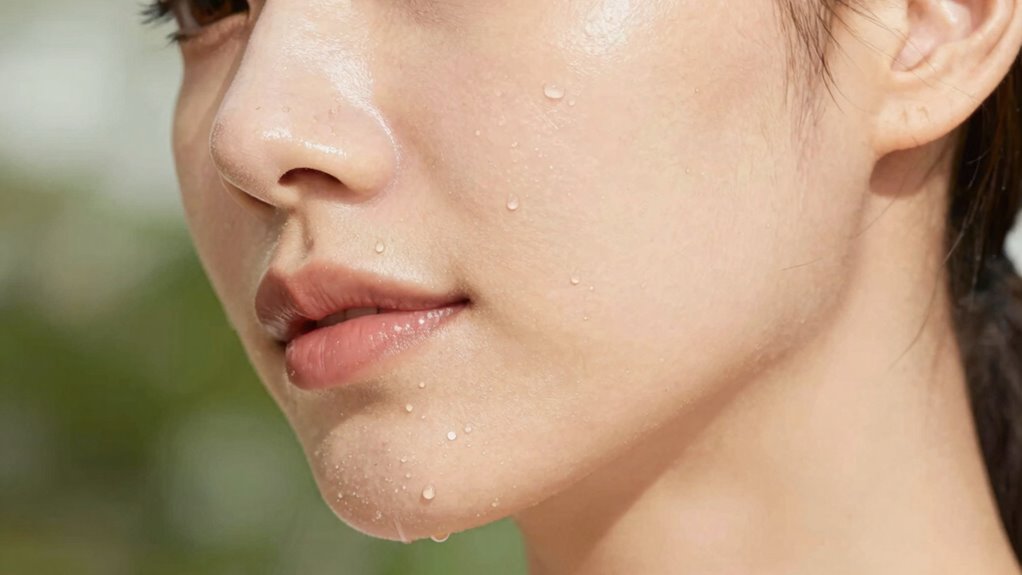
Have you ever wondered why fungal acne keeps coming back despite treatment? It often happens because the root causes aren’t fully addressed. To prevent future flare-ups, consistent moisture control is key—wear breathable, loose clothing, especially after sweating, and avoid trapping moisture on the skin.
Regular use of antifungal treatments, like medicated shampoos or topical antifungals, helps keep yeast levels low. Avoid oil-based skincare products that can feed the fungus, and replace damp towels or washcloths weekly to prevent reintroducing yeast.
Lifestyle prevention also involves being mindful of environmental factors and personal habits. For example, maintaining good hygiene and managing sweat can make a big difference in long-term fungal acne control. Staying proactive helps ensure the problem doesn’t return unnoticed.
Tips for Managing Fungal Acne During Hot and Humid Seasons
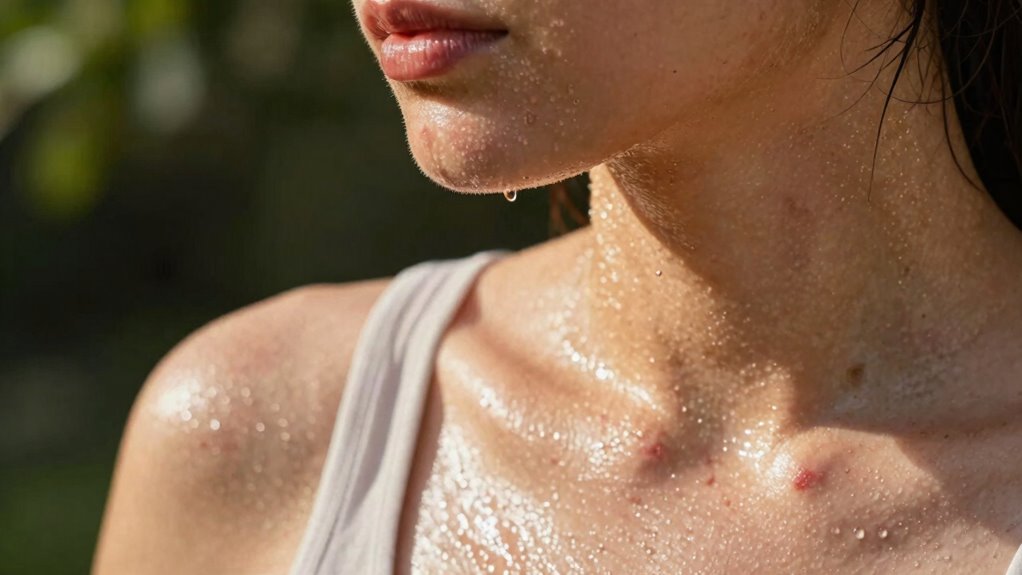
Hot and humid seasons can turn the battle against fungal acne into a real challenge. Moisture from sweat and warm temperatures create ideal conditions for Malassezia yeast to grow, especially on the chest, back, and shoulders. To manage this, it’s helpful to practice humid climate management by showering promptly after sweating and wearing breathable, loose-fitting fabrics made from natural fibers.
Regular use of antifungal treatments like ketoconazole or zinc pyrithione washings 1–2 times weekly can keep yeast levels in check. Additionally, avoid heavy, oil-based skincare or cosmetics that trap moisture. Consider incorporating weekly antifungal shampoo applications during hotter months.
Below is a quick guide to help maintain fungal acne prevention during humid seasons:
| Tip | Explanation |
|---|---|
| Shower promptly after sweating | Removes excess moisture and reduces yeast growth |
| Wear breathable fabrics | Keeps skin dry and discourages fungal growth |
| Use antifungal treatments | Controls skin yeast levels effectively |
When to Consult a Dermatologist for Persistent or Severe Fungal Acne
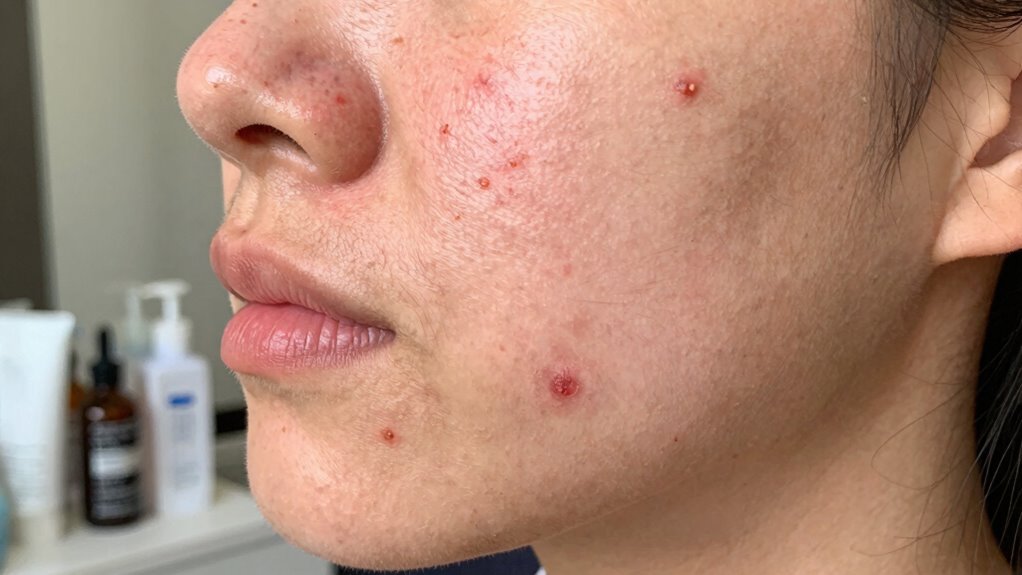
Wondering when it’s time to see a dermatologist for fungal acne?
If you’ve been trying different fungal acne treatment options without success after several weeks, a dermatologist consultation becomes essential. Persistent fungal infection often signals that stronger treatments or medications are needed.
You should also seek help if breakouts come back frequently or worsen, or if you notice widespread lesions, intense itching, fever, or signs of secondary infection. These symptoms suggest that professional evaluation is necessary to avoid complications.
A dermatologist can accurately distinguish fungal acne from bacterial acne and other skin conditions through examination, skin scraping, or biopsy. Early intervention is key; delaying expert care might prolong discomfort and lead to recurring issues. Remember, professional guidance ensures effective treatment and faster relief.