
As an Amazon Associate, this website earns from qualifying purchases.
Acne forms when excess oil, dead skin, and bacteria clog pores, causing pimples and inflammation. Causes include hormonal changes, stress, and certain products, while treatments like topical retinoids, benzoyl peroxide, and blue light therapy help clear skin over time. For fast relief, ice reduces swelling, and spot treatments can tackle emerging pimples. Prevention involves gentle cleansing and non-comedogenic products. Keep exploring to discover more tips that can help keep your skin clear and blemish-free.
What Causes Acne and How Do Pimples Develop?
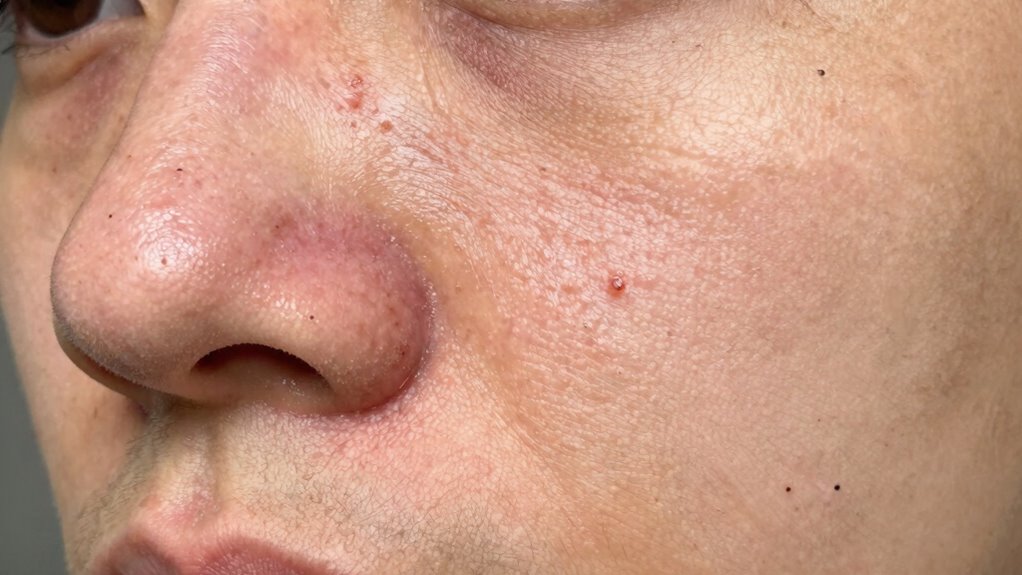
Ever wondered what really causes those pesky pimples to pop up? It all starts with sebum production. Sebaceous glands produce oil to keep skin moisturized, but sometimes they go into overdrive. When too much sebum is produced, it can clog pores—tiny openings on the skin’s surface. These clogged pores create a perfect environment for bacteria to thrive.
As bacteria multiply, the body reacts with inflammation, causing redness, swelling, and that familiar bump. Hormonal changes, stress, and even weather can ramp up sebum production, making acne more likely. Local factors like humidity and certain skincare products can also contribute.
Essentially, when excess oil clogs pores and inflammation kicks in, pimples have a perfect storm to develop. This process can turn a small skin issue into a more noticeable problem.
Recognizing Different Types of Pimples and Their Signs
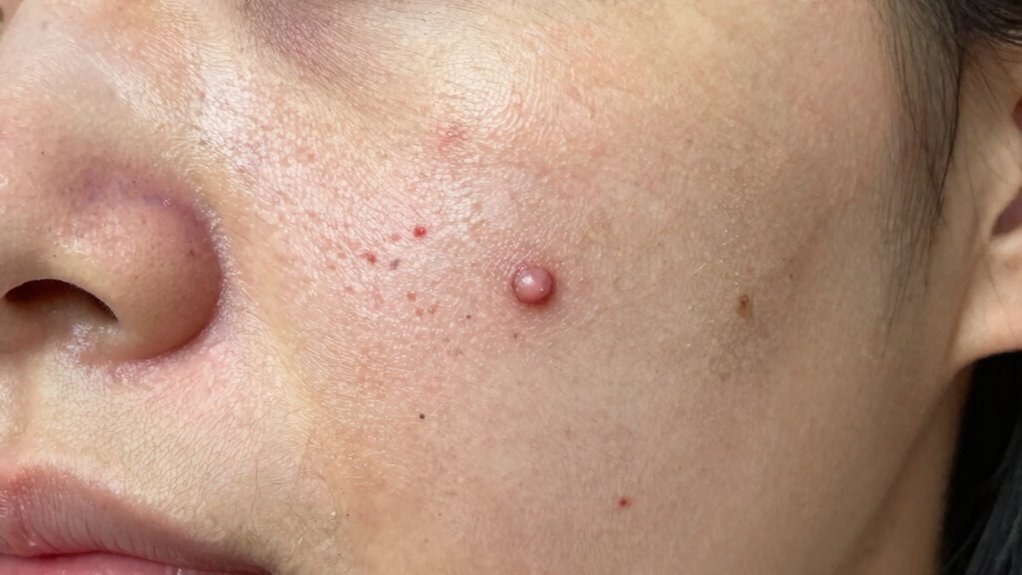
Understanding the different types of pimples is key to recognizing what’s happening on the skin and deciding how to treat it. Pimples, part of various acne types, come in shapes, sizes, and signs of acne that can give clues about their cause. For example, whiteheads are small, white bumps caused by clogged pores, while pustules are red, inflamed pimples with a white or yellow center.
Nodules are larger, painful bumps under the skin that last longer. The signs of acne vary: some pimples heal quickly, while others linger, especially deep cysts. Recognizing these signs helps determine whether a pimple is a minor spot or part of a bigger skin issue.
Knowing your pimples’ types can guide better skincare decisions and prevent unnecessary picking or irritation.
Effective Treatments for Clearing Acne Quickly and Long-Term
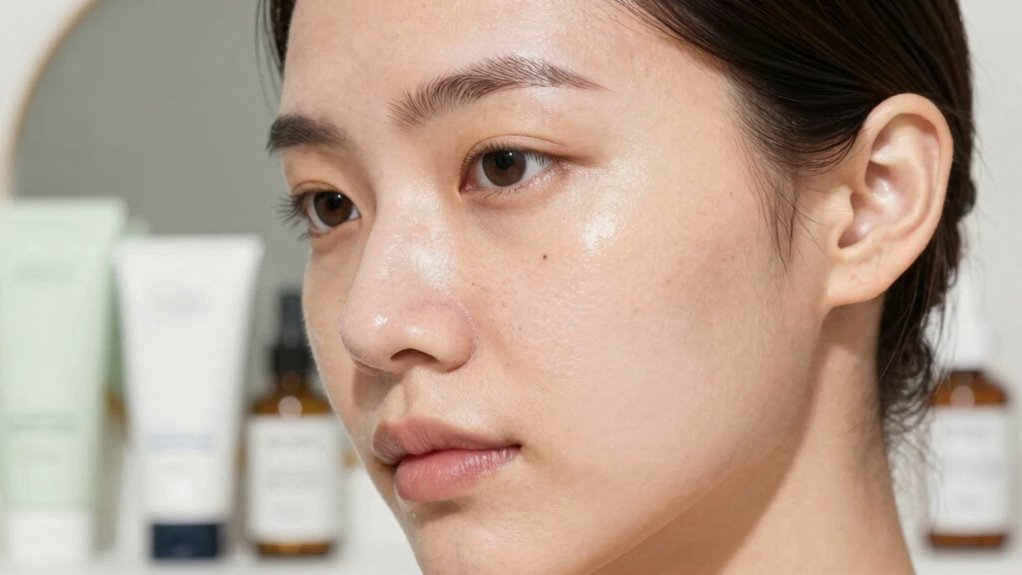
Have you ever wondered how some people clear their acne quickly while others struggle for months? Effective treatments play a big role. Topical retinoids like tretinoin and adapalene help unclog pores and reduce inflammation over time. Benzoyl peroxide is a powerhouse that kills bacteria and minimizes oil production, which is crucial for preventing breakouts. For faster results, blue light therapy can be used in clinics; it targets bacteria deep within the skin and promotes healing.
A personalized routine combining nightly retinoids or salicylic acid with daytime benzoyl peroxide, along with non-comedogenic moisturizer and sunscreen, can keep acne under control long-term. These treatments, when used consistently, help clear skin faster and prevent future breakouts, giving people confidence in their skin’s health and appearance.
Fast Fixes and Home Remedies to Reduce Pimples Instantly
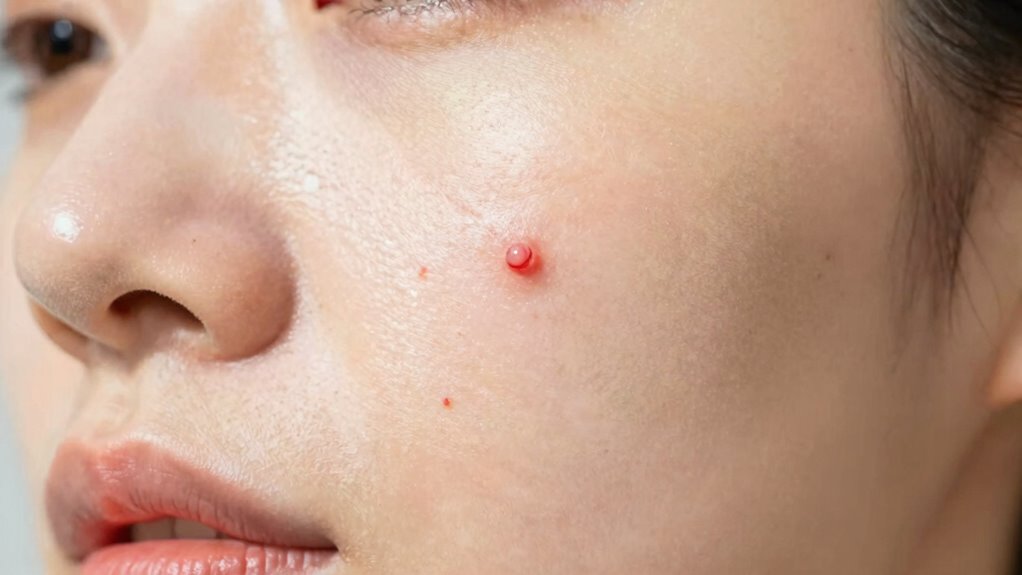
When a breakout happens and results in a visible pimple, quick action can make a noticeable difference. Ice therapy is a simple yet effective way to reduce swelling and redness. Applying ice to the spot for 3–4 minutes constricts blood vessels, helping the pimple look less inflamed.
After icing, using an acne spot treatment with ingredients like benzoyl peroxide or salicylic acid can speed up inflammation reduction. Apply these after icing for the best results. For white-head pimples, a hydrocolloid patch can absorb excess fluid and protect the area from bacteria, often flattening the spot within an hour.
Combining these methods—ice, spot treatment, and patches—can provide an instant, manageable fix, helping skin look clearer until a more thorough treatment can be applied.
How to Prevent Acne and Keep Your Skin Clear Over Time
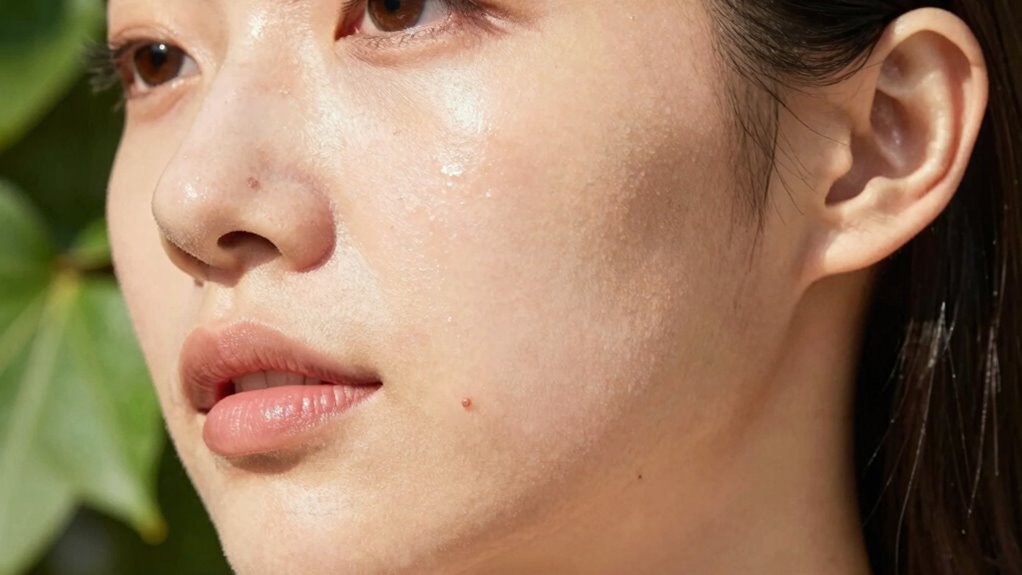
Ever wonder how some people manage to keep their skin clear despite busy schedules and everyday stress? It mostly comes down to good habits and consistent acne prevention. Regularly using non-comedogenic skincare products, those labeled as “won’t clog pores,” can help keep skin clear. Daily cleansing with a gentle, non-perfumed cleanser removes excess oil, dirt, and bacteria that cause pimples.
It’s also smart to keep makeup light and water-based, removing it each night, and sleeping with hair away from the face to avoid pore clogging.
Washing items that touch the face, like phones and pillowcases, regularly minimizes surface contamination. These simple steps, combined with managing oil production and inflammation, create a solid foundation for long-term clear skin and help prevent future breakouts.
When to Seek Professional Help for Persistent or Severe Acne
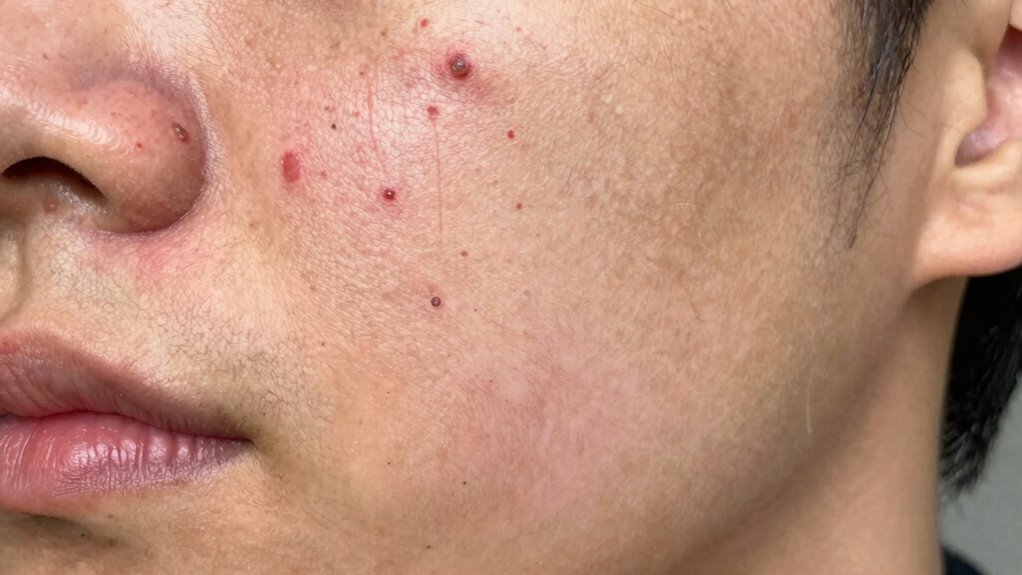
Determining when professional help becomes necessary for acne can feel confusing, especially when over-the-counter remedies don’t seem to work. If acne is severe, persistent, or causing pain, it’s time to consult a dermatologist. This is especially true for large, deep cystic lesions that won’t improve with basic care. A professional can offer rapid solutions like cortisone injections or professional extractions to reduce inflammation quickly.
Consider seeking help if:
- Over-the-counter treatments haven’t worked after several weeks
- Acne is becoming more severe or painful
- You notice large, cystic lesions
- Scarring or skin damage appears
- You want personalized, long-term management plans
Early professional help can prevent lasting scars and boost self-esteem, making it worth the visit.
Debunking Common Myths About Acne and Pimples
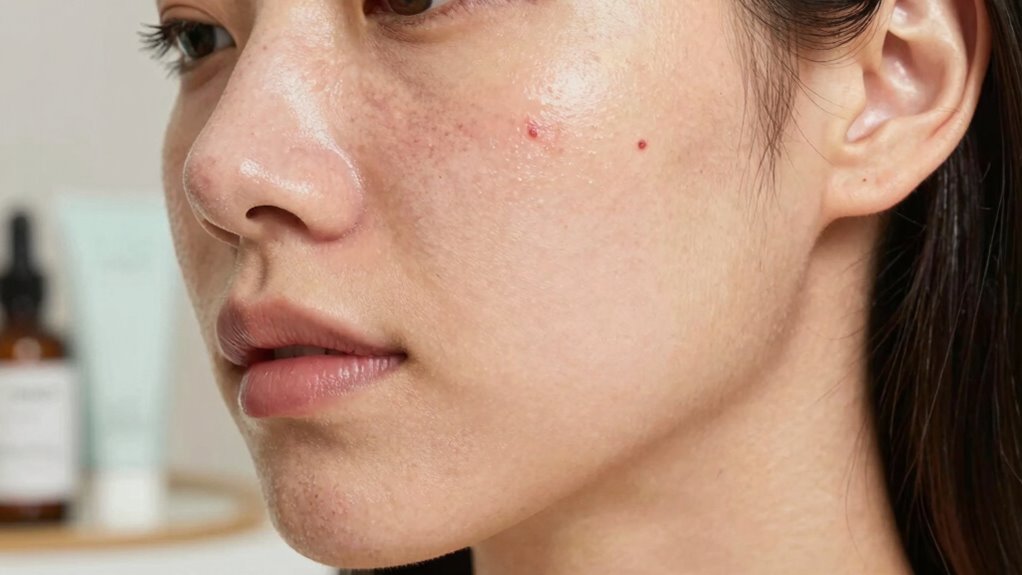
Many common beliefs about how to handle acne and pimples are actually myths—ideas that seem helpful but aren’t backed by science. For example, some think that applying toothpaste overnight will dry out pimples; however, this can irritate the skin and slow healing. Others believe sun exposure or tanning can cure acne, but in reality, it can make long-term skin problems worse.
Another myth is that letting pimples “breathe” without treatment helps them heal. In truth, spot treatment with non-prescription active ingredients is usually needed for effective results. Popping pimples might seem like a quick fix, but it increases scarring risk and delays healing. Ultimately, expensive skincare products aren’t necessarily better—what matters most are proven ingredients in effective spot treatments.