
As an Amazon Associate, this website earns from qualifying purchases.
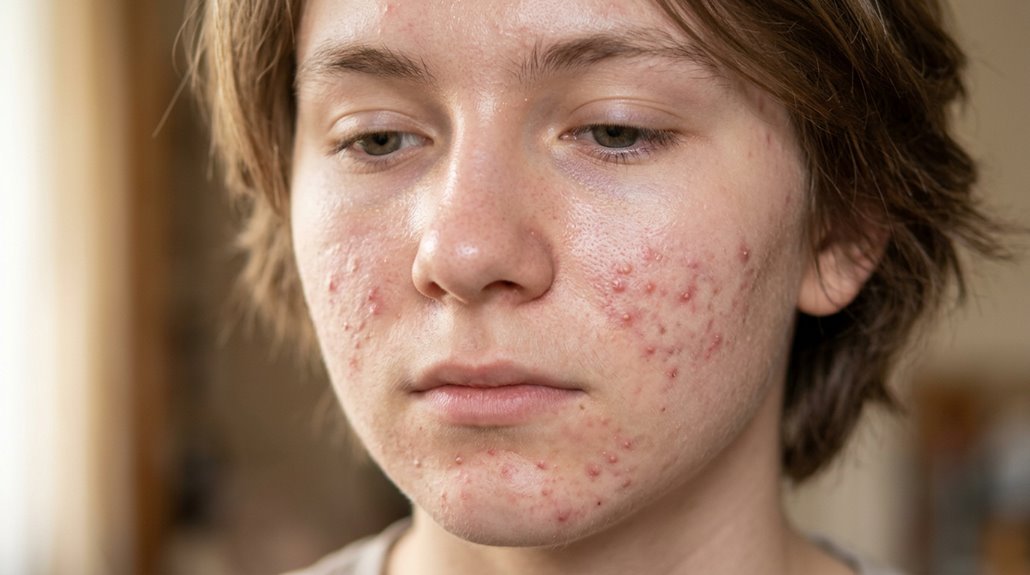
Pimples on the face are small, raised bumps that can appear for various reasons, like clogged pores from excess oil, dead skin, or hormones. While pimples often show up during puberty or due to triggers like stress, skincare products, or certain medications, not every bump means full-blown acne. Some are just temporary irritation, while others could be more serious. Proper gentle cleansing, avoiding squeezing, and using non-comedogenic products help. If they persist or worsen, professional advice can make a difference—keep going to discover more helpful tips.
What Are Pimples and How Do They Differ From Acne?
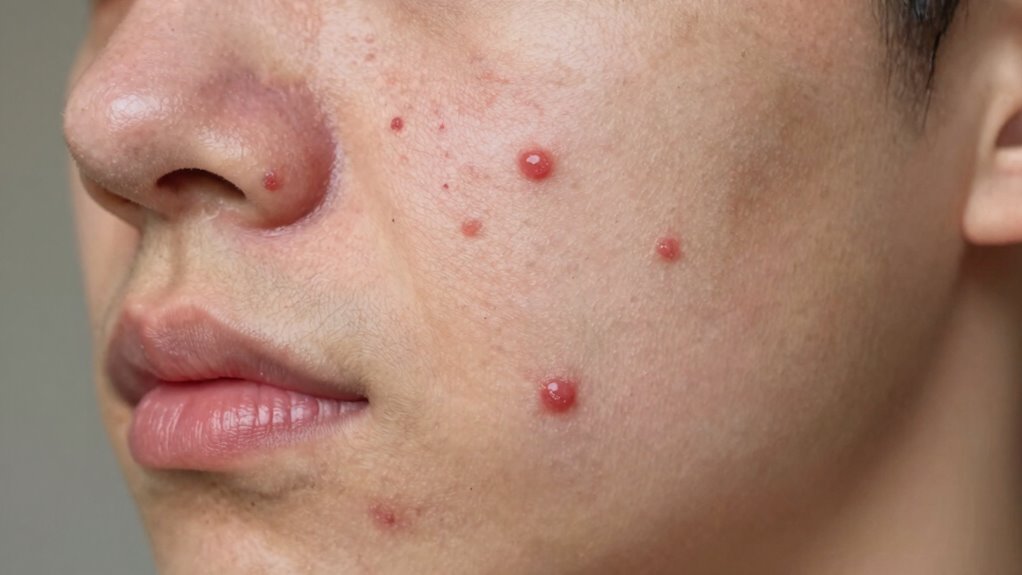
Pimples are small, raised bumps that often pop up on the skin and can be a frustrating sight, especially when they seem to appear out of nowhere. These skin lesions are usually localized and may be red, swollen, or filled with pus. While pimples are common, they are just one type of skin lesion, and they may occur without the full range of acne symptoms.
Acne, on the other hand, is a broader skin condition involving multiple lesions, like whiteheads, blackheads, and cysts. It is caused by clogged follicles, inflammation, and bacteria. Pimples can be part of acne, but not every pimple indicates the presence of the entire condition. Understanding this difference helps in choosing the right treatment and managing skin concerns effectively.
Why Do Pimples Appear on Your Face and Other Areas?
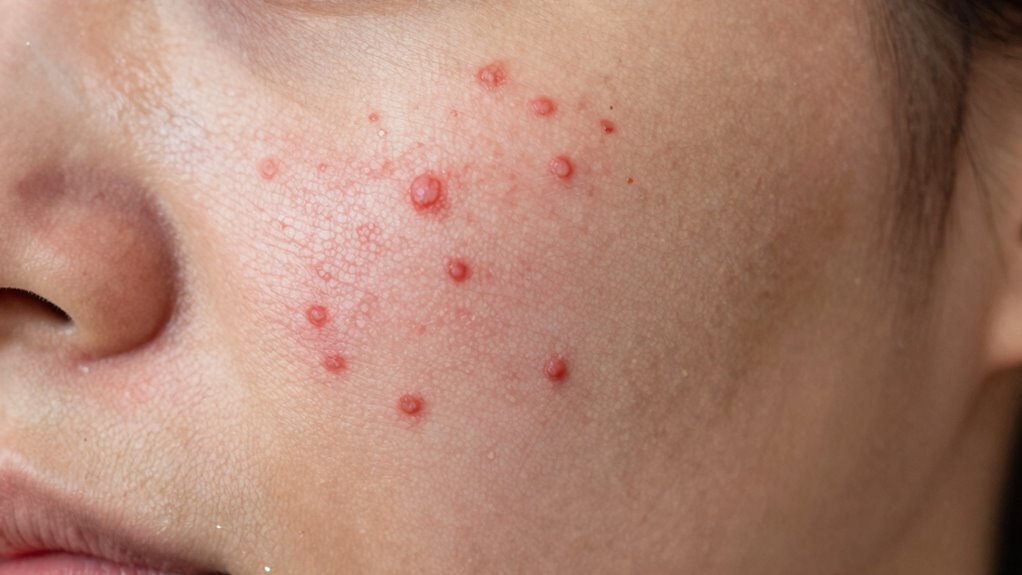
The appearance of pimples on the face and other areas of the body often relates to how the body’s oil-producing glands, known as sebaceous glands, function. Face mapping, a technique some dermatologists use, suggests that pimples in specific areas may hint at underlying issues—like stress, diet, or hormones.
Facial acne typically develops when these glands produce excess sebum, which can clog pores. Pimples can also appear on the chest, shoulders, and upper back because these areas have active oil glands too. Using non-comedogenic products, meaning they won’t clog pores, can help prevent breakouts.
Proper skincare, avoiding harsh ingredients, and understanding where pimples show up are key steps. These measures, combined with patience, often lead to clearer skin and a better understanding of your body’s signals.
What Are the Common Causes and Triggers of Pimples?
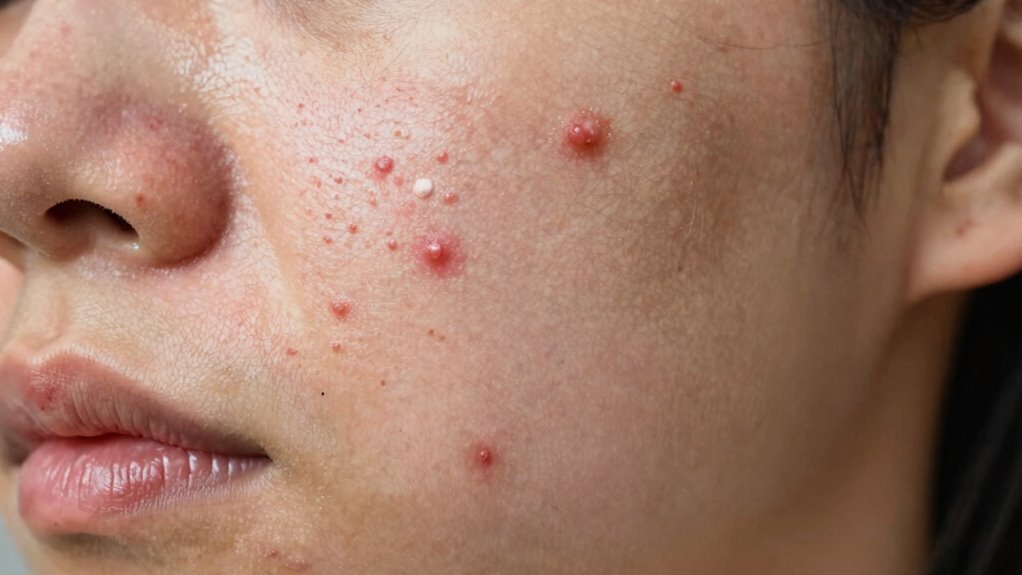
Have you ever wondered what really causes pimples to pop up? Face acne occurs when hair follicles become clogged with excess sebum and dead skin cells, leading to inflammation. Different types of acne on face, like blackheads, whiteheads, or cysts, can appear depending on how deep the clogging is. Face mapping acne suggests that breakouts in certain areas might be linked to specific organs or habits.
Hormonal changes, especially during puberty, increase androgens, which boost sebum production and trigger pimples. External factors like friction from phones or helmets, hair products, or medications can also worsen face acne. Seasonal hormonal fluctuations might play a role too. Overall, these triggers combine to create the common causes behind pimples.
How Can You Recognize the Symptoms and Types of Pimples?
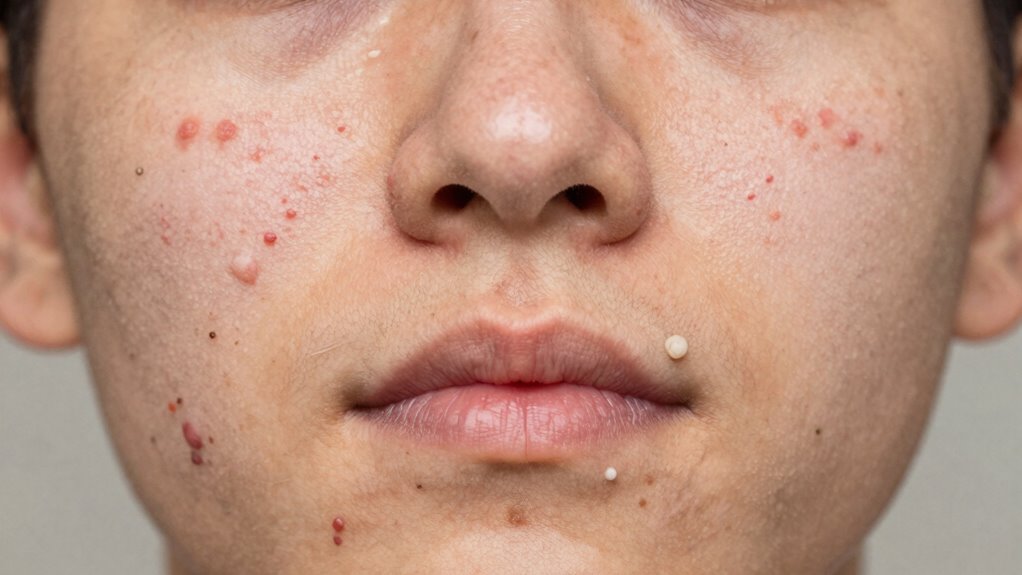
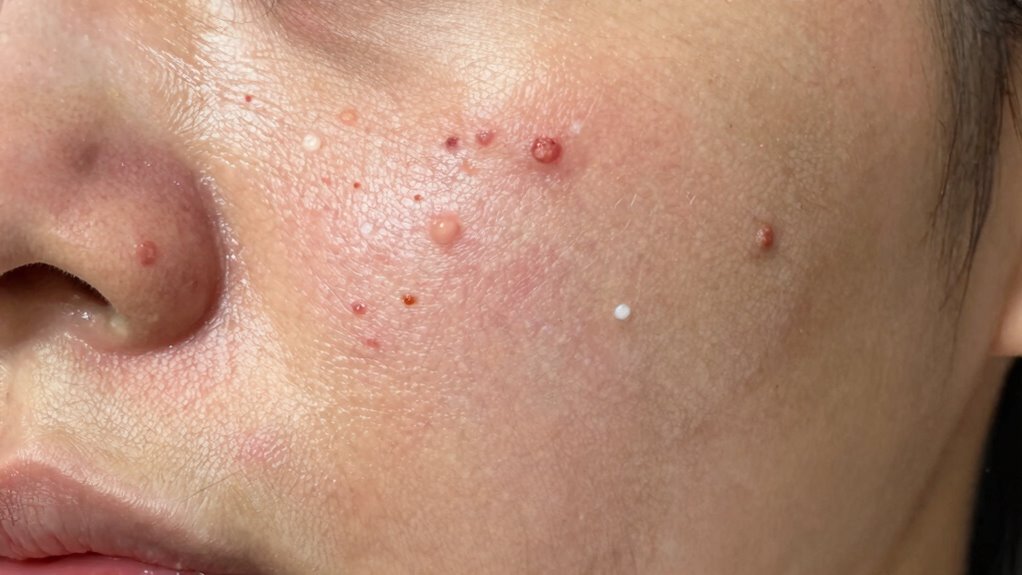
Recognizing the different signs and types of pimples is a helpful step in understanding skin health and choosing the right treatment. Pimples come in various forms, each with unique features. For example, whiteheads are small, flesh-colored bumps with a white top, caused by trapped oil and dead skin cells. Blackheads are similar but dark due to oxidation. Papules are small, red bumps without pus, indicating inflammation.
Pustules contain pus and look like white-topped bumps. Nodules are larger, painful lumps deep in the skin, and cystic lesions are even bigger, often painful, and filled with pus. Pimples often appear in the T-zone but can affect other areas due to friction or skin irritation. Recognizing these signs helps in choosing appropriate care and avoiding unnecessary treatments.
What Are Effective Ways to Treat and Manage Pimples?
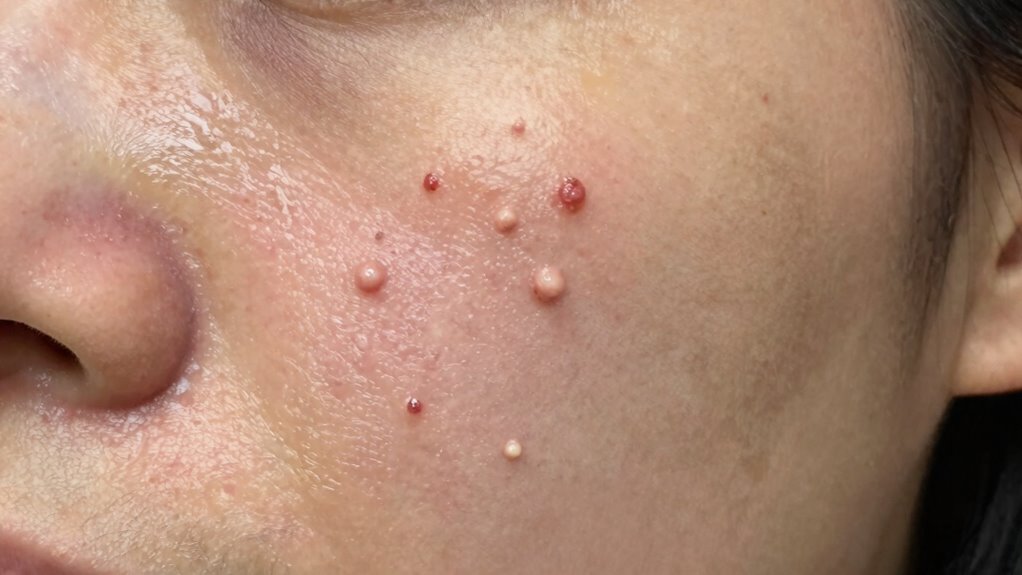
What are some effective ways to treat and manage pimples? Over-the-counter products like benzoyl peroxide or salicylic acid are popular options, helping to reduce inflammation and clear pores. Using a gentle face wash, preferably without harsh scrubs, can keep skin clean without irritating it further. It’s important to avoid touching or squeezing pimples, as this can worsen inflammation or cause scars. Keeping hands and objects that touch the face clean is also essential.
Regularly washing hair and keeping it away from the face helps prevent forehead and back breakouts. Non-comedogenic, oil-free moisturizers and makeup minimize pore clogging. For persistent or severe pimples, consulting a healthcare provider is wise, as they can recommend personalized treatments, including prescription options for stubborn cases.
Should You Pop or Squeeze Pimples, and What Are the Risks?
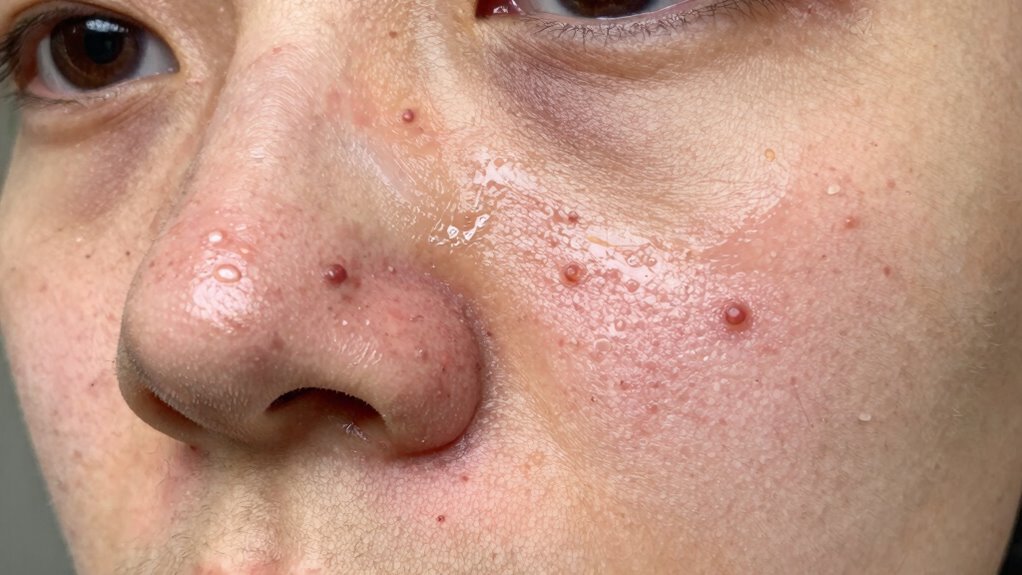
Deciding whether to pop or squeeze a pimple can be tempting, especially when it’s staring you in the mirror and begging for immediate relief. However, squeezing often does more harm than good. It can increase inflammation, cause scarring, or hyperpigmentation—those dark spots that stick around. When the contents spill into surrounding tissue, bacteria can spread, making the breakout worse. Plus, popping doesn’t speed up healing; it can actually delay it by weeks, especially for deep lesions.
If a pimple persists or becomes painful, seeking professional care is best. Trained dermatologists can perform safe extractions, reducing risks.
- Increases inflammation and scarring
- Spreads bacteria, worsening outbreaks
- Delays healing of deep pimples
- Can cause hyperpigmentation
- Professional extraction is safer
How Can Lifestyle and Skincare Practices Help Prevent Pimples?
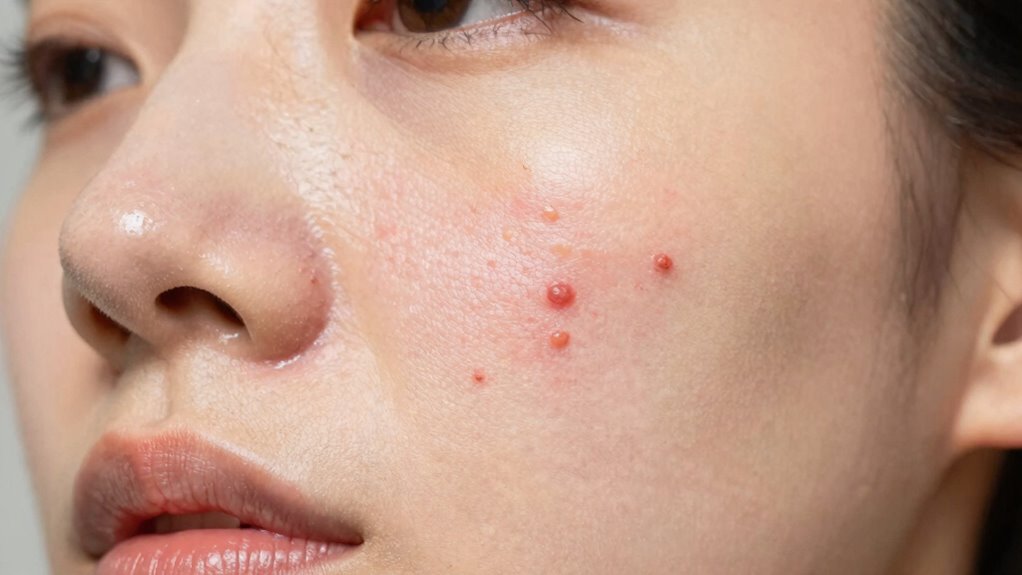
Ever wonder how everyday habits can influence the appearance of pimples? Simple skincare routines and lifestyle choices make a big difference.
Washing the face once or twice daily with a gentle cleanser helps remove excess oil, dirt, and dead skin, preventing clogged pores. Removing makeup every day stops pore blockage and reduces inflammation. It’s best to avoid harsh scrubbing or exfoliating brushes, which can irritate skin and worsen pimples.
Keeping hair off the face, washing oily hair regularly, and avoiding heavy hair products near the forehead can reduce breakouts. Using non-comedogenic, oil-free, water-based makeup and always applying sunscreen also help prevent pore clogging. Lastly, changing pillowcases and bed sheets weekly and resisting the urge to touch the face transfer fewer dirt and oils, supporting clearer skin.
When Is It Time to See a Healthcare Provider About Your Pimples?
Knowing when to seek help from a healthcare provider can make all the difference in managing pimples effectively. If pimples are deep, persistent, or worsening, it’s time to see a professional. Deep pimples may last weeks and might need special treatments. If over-the-counter remedies don’t work or if acne becomes severe, consulting a primary care doctor or dermatologist is wise.
Women experiencing flare-ups before their period might benefit from hormonal tests or contraceptive options. Sudden, severe acne in older adults could signal underlying health issues. Seek urgent care if pimples cause extreme pain, spread rapidly, or come with fever, signs of infection, scarring, or pigment changes.
Trust your instincts. Timely professional help can prevent lasting skin damage and improve your confidence.