

As an Amazon Associate, this website earns from qualifying purchases.
Choosing the right face mask depends on skin type and concerns. For oily skin, clay masks help absorb oil and tighten pores, while sensitive skin benefits from soothing gels with aloe or cucumber. Dry skin needs hydrating masks with hyaluronic acid or plant oils. Use clay masks 1-3 times weekly; sheet masks for quick hydration once or twice a week. Pay attention to fit and ingredients, and if you explore more, you’ll discover even smarter ways to care for your skin.
What Are the Different Types of Face Masks and How Do They Work?
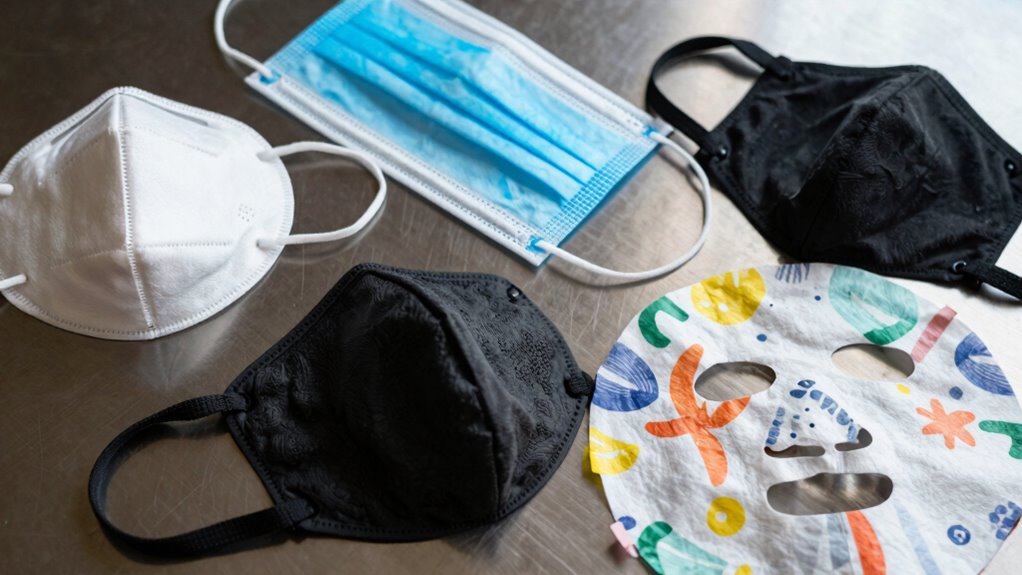
Have you ever wondered why there are so many different kinds of face masks? Each type serves a unique purpose and works differently on the skin.
Sheet masks are like a boost of concentrated active ingredients, providing hydration, brightness, or anti-aging benefits quickly. Clay masks, on the other hand, are excellent for oily or acne-prone skin because they absorb excess oil and impurities, helping to refine pores. Peel-off masks are designed to gently exfoliate and tighten the skin by removing dead cells and debris from pores. However, they can be drying if they contain too much polyvinyl alcohol.
These masks create a barrier that helps active ingredients penetrate deeper into the epidermis, making them more effective than creams alone. Choosing the right type depends on your skin’s needs.
How to Match Face Masks to Your Skin Type and Skin Concerns
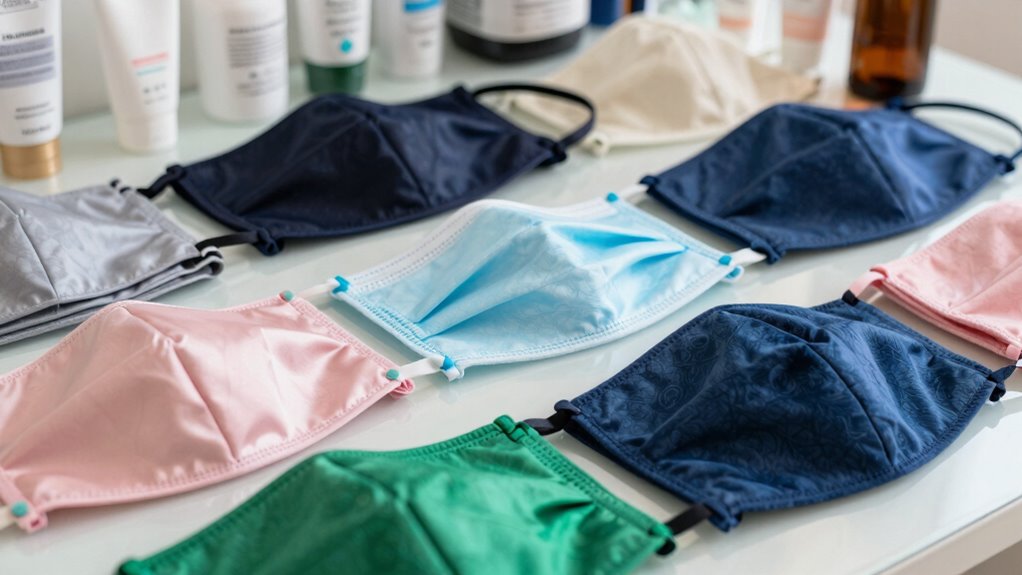
Determining the best face mask for a specific skin type is like finding the perfect puzzle piece: it needs to fit just right to be effective. For oily or acne-prone skin, clay masks are ideal because they absorb excess oil and help refine pores, especially when combined with clarifying ingredients like salicylic acid.
Dry skin benefits most from hydrating masks that contain hyaluronic acid, glycerin, or plant oils. These ingredients lock in moisture and soothe dryness. Sensitive or inflamed skin should avoid harsh clays and opt for soothing masks with aloe, chamomile, or cucumber that calm irritation.
Normal or combination skin can enjoy masks with nourishing botanical extracts. Understanding these skin types and concerns ensures choosing the right mask, making skincare both effective and enjoyable.
When and How Should You Use Each Type of Face Mask for Best Results?
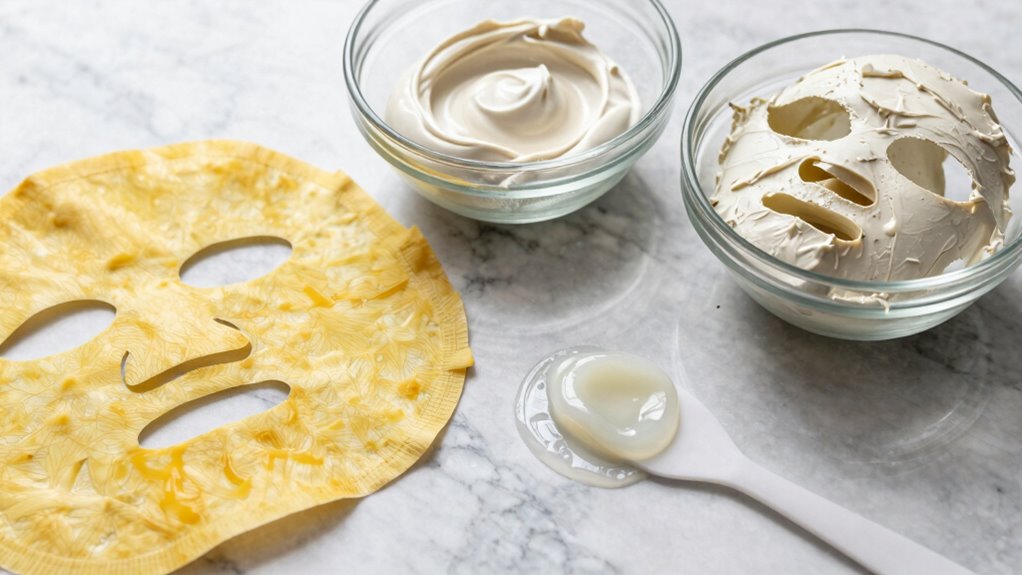
When is the best time to use different types of face masks? It depends on your skin needs and the mask type.
Clay masks are great for oily or acne-prone skin and should be used 1–3 times weekly to help absorb excess oil and refine pores.
Sheet masks deliver concentrated actives for quick hydration or brightening and are best used once or twice a week, especially if they’re gentle.
Gel masks are perfect for sensitive or inflamed skin and can be used 2–3 times weekly or whenever irritation occurs.
Peel-off masks, which exfoliate and refine pores, should be limited to once a week or less to prevent irritation.
Always follow usage instructions and listen to your skin’s signals for the best results.
What Are the Key Factors to Consider When Choosing a Face Mask?
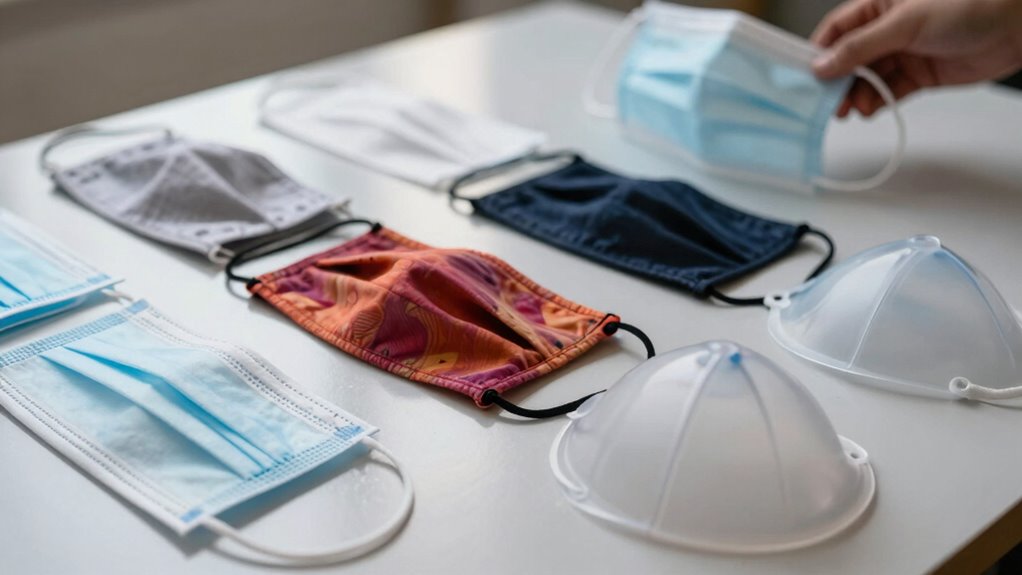
Choosing the right face mask involves more than just picking a pretty design or the latest trend. Key factors include fit, protection level, and use-case considerations. A mask’s fit is essential; it should seal tightly over the nose, mouth, and chin without gaps because even the best filter can’t work well if air slips in around the edges.
Protection level depends on where you’re going. N95s provide high filtration for risky settings, while cloth masks are suitable for everyday errands. Use-case considerations help guide choices; for example, oily skin may need masking options like clay masks, while dusty environments call for respirators. Always verify the mask’s quality and follow manufacturer instructions for reuse and maintenance to ensure ongoing protection.
How to Incorporate Face Masks Into Your Skincare Routine Effectively

Have you ever wondered how to make face masks work better for your skin? The key is to develop a consistent face mask routine tailored to your skin type, masks, and needs. Start by cleansing your face thoroughly before applying a mask to allow ingredients to penetrate deeply.
For oily or acne-pr prone skin, clay or mud masks work well, while dry skin benefits from hydrating overnight or cream/gel masks. Sensitive skin responds best to soothing gels, and mature or dull skin may benefit from brightening or anti-aging masks. Follow product instructions carefully regarding how long to leave the mask on and how often to use it. Most skin types do well with masking 2–3 times weekly, adjusting based on skin response. Finish with moisturizer to lock in benefits.
Tips for Selecting Safe and Budget-Friendly Face Masks
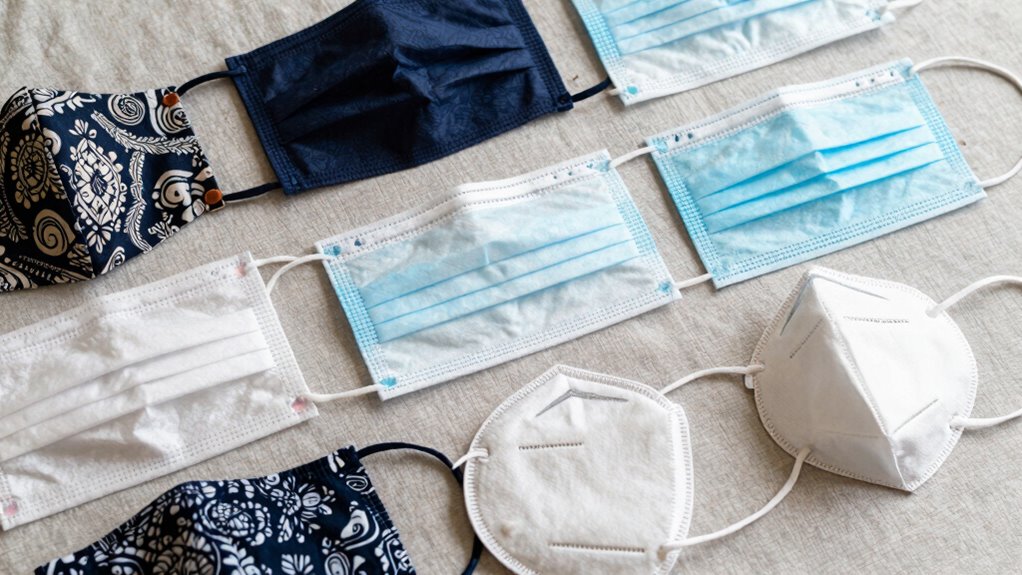
Ever wonder how to pick a face mask that’s both safe and budget-friendly? The key is balancing mask safety with affordability. First, check if the mask meets recognized standards, like NIOSH-approved N95s, and avoid masks with exhalation valves when health protection is crucial.
To save money while ensuring proper fit and filtration, consider multi-layer cloth masks with a snug nose wire and non-woven filter inserts. Also, read ingredient labels on disposable masks or sheet masks—steer clear of fragrances or high alcohol content that can cause reactions.
Choose masks with proven standards for better mask safety. Look for reusable options to get more use out of each purchase. Buy from reputable sources to avoid substandard filtration and poor fit.