
As an Amazon Associate, this website earns from qualifying purchases.
Choosing truly organic skincare starts with understanding labels and certifications. Look for third-party logos like USDA Organic, which confirm the product’s organic status. Terms like “made with organic ingredients” usually mean at least 70% organic content, while “certified organic” indicates over 95%. Always check ingredient lists for botanical extracts or plant oils. Be cautious of buzzwords like “natural” or “clean,” which aren’t regulated. More tips can help ensure your skincare aligns with your skin and values.
What Does ‘Organic’ Mean in Skincare and What It Doesn’t
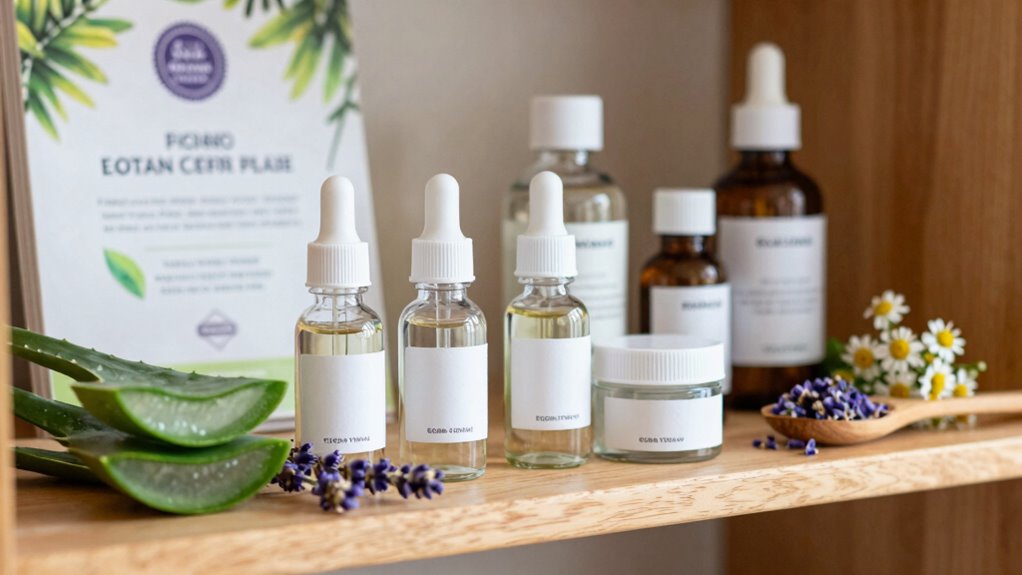
What exactly does the word “organic” mean when it comes to skincare? It usually refers to how ingredients are farmed, meaning they’re grown without synthetic pesticides or fertilizers. However, organic in skincare often relates only to individual ingredients rather than the entire finished product. Certification plays a key role: look for third-party seals or labels like “made with organic ingredients,” which typically mean at least 70% organic content, or simply “organic,” indicating over 95%.
It’s essential to note that these claims don’t guarantee the product is hypoallergenic or free of irritants. Sometimes, organic ingredients are used in products that aren’t fully organic themselves, or the finished product may contain non-organic processing aids. Always check the certification details and ingredient list for clarity.
How to Spot Genuine Organic Certification and Packaging Claims
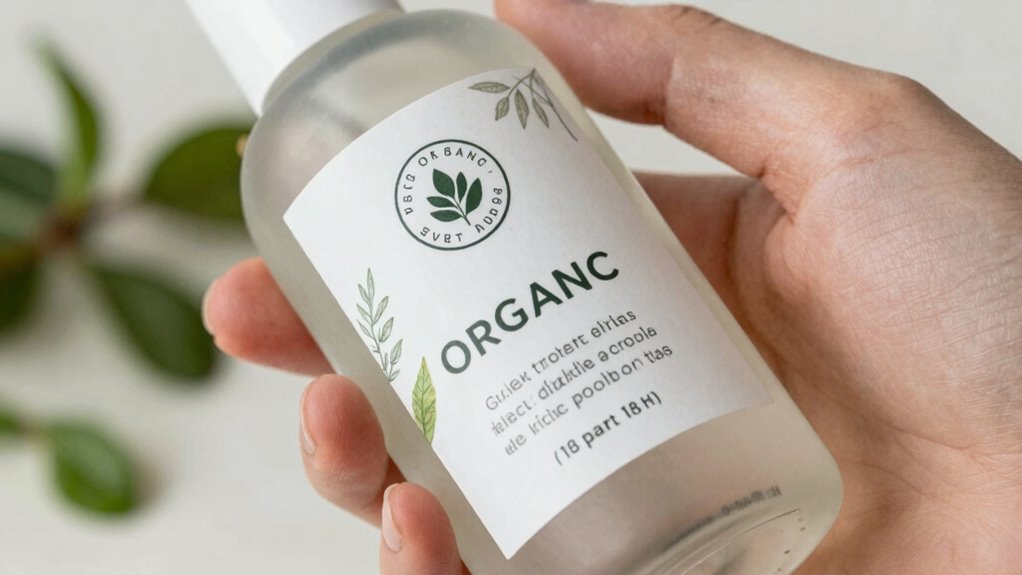
When trying to determine if a skincare product is genuinely organic, the key is to carefully examine the certification labels on its packaging. Look for a clear, third-party certification logo, which confirms the product meets specific organic standards. It’s important to verify whether the certification applies to the finished product or just individual ingredients.
If certification details are missing, check the ingredient list for botanical extracts or plant oils. Consider how sourcing and quality are described. Packaging should explicitly state if the product is “certified organic” or made with organic ingredients. Terms like “natural” or “clean” aren’t enough.
Key Differences Between Organic, Natural, and Clean Skincare
Understanding the differences between terms like organic, natural, and clean skincare can help consumers make more informed choices. Organic skincare often involves certified organic claims, meaning the ingredients come from farms that follow strict organic farming practices. These products may or may not carry organic certification labels, but ingredient disclosure on packaging reveals whether they meet certified organic standards.
Natural, on the other hand, simply indicates ingredients sourced from nature, without guaranteeing organic farming or safety. Clean skincare isn’t regulated, so its meaning varies by brand. To avoid confusion, it’s best to rely on ingredient lists and look for certified organic claims or labels like USDA Organic seals.
This way, consumers can better understand what they’re truly getting beyond just buzzwords or flashy packaging.
How to Choose Organic Products Based on Your Skin Concerns

Choosing the right organic skincare products often begins with pinpointing specific skin concerns. For example, dry skin may benefit from barrier-supporting ingredients like ceramides, while oily skin might need non-comedogenic textures that won’t clog pores. It’s important to look for products with high concentrations of organic ingredients, especially those listed early on the label, indicating they are key components.
Always verify whether the organic claim applies to the finished product or just certain ingredients. Before fully switching, patch testing a product for 7–14 days is wise, especially with botanicals or essential oils that could cause irritation. This simple step helps determine tolerance and prevents unwanted reactions, ensuring the chosen product genuinely supports your skin’s unique needs.
Tips for Reading Labels and Avoiding Common Pitfalls in Organic Skincare
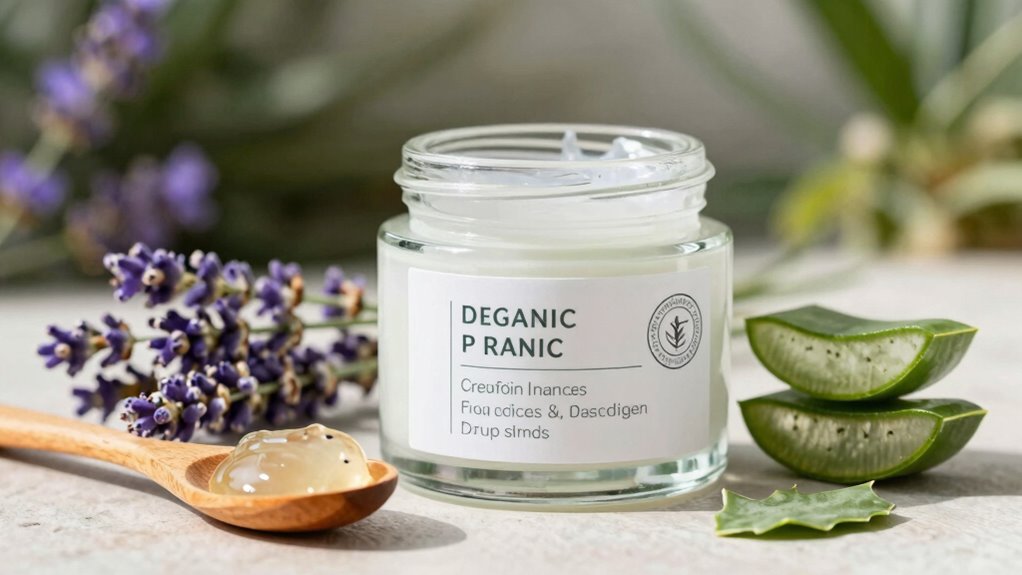
Have you ever looked at a skincare label and felt overwhelmed by the confusing mix of claims and ingredients? It’s common, but understanding labels helps avoid pitfalls. Look for clear organic certifications, like USDA seals, and check if they apply to the finished product or just specific ingredients. Pay attention to phrases such as “certified organic” versus “made with organic ingredients,” which indicates different standards—higher for the former.