
As an Amazon Associate, this website earns from qualifying purchases.
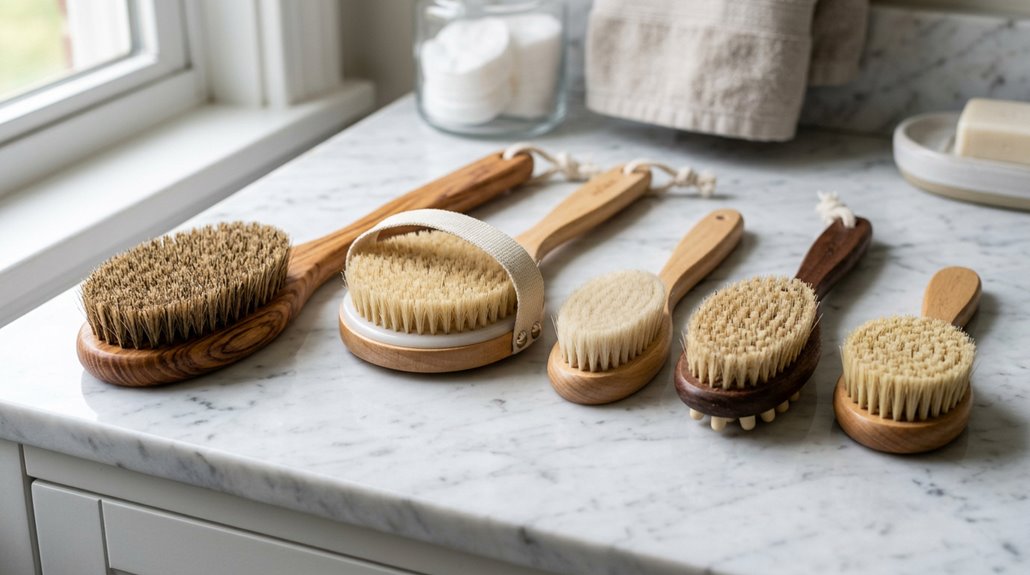
Choosing the right body brush depends on skin sensitivity, target areas, and reach. Natural fibers like jute and sisal are gentle for delicate spots, while firmer bristles work better on thicker skin. Look for features like handle length or straps for hard-to-reach areas, and bristle density that balances comfort and effectiveness. Remember, softer brushes for sensitive zones and firmer ones for rough patches are key. Keep exploring to discover how to make dry brushing safe and enjoyable.
Understanding Why Choosing the Right Body Brush Matters for Dry Brushing
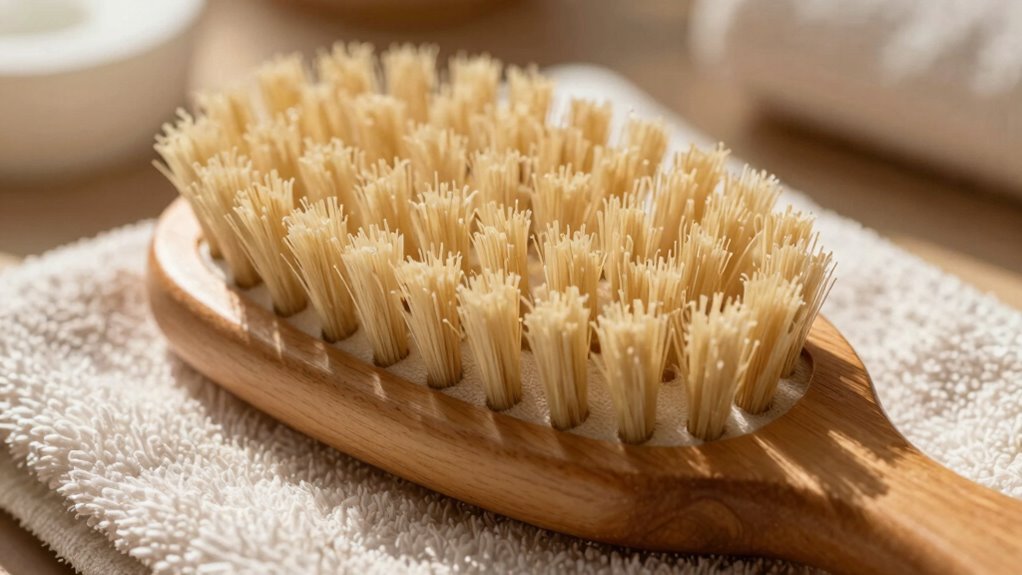
Why does choosing the right body brush really matter when it comes to dry brushing? The answer lies in how well the brush matches your skin’s needs. Natural bristles are preferred because they’re gentler and reduce irritation compared to synthetic ones. The firmness of the brush should be matched to the skin area, so softer for delicate spots and firmer for thicker skin, ensuring effective exfoliation without discomfort.
Reach and ergonomics also play a crucial role. A long-handled or strapped brush helps reach hard-to-access places like the back or shoulders, making the process easier and more thorough. Selecting a brush with the right texture and firmness, along with a comfortable grip, makes dry brushing a more enjoyable, safe, and effective part of self-care.
Different Types of Natural Fibers and Their Benefits for Sensitive and Thick Skin
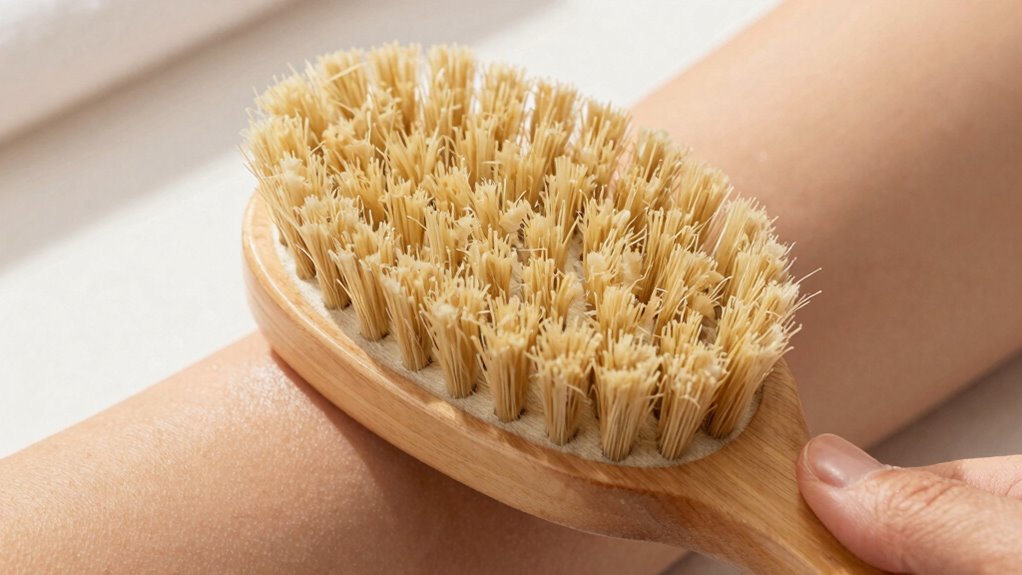
Different natural fibers used in body brushes, such as jute, sisal, and coconut, each bring unique benefits suited to different skin types and areas of the body. For sensitive skin, softer fibers like gentle jute or fine sisal are ideal because they reduce irritation while still providing effective exfoliation.
Conversely, thicker or tougher skin areas, such as legs and feet, can handle firmer fibers like medium-firm sisal or coconut-based fibers, which deliver deeper exfoliation. Natural fibers tend to last longer and provide consistent exfoliation better than synthetic options, making them a practical choice.
- Soft fibers like jute gently exfoliate sensitive skin without irritation.
- Medium-firm sisal works well for tougher areas needing a more vigorous scrub.
- Coconut fibers are perfect for deep exfoliation on thick skin zones.
How to Match Brush Firmness and Texture to Your Skin Type and Area
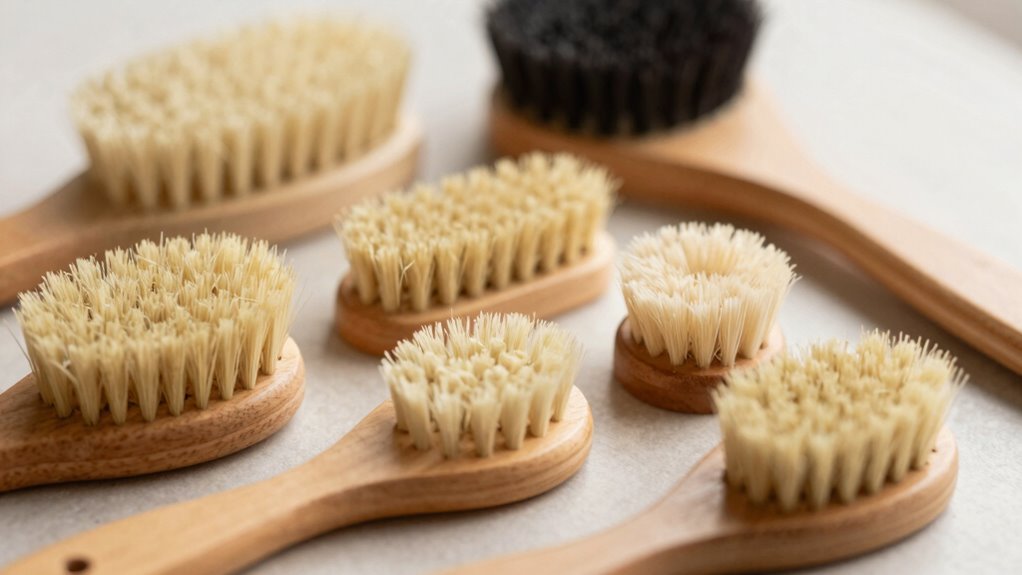
Have you ever wondered how to choose the right brush firmness for different parts of your body? The key is matching natural bristles and brush firmness to each body area.
Delicate skin, like the chest, inner arms, and bikini line, benefits from soft, natural bristles that minimize irritation. Firmer bristles suit thicker skin on the legs and thighs, providing effective exfoliation without being harsh. For hard-to-reach areas like the back, long-handled or strap-equipped brushes offer better control, often with medium to firm textures.
Additionally, natural fibers like jute and sisal offer varying exfoliation levels—softer for sensitive spots, firmer for rougher zones. Using a balanced mix ensures a calming, spa-like experience while keeping skin healthy and smooth.
Key Features to Look for in a Dry Body Brush (Size, Handle, Bristle Density)
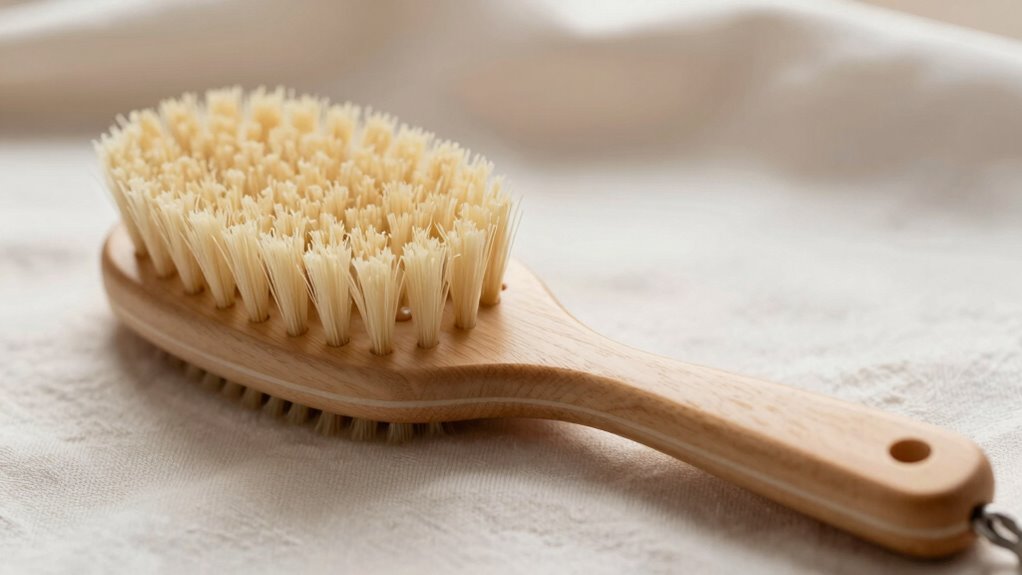
When choosing a dry body brush, key features like size, handle design, and bristle density can make a big difference in how effective and comfortable the experience is. A brush with natural bristles is gentle on sensitive skin and reduces irritation, especially if the bristle density is appropriate. Handle design matters too—long handles help reach hard-to-access areas like the back, while a hand strap allows for targeted, controlled brushing.
For larger areas, an ergonomic handle and a sizeable head make exfoliation easier and more efficient. Look for natural bristles with the right bristle density for your skin type. Choose a handle design that suits your reach and control needs. Opt for a larger head for easy coverage on bigger areas.
Selecting the Best Brush Shape and Size for Targeted Exfoliation and Hard-to-Reach Areas
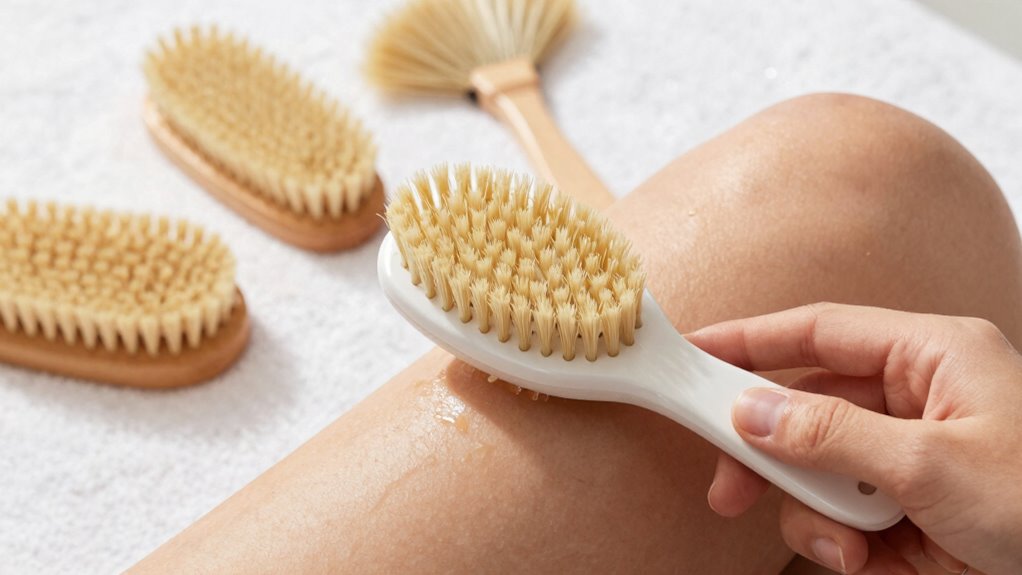
Choosing the right shape and size of a body brush can make all the difference in achieving effective and comfortable exfoliation.
For hard-to-reach areas like the back, a long-handled or back-brush design helps extend reach and keeps control steady. These back brushes often feature flexible handles, making maneuvering along the spine and shoulders easier.
When targeting specific areas such as the bikini line or inner arms, smaller brushes like handheld round or precision brushes are ideal. They allow for gentle, targeted exfoliation with easy-grip handles.
For larger, thicker skin areas like legs and heels, larger, firmer brushes work best. The key is matching the brush shape and size to the skin zone, ensuring the process feels both effective and comfortable.
How Often Should You Dry Brush? Tips for Finding Your Perfect Frequency
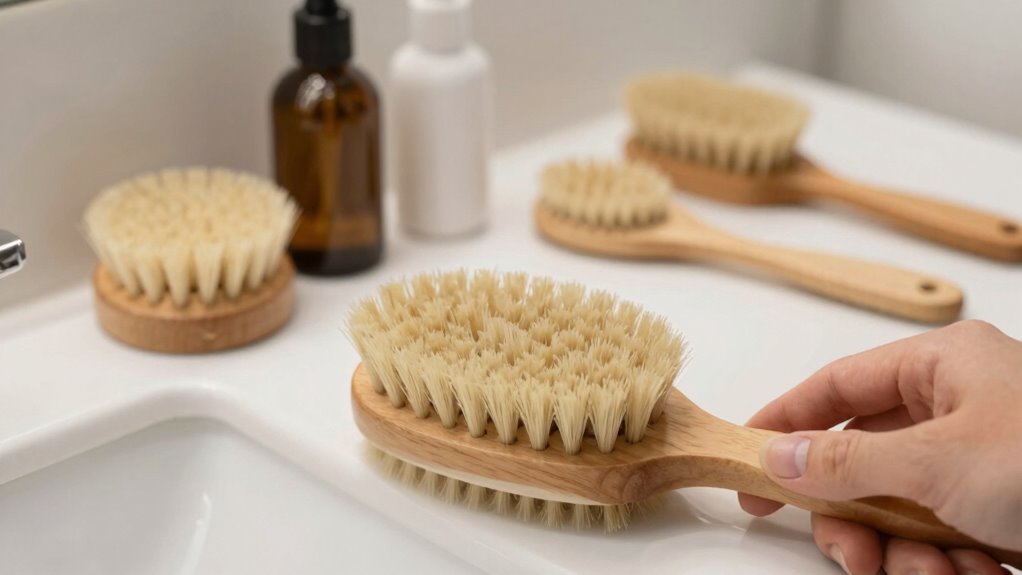
Determining the right frequency for dry brushing can feel a bit like finding the perfect balance in a recipe—too much, and it might upset your skin; too little, and you might miss out on the benefits. There’s no one-size-fits-all answer, as dry brushing frequency depends on your skin sensitivity and exfoliation cadence.
People with sensitive skin may prefer less frequent sessions to prevent irritation. Those with dry or flaky skin might benefit from more regular brushing to boost circulation and softness. Starting with 2-3 times a week allows you to gauge how your skin responds, then adjust accordingly.
Listening to your skin and observing how it reacts helps find the ideal balance, promoting healthy, smooth skin without discomfort.
Safety Tips to Prevent Skin Irritation and Damage During Dry Brushing
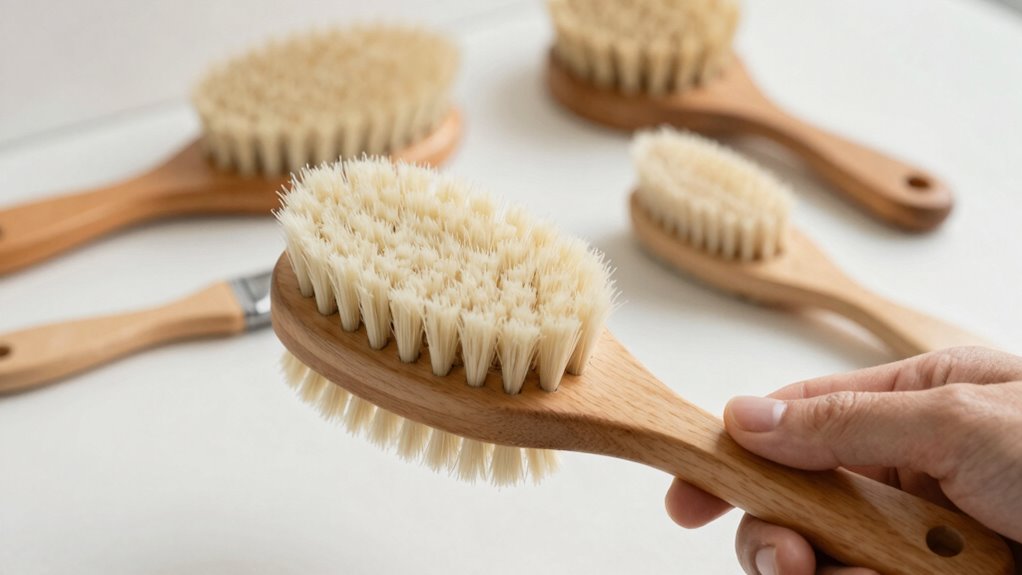
Ever wonder how to enjoy dry brushing without irritating your skin? Choosing the right body brush with natural bristles is key. These soft, dense bristles help prevent skin irritation and make the exfoliation technique gentler and more effective. It’s important to start with light pressure and limit to 2–3 strokes per section, avoiding over-exfoliation that could damage the skin.
Never brush over open sores, rashes, moles, or sunburned skin. Adjust bristle firmness based on skin sensitivity—softer for sensitive areas. Focus on larger body areas with long, outward strokes toward lymphatic drainage regions. After brushing, clean and air-dry the brush to prevent bacteria buildup.
Following these safety tips helps enjoy dry brushing benefits without risking irritation or harm.
Post-Brush Care: How to Clean and Maintain Your Body Brush for Hygiene and Longevity
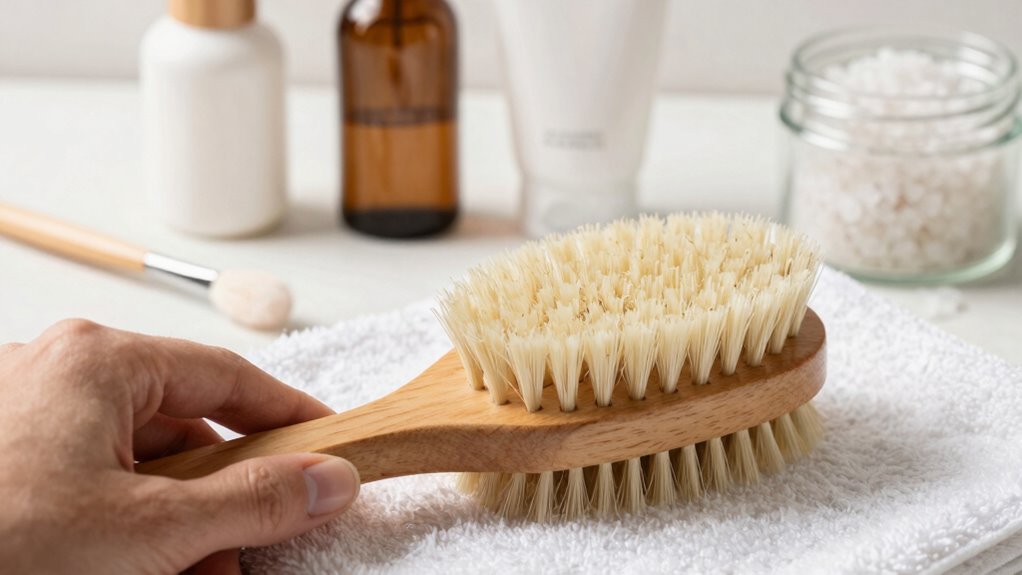
Have you ever wondered how to keep your body brush clean and in good shape after each use? Proper post-brush care is essential for maintaining hygiene and extending the life of your dry body brush.
To ensure the bristles stay fresh, it’s important to air-dry the brush facing down, preventing moisture buildup and mold. Store the brush in a dry, well-ventilated area away from damp bathrooms to reduce bacterial growth. Regularly sanitizing the bristles with rubbing alcohol helps keep it hygienic and prolongs brush maintenance.
Additionally, replacing natural boar bristle brushes every three months or sooner if bristles fray ensures effective exfoliation.
- Air-dry facing down after use
- Store in a dry, ventilated space
- Sanitize periodically with rubbing alcohol
Expert Recommendations: Top-Rated Dry Brushes for Different Skin Needs and Budgets
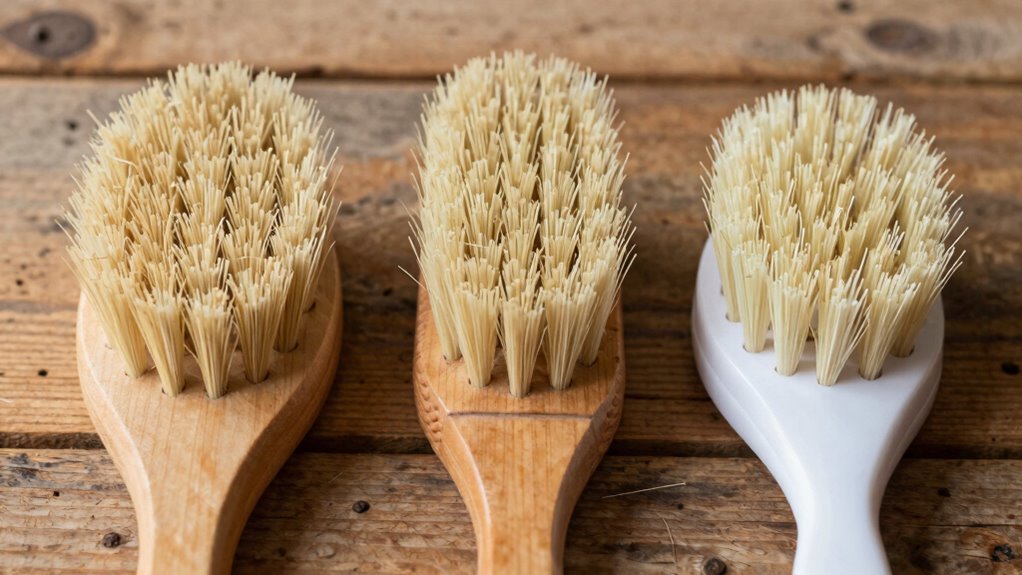
Choosing the right dry brush can make a big difference in how effective and comfortable your exfoliation routine is, especially when considering different skin types and personal budgets. For those seeking gentle body brushing, natural bristles like boar or plant fibers are ideal because they exfoliate softly and reduce irritation.
For larger areas such as legs or back, brushes with longer handles and sturdy bristles help reach tricky spots comfortably. Delicate zones, like the chest or inner arms, benefit from softer textures.
| Skin Type | Recommended Body Brush |
|---|---|
| Sensitive skin | Soft natural bristles, small head |
| Tougher areas | Firmer bristles, longer handle |
| Budget-conscious | Affordable synthetic options, basic design |
Common Mistakes to Avoid When Choosing and Using a Body Brush for Dry Exfoliation
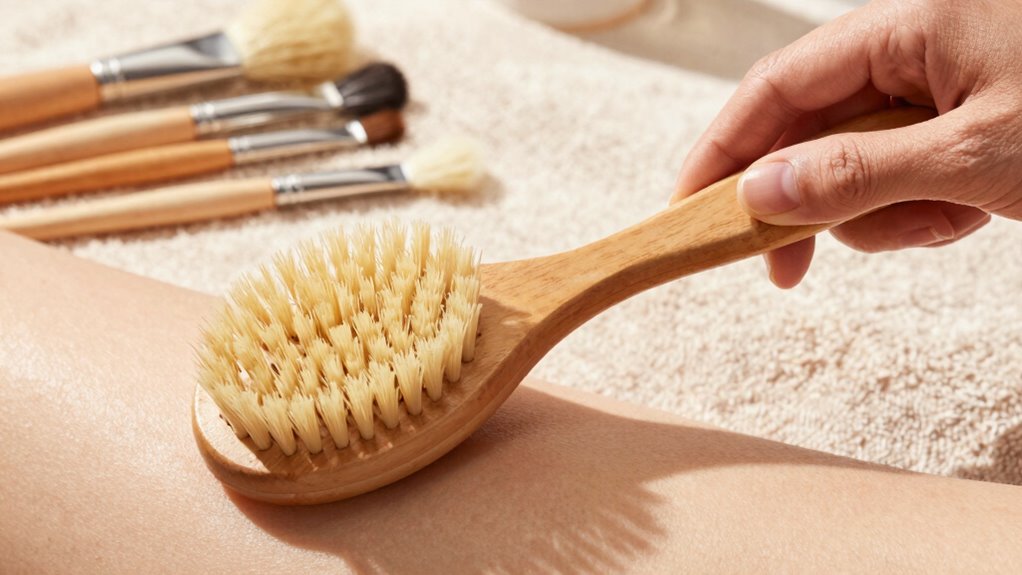
Many people make common mistakes when selecting and using a body brush for dry exfoliation, which can lead to discomfort or even skin damage. First, choosing synthetic or plastic bristles instead of natural, soft ones can cause irritation, especially for sensitive skin. Second, using a stiff brush on delicate areas like the chest or inner arms may result in redness or abrasions. Third, neglecting to clean or replace the brush regularly allows bacteria to build up, risking breakouts or infections.
Picking a brush without a handle or strap can make it hard to reach your back comfortably. Using the same brush on both rough and delicate skin without switching to softer options is also a mistake. Not checking the bristle firmness or replacing the brush often diminishes effectiveness and hygiene.