
As an Amazon Associate, this website earns from qualifying purchases.
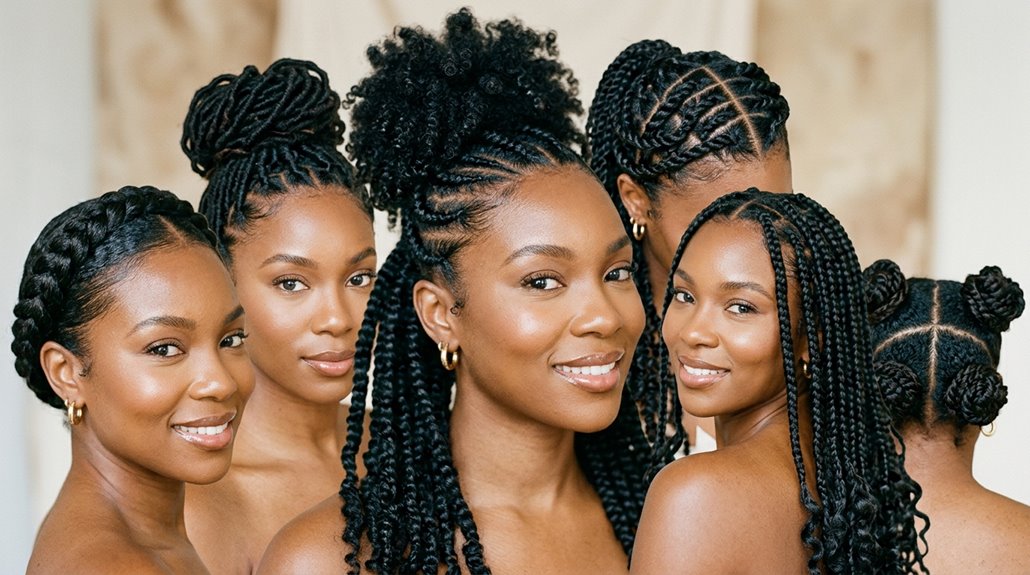
There are many protective styles for natural hair, like knotless box braids, box braids, flat twists, crochet braids, faux locs, Senegalese twists, and halo braids. To do them, start with clean, detangled hair, trim dead ends, and gather the right tools like combs, water spray, lightweight moisturizer, and satin scarves. Each style needs proper preparation, gentle handling, and care. If you’re curious about step-by-step tips and maintenance, exploring each option can help you achieve a stylish, healthy look.
1. What Are the Top Protective Hairstyles for Natural Hair?
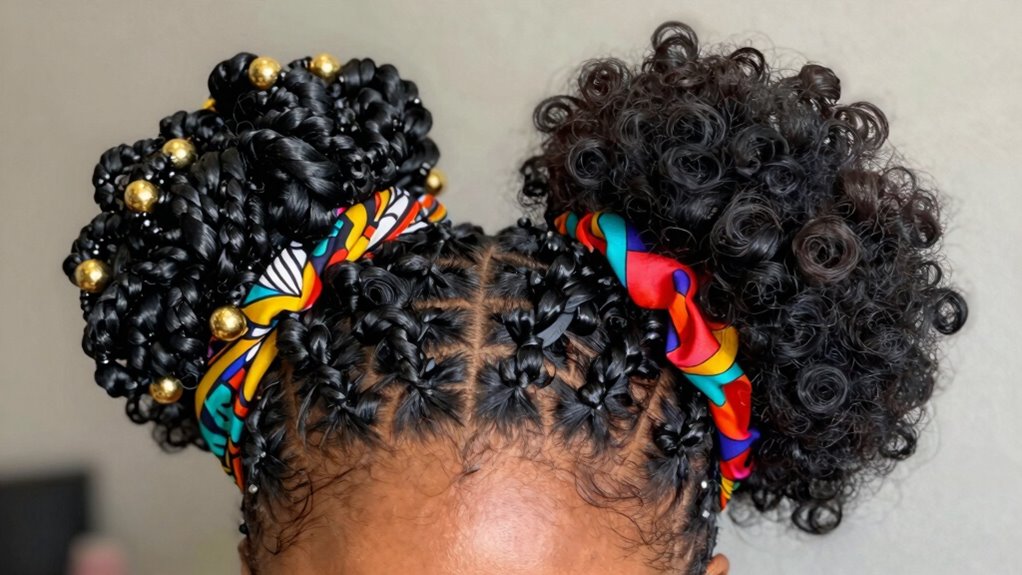
Have you ever wondered which hairstyles are best for protecting natural hair while still looking stylish? Protective hairstyles are a fantastic way to shield hair from daily damage and promote growth.
Popular options include knotless box braids, which are lighter and gentler on the scalp, taking about 4–5 hours to install. These styles need just 1–2 packs of hair, water, and a light moisturizer.
Box braids, especially medium and jumbo sizes like goddess and Fulani braids, can last up to 8 weeks with proper hydration.
Flat twists and two-strand twists are gentle, low-tension styles that lock in moisture and can serve as a base for other styles.
Crochet braids, faux locs, and Senegalese twists are also excellent protective styles, offering variety and long-lasting coverage.
2. How to Prepare Your Hair for Protective Styles
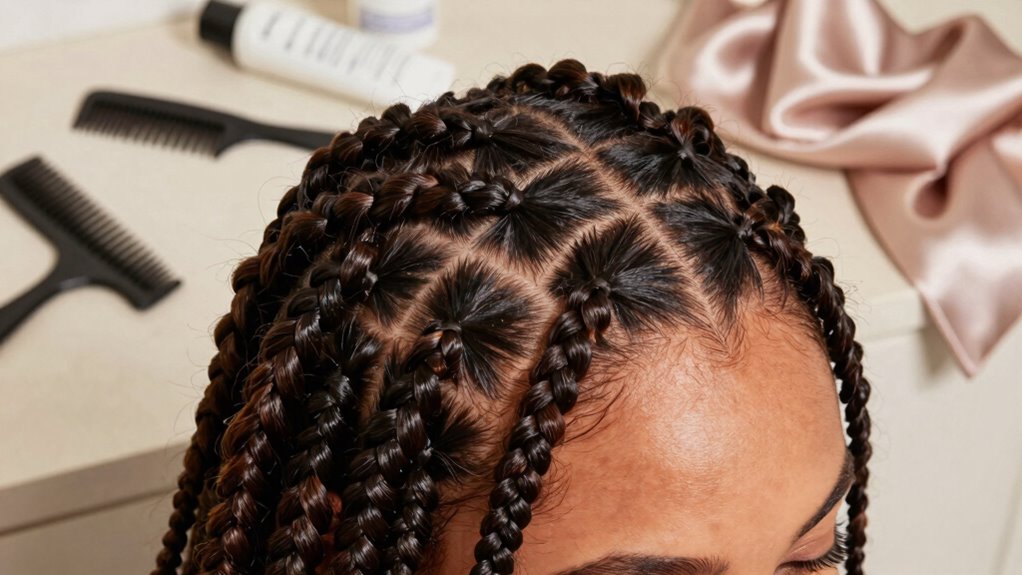
Wondering how to set your hair up for a successful protective style? Starting with a freshly washed head is essential, as clean hair creates a solid base. Trimming dead ends helps reduce friction, making styles like twists or braids last longer and look neater.
Before styling, thorough detangling is key. Using a wide-tooth comb or fingers to gently remove knots minimizes breakage and ensures smooth installation of protective hairstyles. Hydration is equally important; applying a light leave-in conditioner or moisturizer prepares your strands for the extra tension and keeps hair healthy.
Sectioning and parting your hair cleanly helps guide even distribution of extensions or braids, preventing unnecessary tension on any single area. Gathering your supplies and planning a maintenance routine will keep your protective style looking fresh and fabulous.
3. Essential Tools and Products for Installing Protective Styles
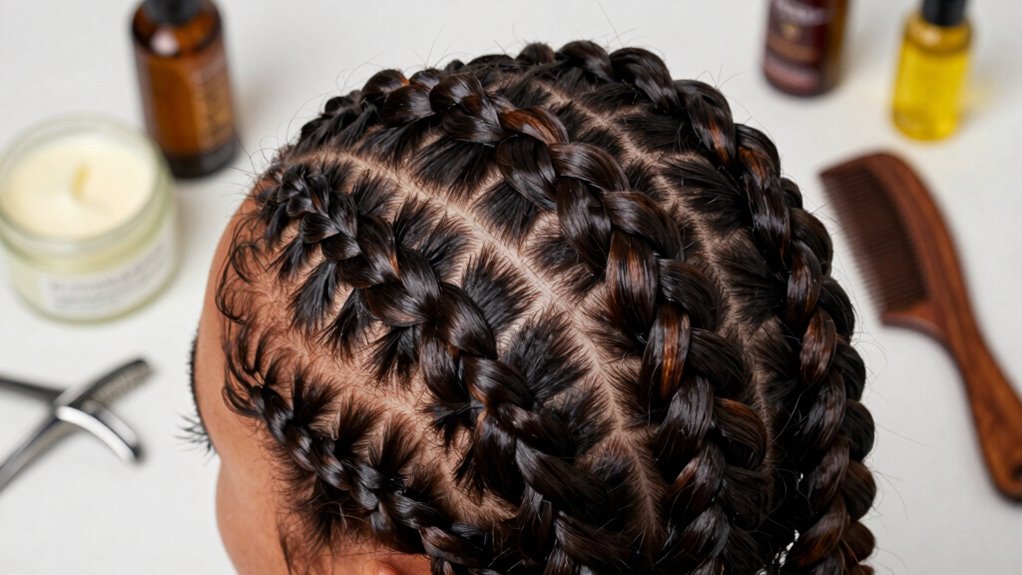
To successfully install protective styles, having the right tools and products at hand makes all the difference. Essential tools include a rat tail comb for precise parting, a spray bottle filled with water to keep hair moist, and lightweight moisturizers or gels, especially for knotless braids. These tools help achieve neat, smooth styles without unnecessary tension.
For twist-outs, two-strand twists paired with a wide-tooth comb and a good moisturizer ensure defined curls. When doing wash n’ go styles, high-quality hair oils, along with a gentle shampoo and conditioner, seal and protect the hair. Additional helpful items include satin scarves or bonnets for nighttime protection, as well as optional styling aids like perm rods or edge gels.
These products and tools create a solid foundation for beautiful, healthy protective hairstyles.
4. Step-by-Step Guide to Creating Popular Protective Styles
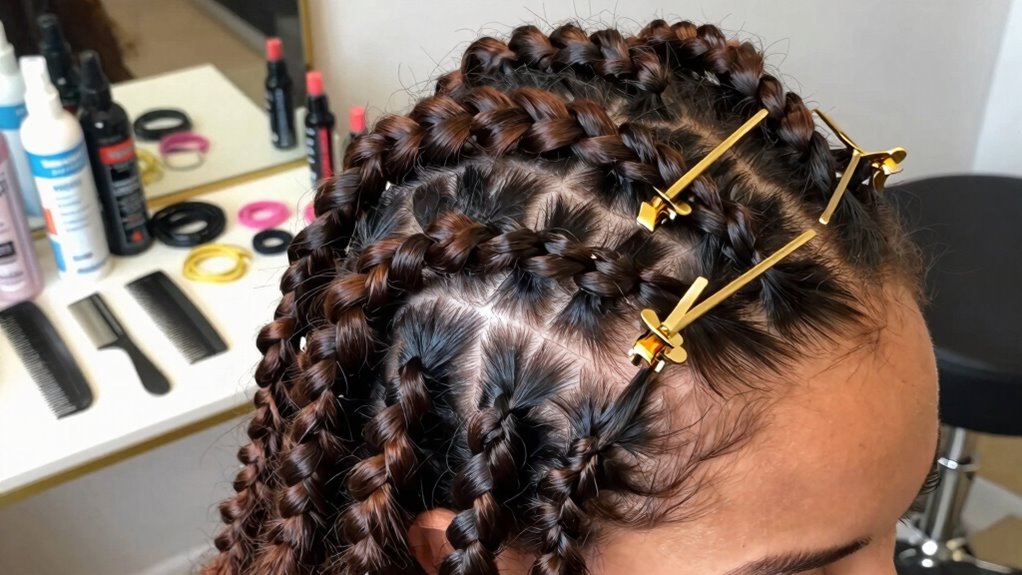
Creating protective styles might seem like a straightforward task, but mastering each look requires a bit of technique and patience. For example, installing knotless box braids takes about 4-5 hours and needs just 1-2 packs of hair, a rat tail comb, water spray, and a lightweight moisturizer or gel.
Similarly, twist outs involve two-strand twists set on thoroughly detangled, moisturized natural hair, usually taking 1-2 hours. Flat twists and halo braids are gentle options that protect edges and promote moisture. Here’s a quick look at popular styles:
| Style | Key Steps | Tips |
|---|---|---|
| Knotless Box Braids | Section, add hair, braid smoothly | Use minimal tension |
| Twist Outs | Detangle, twist, set, unravel | Moisturize well |
| Wash n’ Go | Detangle, style with lotion, seal ends | Use satin for sleep |
| Flat Twists | Part, twist close to scalp | Keep tension low |
| Halo Braids | Create a circle, braid around head | Gentle handling |
Each step promotes healthy, natural hair care while creating stunning protective hairstyles.
5. How Long Can You Safely Wear Different Protective Styles?
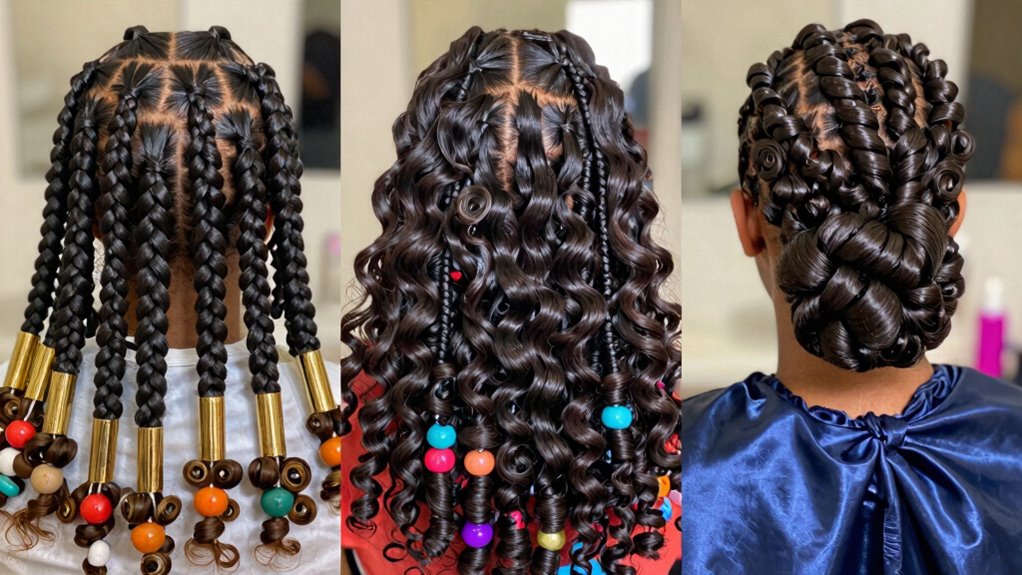
How long can protective styles be worn safely without risking damage or compromising hair health? The answer varies depending on the style and how well they are maintained. For example, knotless box braids can last about 4-5 weeks, while box braids and similar styles typically stay healthy for up to 8 weeks with proper hydration and oiling.
Bantu knots usually last around 2 weeks before untwisting, and faux locs can extend beyond several weeks if cared for properly. To maximize the longevity of protective styles, it’s important to follow recommended maintenance durations to avoid tension and breakage. Keep hair moisturized and oiled regularly and pay attention to your scalp’s health and comfort.
Sticking within these timeframes helps prevent damage and keeps hair looking its best longer.
6. Tips for Maintaining and Caring for Protective Styles
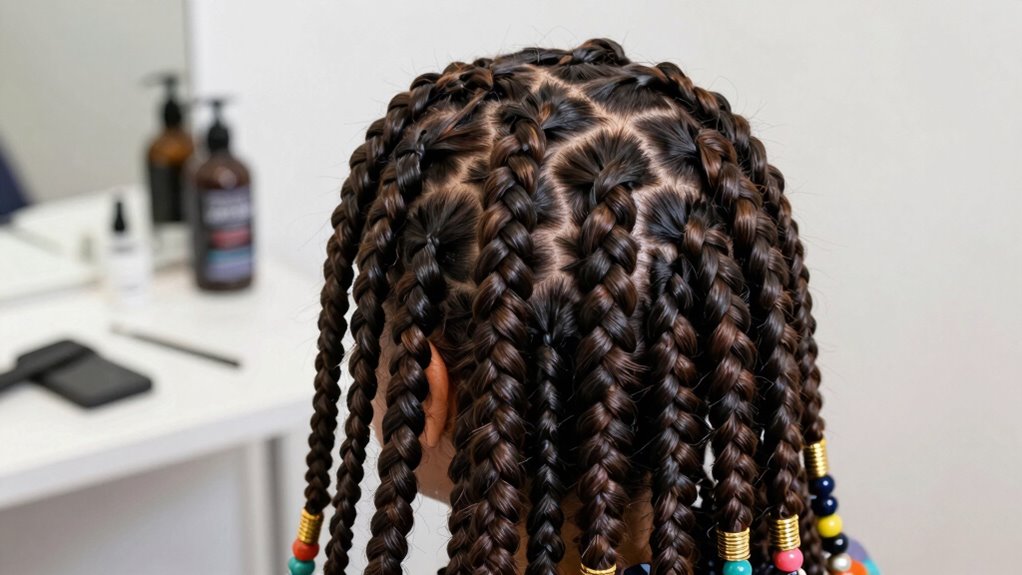
Ever wonder how to keep protective styles looking fresh and healthy longer? Proper maintenance and refresh are key. Regular detangling with gentle tools prevents tangles and reduces breakage, while continued wash days help prevent buildup under styles like braids or wigs. Moisture and hydration are just as important—using scalp oils, serums, and moisturizers keeps the scalp and hair beneath these styles healthy and prevents dryness that can cause damage.
Protecting the ends by tucking them away and trimming dead ends before installing styles supports longevity and healthy growth. Nighttime protection with a satin bonnet or pillowcase minimizes friction, helping styles like twists stay neat longer. Lastly, avoid overly tight styles and refresh or reconfigure every four to five weeks to reduce tension and damage.
7. How to Transition From Protective Styles to Daily Wear
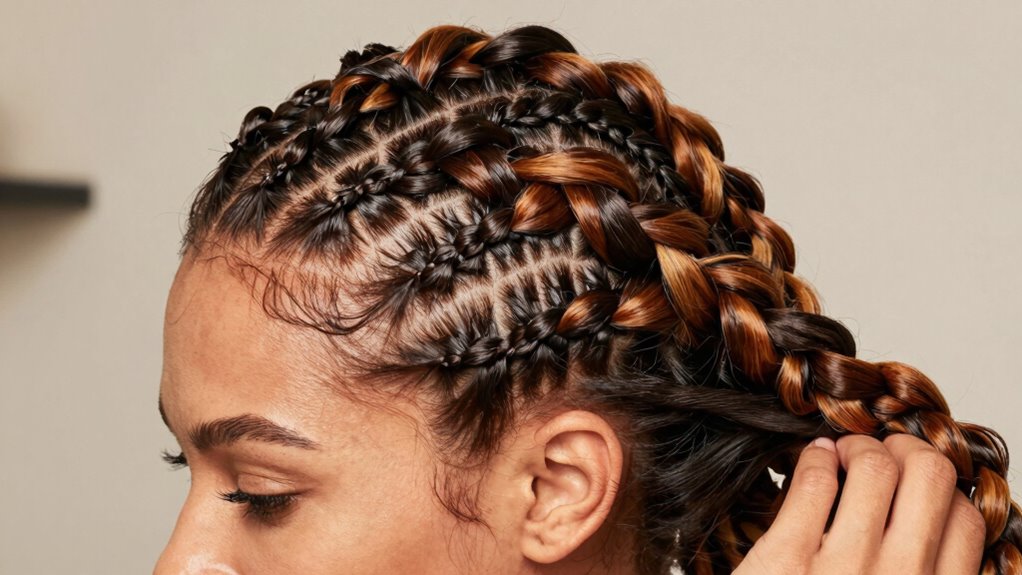
Shifting from protective styles to everyday wear can feel like a delicate dance, but taking it slow makes all the difference.
The transition from protective styles requires patience and gentle steps. Starting with looser, low-tension styles like two-strand twists or loose cornrows helps ease hair back into its natural texture.
Before removing protective hairstyles, thorough detangling and moisture restoration are essential to prevent breakage and restore elasticity.
A light leave-in conditioner and sealing oil can hydrate the hair and lock in moisture, making the transition smoother.
Reintroduce styling gradually with simple, low-manipulation looks such as a wash n’ go or a halo braid.
Remember to keep the scalp healthy by regular cleansing and trims to maintain strong, healthy hair during this gentle process.