
As an Amazon Associate, this website earns from qualifying purchases.
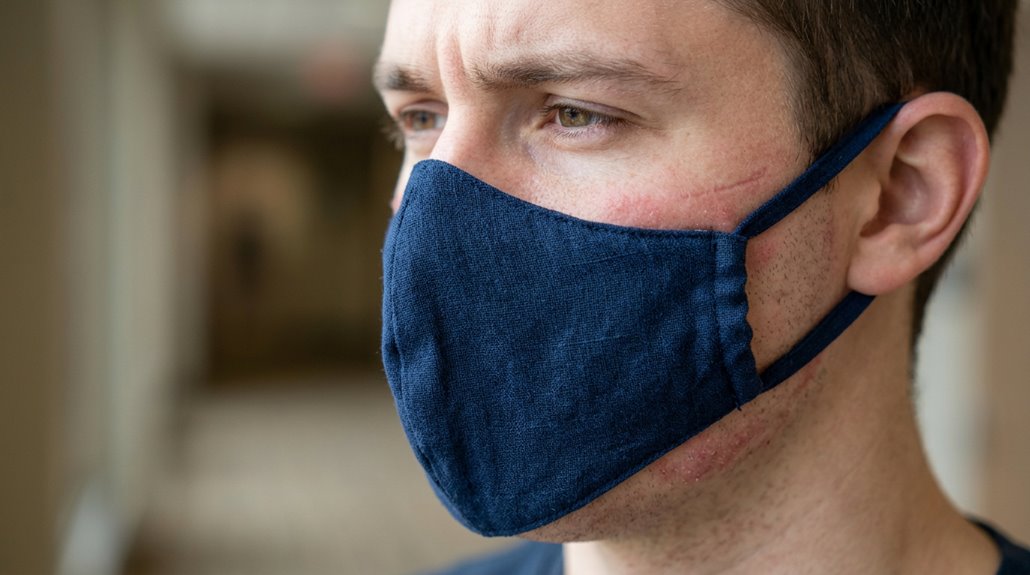
Muzzle masks fit snugly over the face, often causing skin irritation due to moisture, heat, and friction trapped underneath. This environment can lead to issues like maskne, redness, and dermatitis, especially on the nose, cheeks, and chin. To help, choose breathable, natural fabrics like cotton, wash masks regularly, and avoid harsh products. Taking short breaks and using gentle skincare can also help protect skin. To discover more effective tips and treatment options, explore what follows.
What Are Muzzle Masks and Why Do They Cause Skin Problems
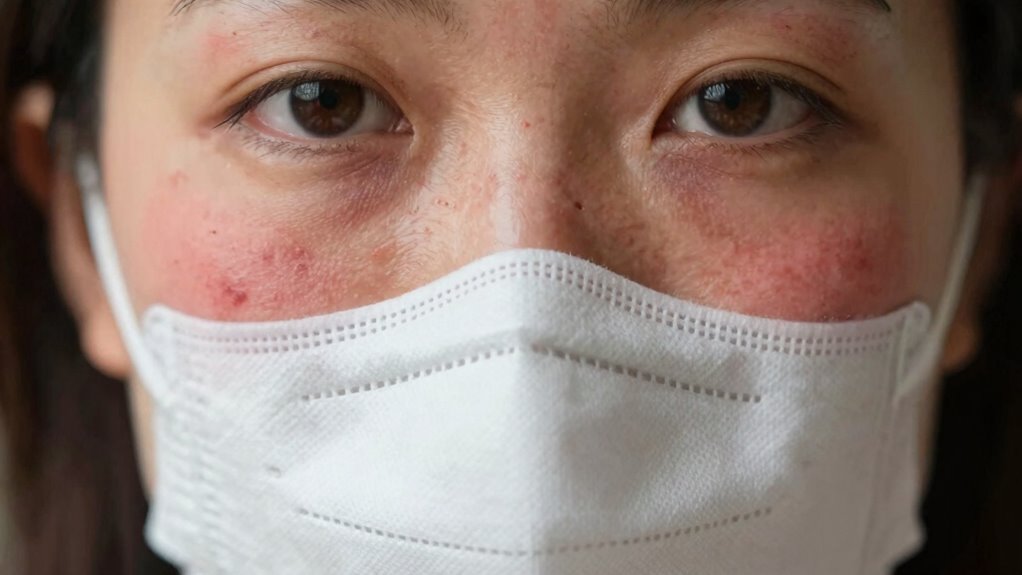
Have you ever wondered why some people develop skin issues after wearing masks that cover the mouth and nose? Muzzle masks, which fit snugly around the face, can cause irritation by trapping heat, humidity, and moisture against the skin. This creates a perfect environment for friction and occlusion dermatitis, a skin condition marked by redness, chafing, or even small cracks.
The areas around the nose, cheeks, and chin are especially vulnerable because they endure the most contact and movement. Material choice also plays a role; rough fabrics or tight straps increase irritation. To prevent these problems, proper mask hygiene is essential. Regular cleaning and ensuring a snug but comfortable fit can minimize skin damage. Good mask habits help protect skin health and reduce irritation.
Common Skin Conditions Linked to Mask Wearing
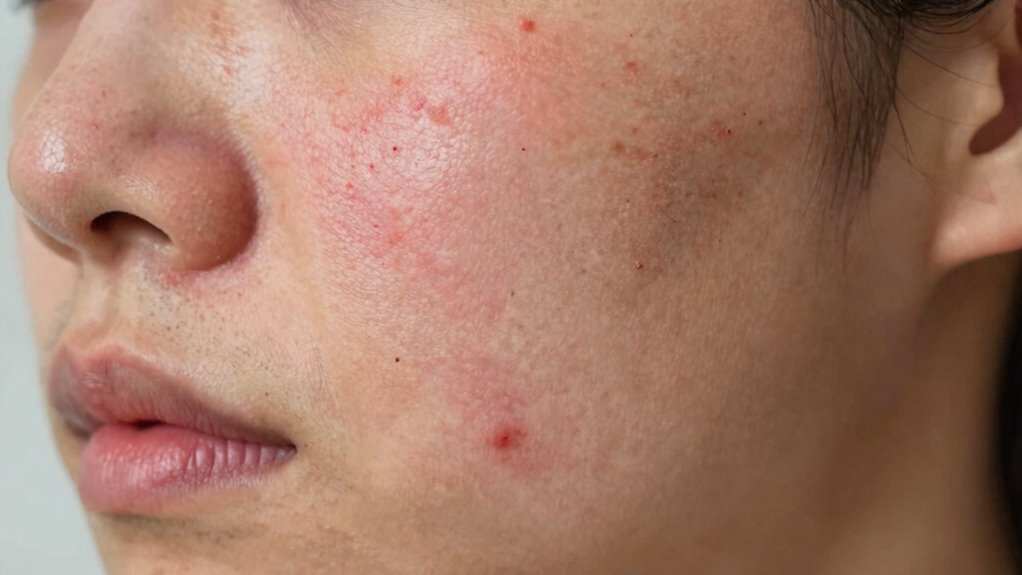
Many people wearing masks might notice skin changes or discomfort after extended use, and these reactions are linked to a variety of common skin conditions. For example, maskne appears as pimples or pustules mainly on the chin, cheeks, and nasal bridge because of trapped oil, sweat, and bacteria. Perioral dermatitis shows up as red, bumpy patches around the mouth and nose, often sparing the lips. Irritant contact dermatitis results from mask materials or straps, causing redness and irritation where the mask touches the skin.
Here’s a quick look:
| Condition | Description |
|---|---|
| Maskne | Pimples and breakouts in mask-covered areas |
| Perioral dermatitis | Red, bumpy patches around the mouth and nose |
| Irritant contact dermatitis | Redness and irritation from mask materials |
Understanding these conditions helps in choosing better masks and skincare routines.
How Mask Use Contributes to Acne, Irritation, and Dermatoses
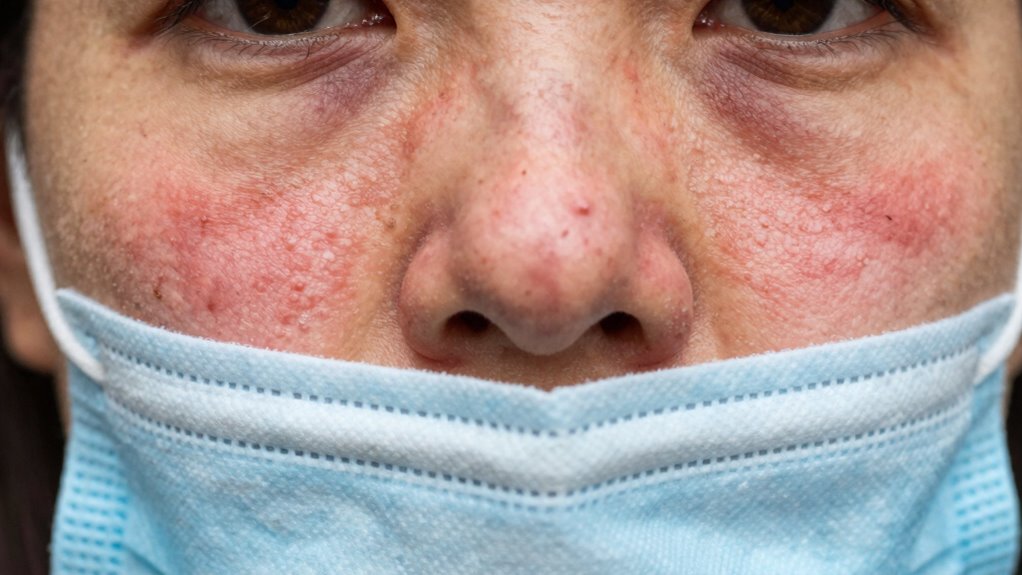
Wearing masks for extended periods can do more than just serve as a barrier against germs; it can also influence the skin’s health in various ways. The warm, humid environment under the mask encourages oil, sweat, and bacteria buildup, leading to maskne, especially on the chin, cheeks, and nose. Friction from mask rubbing and strap pressure can cause irritation and chafing, creating raw spots and inflammation. Limited airflow and moisture change the skin’s natural microbiome, allowing germs like Staphylococcus aureus to grow. Prolonged use can worsen existing dermatoses such as rosacea and irritant dermatitis.
Maskne develops from clogged pores and bacteria buildup. Friction causes irritation and raw skin. Humidity promotes microbial growth. Existing skin conditions may worsen with mask wear.
Recognizing the Signs of Mask-Related Skin Issues
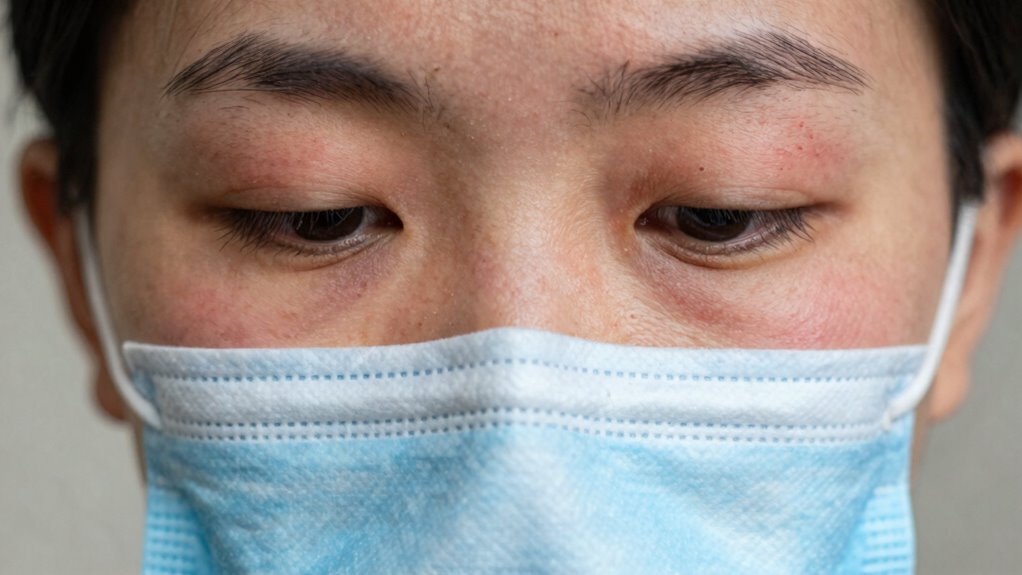
How can someone tell if their skin problems are related to mask wearing? Early signs of mask-related issues include redness, small pimples called maskne, or irritation in areas where the mask contacts the skin. You might also notice tenderness, warmth, or even cracks and crusts if the problem worsens. Friction from the mask rubbing can cause chafing, leading to exposed, raw skin. Sometimes, irritation worsens if detergents or mask fabrics contain chemicals, especially for those with skin conditions like eczema or psoriasis.
Here’s a quick look:
| Symptom | Possible Cause |
|---|---|
| Redness and papules | Maskne or irritation from friction |
| Tenderness and warmth | Inflammation or dermatitis |
| Cracks or crusts | Severe irritation or dermatitis |
Recognizing these signs early helps in managing skin health before issues escalate.
Effective Strategies to Prevent Mask-Induced Skin Damage
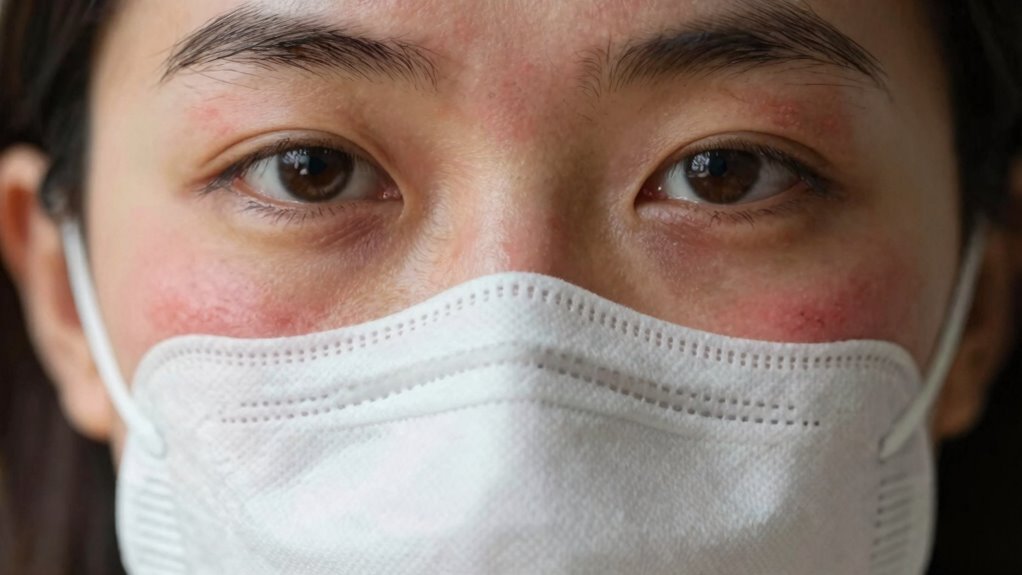
Have you ever wondered how to keep your skin healthy while wearing a mask regularly? Preventing mask-induced skin problems starts with simple but effective strategies. First, choosing a snug yet comfortable mask with soft cotton inner layers helps reduce muzzle mask friction, lowering irritation.
Second, practicing good under-mask skincare by avoiding strong irritants or fragrances can prevent breakouts.
Third, applying a fragrance-free moisturizer immediately after cleansing keeps the skin barrier strong and hydrated.
Fourth, minimizing under-mask makeup and avoiding harsh exfoliation or new products during mask-wearing periods further protects the skin.
Regularly washing cloth masks with fragrance-free detergent and giving the skin breaks from mask wear also help reduce friction and moisture buildup, ensuring healthier skin even with daily mask use.
Best Skincare Practices for Mask Wearers
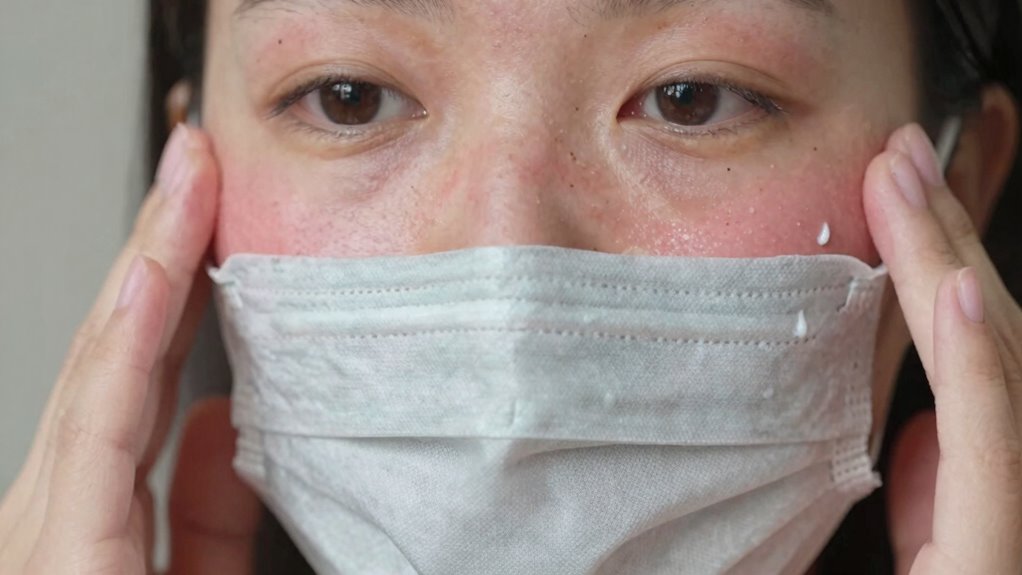
Many people wonder how to keep their skin healthy and comfortable while wearing masks regularly. To prevent issues like skin irritation and maskne, proper skincare is essential. Using a gentle, fragrance-free cleanser and a non-comedogenic moisturizer helps maintain skin balance. Applying a thin layer of petroleum jelly on lips and affected areas before masking creates a protective barrier.
It’s best to avoid makeup under the mask to prevent pore clogging. Choosing breathable, snug-fitting masks, preferably cotton, and rotating or cleaning them frequently reduces irritation.
| Tip | Explanation | Benefit |
|---|---|---|
| Gentle cleansing | Remove dirt without stripping skin | Prevents breakouts and irritation |
| Moisturize immediately | Locks in hydration after washing | Reduces dryness and irritation |
| Use breathable masks | Cotton masks promote airflow | Less friction and maskne |
| Apply protective ointments | Shields skin from friction and moisture buildup | Minimizes skin irritation |
Treatments for Mask-Related Skin Conditions: When to See a Dermatologist
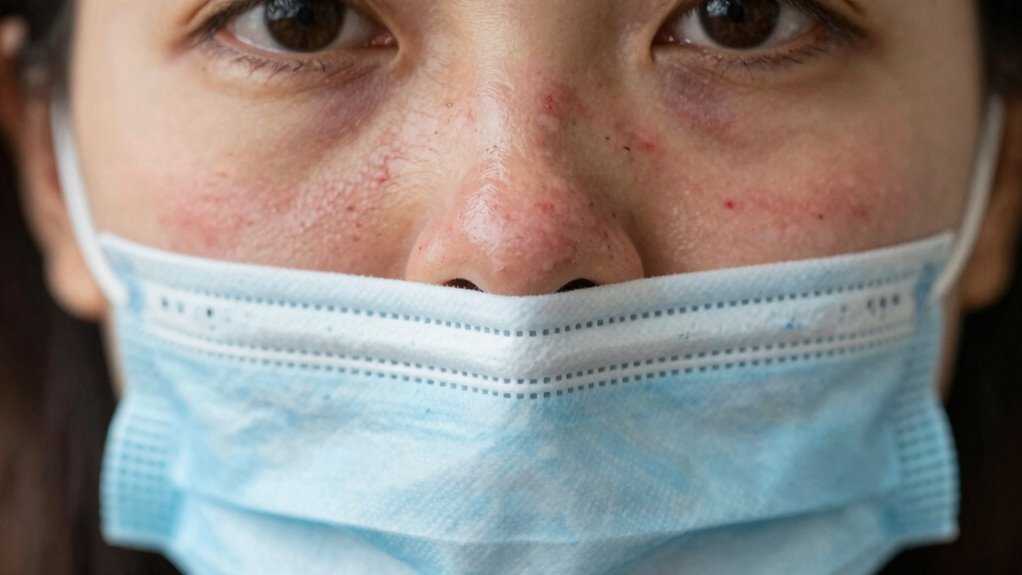
Persistent skin issues caused by mask-wearing can be frustrating, especially when they don’t improve after trying basic skincare steps. When problems persist beyond 2–4 weeks or worsen, consulting a dermatologist is essential. They can evaluate skin reactions to a therian muzzle mask or other mask types, ensuring proper treatment.
Consider professional advice for resistant conditions like rosacea or impetigo. Use gentle cleansers and non-comedogenic moisturizers under expert guidance. Explore targeted therapies such as benzoyl peroxide or salicylic acid.
If irritation or new rashes develop, a dermatologist can adjust the mask fit or recommend specific treatments. For those invested in muzzle aesthetic, a healthcare professional can help balance mask style and skin health, ensuring comfort and skin protection.
Medical Procedures to Improve Severe Mask-Related Skin Damage
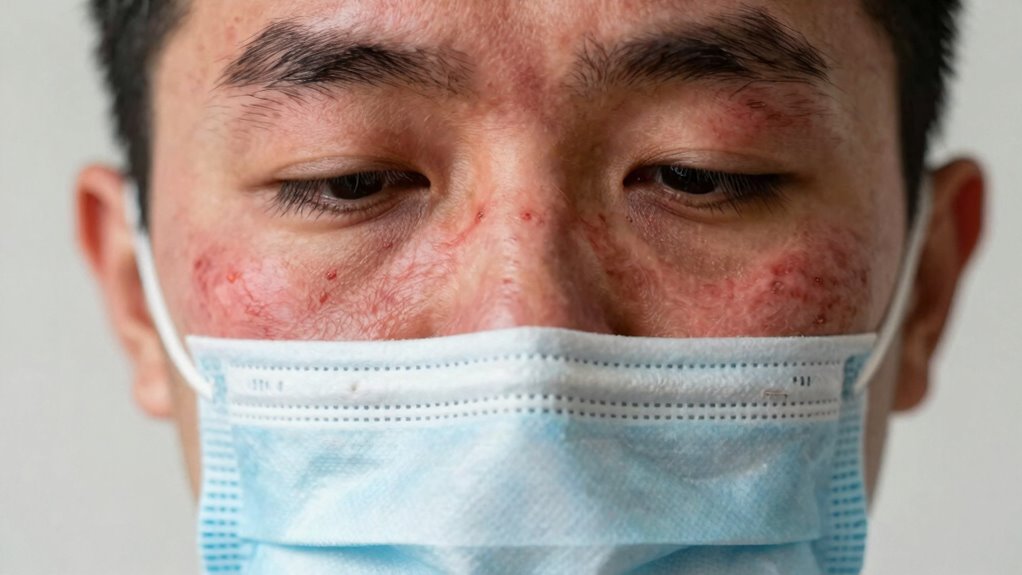
When mask-related skin damage becomes more severe, simple skincare routines may no longer be enough to repair the skin. In such cases, dermatologists may recommend medical procedures. Laser therapy is common; it helps remodel scars caused by acne or other damage and stimulates collagen, the protein that keeps skin firm.
Chemical peels remove the damaged outer layer of skin, promoting faster renewal and a smoother appearance. For persistent scars or inflammation, both ablative and non-ablative laser treatments target deep or surface skin layers to improve texture and reduce redness.
Before any procedure, a dermatologist assesses the individual’s skin type, mask exposure history, and ongoing treatments to prevent further irritation or infection. The main goal is to reduce scars, lessen lesions, and restore the skin’s barrier, so it can better tolerate mask-wearing.
Choosing the Right Masks and Materials to Protect Your Skin
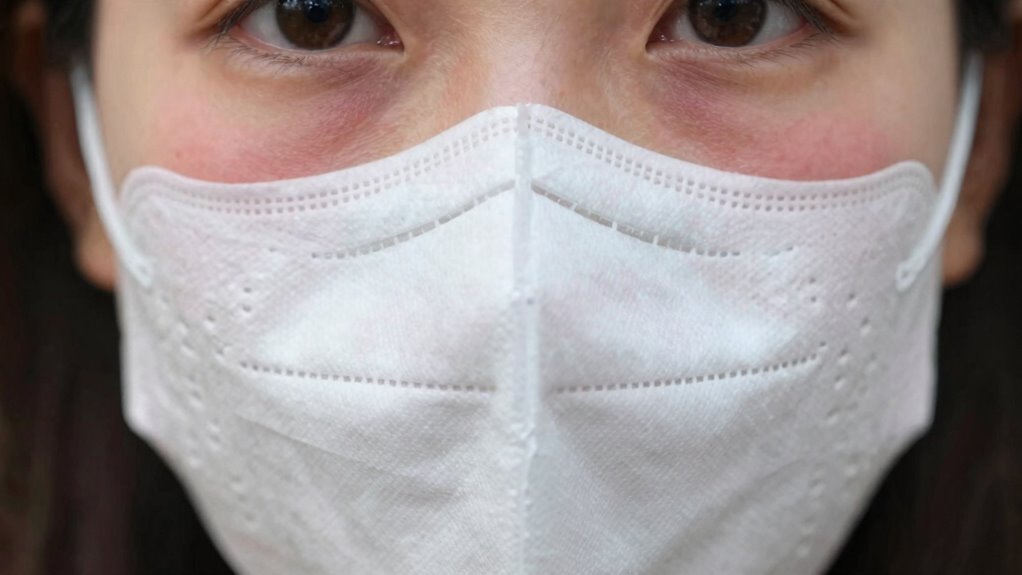
Choosing the right mask and materials is essential for protecting the skin beneath while still maintaining safety. The best options are snug, comfortable masks made from soft, breathable fabrics like cotton, which help reduce friction and moisture buildup on the nose, cheeks, and chin. It’s important to choose masks that fit well, avoiding gaps and shifting so they seal properly without needing constant readjustment.
Natural fibers, especially tightly woven ones, are gentler on sensitive skin, unlike synthetic materials such as nylon or polyester, which can cause irritation over time. For long wear, rotating masks, washing cloth ones in fragrance-free detergent, and replacing worn or ill-fitting masks ensures ongoing skin health. Balancing airflow and humidity control helps prevent microbial growth and skin irritation.
Tips for Maintaining Healthy Skin During Prolonged Mask Use
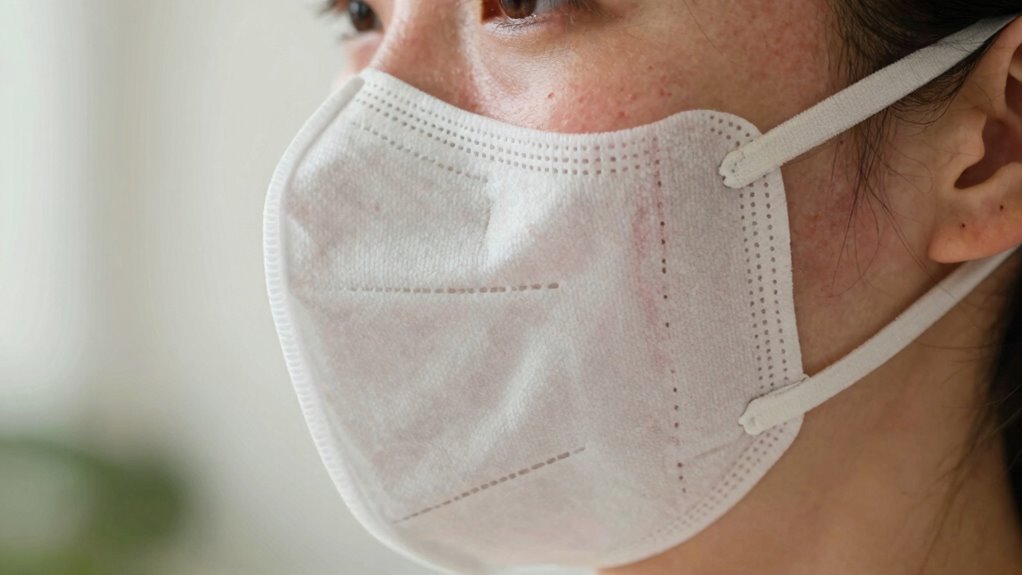
Ever wonder how to keep skin healthy while wearing a mask for hours? The key is to create a gentle routine that protects your skin’s barrier. First, choose fragrance-free cleansers and moisturizers—these are less likely to cause irritation. Look for products with ceramides, hyaluronic acid, or dimethicone to help lock in moisture and soothe skin.
It’s also smart to wear breathable, natural fiber masks, like cotton, and ensure they fit snugly but comfortably. Taking short breaks to air out your skin when possible can reduce heat and sweat buildup. Minimize makeup under the mask, and if you need sun protection, opt for mineral-based sunscreens.
Finally, keep masks clean. Wash cloth masks regularly and replace disposables when soiled to prevent bacteria from thriving.