
As an Amazon Associate, this website earns from qualifying purchases.
For glowing skin, it’s best to mix natural ingredients into simple DIY masks. Examples include honey and yogurt for hydration and radiance, oatmeal and banana for smoothing, green tea or matcha for antioxidants, and cinnamon or turmeric for gentle exfoliation or brightening. Applying these is easy—just blend, patch-test, and spread evenly for about 15-20 minutes. Small tweaks can suit different skin types, helping you glow naturally. Keep exploring for more tips to perfect your glow.
1. Discover the Benefits of DIY Face Masks for Glowing Skin
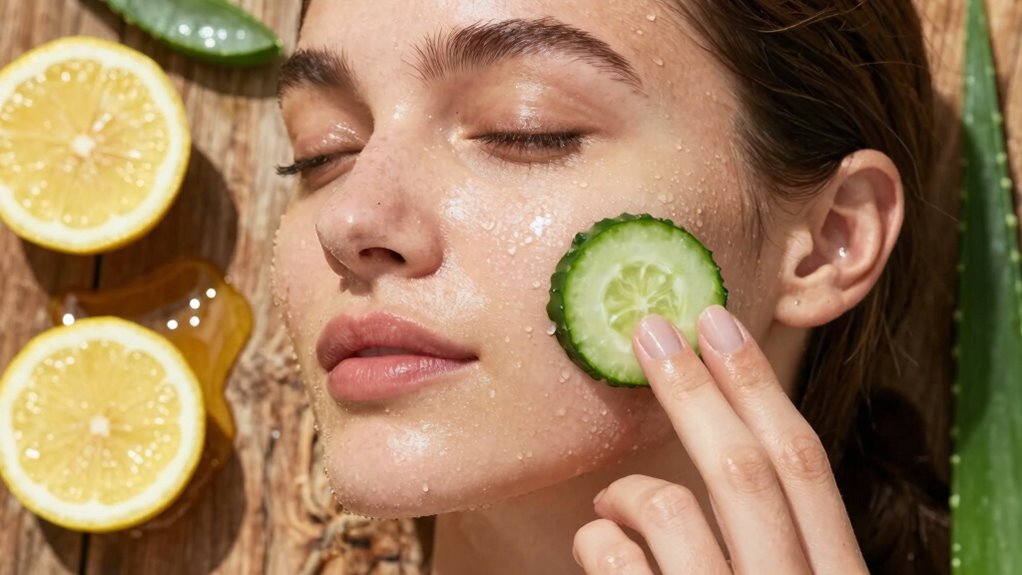
Have you ever wondered how some people achieve that natural, radiant glow? DIY face masks might be the secret. Ingredients like Manuka honey are known for their deep hydration and antibacterial properties, helping to brighten dull skin.
When combined with gentle exfoliants such as brown sugar or oats, these masks can remove dead skin cells and reveal a smoother, more luminous complexion.
Plus, antioxidants from green tea or matcha provide protective benefits, fighting free radicals that cause aging. Using a mask with Manuka honey not only hydrates but also promotes skin renewal.
Regularly incorporating these natural ingredients into a skincare routine can boost radiance and improve overall skin health.
DIY masks are simple, affordable, and customizable, making them a popular choice for achieving that sought-after glow.
2. How to Choose Natural, Skin-Friendly Ingredients for Your Masks
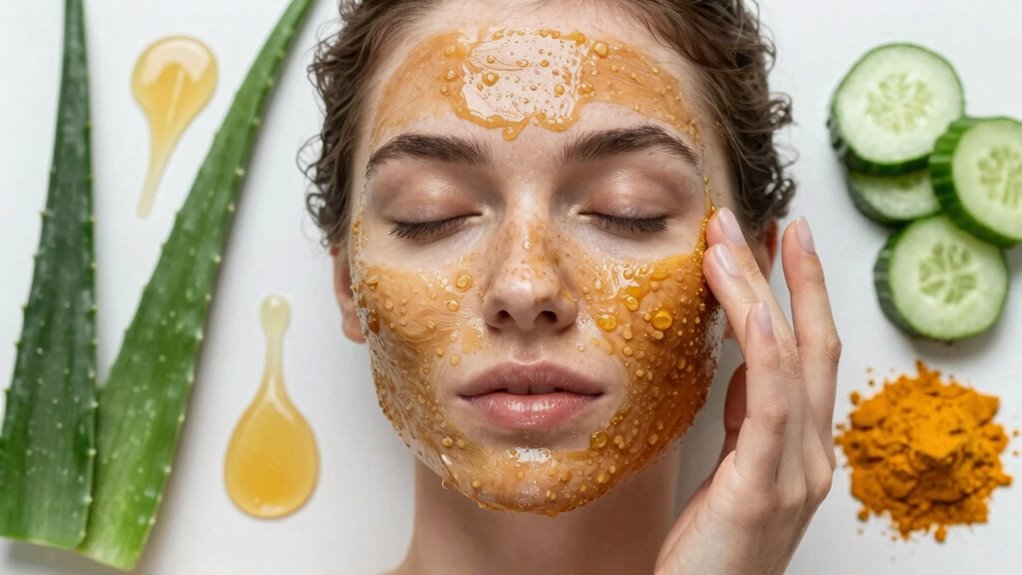
Choosing the right natural ingredients for face masks isn’t as simple as grabbing whatever looks appealing. It requires understanding what suits your skin type and avoiding potential irritants. Some natural ingredients, like lemon juice or cinnamon, can cause skin sensitivity or discoloration. It’s important to patch-test—apply a small amount behind the ear and wait 15 minutes, then observe for 24 hours before full use. Dairy-based options can offer benefits but should be used cautiously and tested first.
Here’s a quick guide:
| Ingredient Type | Caution/Recommendation |
|---|---|
| Aloe and soothing herbs | Patch-test to prevent irritation from overstimulation. |
| High-acidity items | Avoid lemon juice and vinegar for sensitive skin. |
| Spices (turmeric, cinnamon) | Use cautiously—they may irritate or stain skin. |
| Dairy products | Test first; watch for reactions due to skin sensitivity. |
| Natural oils | Generally safe, but patch-test if unsure. |
3. Step-by-Step Guide to Making and Applying Your Favorite Masks
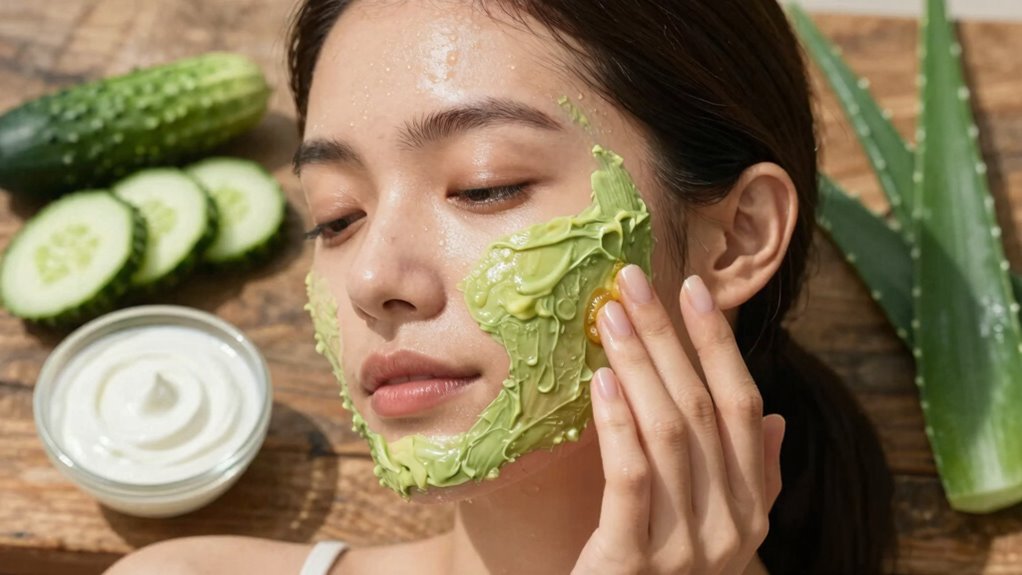
Ever wonder how to turn simple kitchen ingredients into a soothing, glowing skin mask? Creating a mask starts with choosing hydrating ingredients like honey, yogurt, or avocado, which nourish the skin deeply. To prepare, mix these with water or gentle liquids until you get a smooth paste.
For exfoliating benefits, add small amounts of spices like cinnamon, turmeric, or cocoa—just be cautious and test your skin first. Before applying, perform a patch test behind the ear to check for irritation. Use a small amount of your mask, spreading it evenly in a thin layer over your face.
If exfoliating spices are included, gently massage the mask in circular motions. Leave it on for 10–20 minutes, then rinse with lukewarm water and follow with moisturizer to lock in hydration.
4. Tips for Enhancing Results and Avoiding Common Mistakes
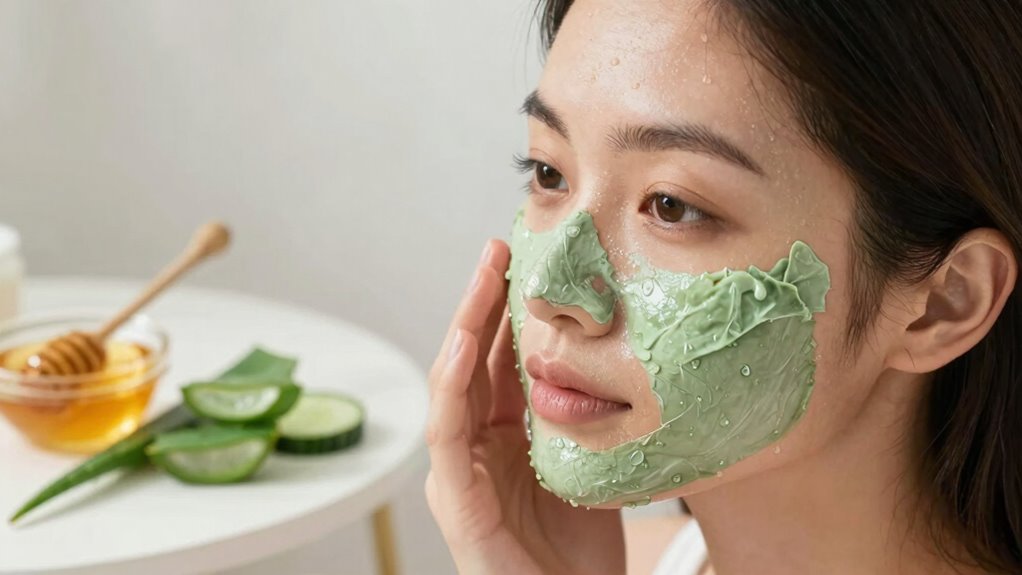
Many people wonder how to get the best results from their homemade face masks, and a few simple tips can make a big difference. For example, trying different mask ideas, such as those inspired by therian mask designs, can add fun and effectiveness to skincare routines.
Before applying any mask, it’s wise to patch-test behind the ear for 15 minutes and observe for 24 hours, preventing unwanted reactions. Avoid high-acidity ingredients like lemon juice and colored spices like turmeric, which can irritate or stain skin. Use fresh mixtures rather than preparing large batches to reduce bacteria. If using dairy-based ingredients, test each component first, and consider raw honey for antioxidants. Following these mask ideas and tips will help achieve glowing skin while avoiding common mistakes.
5. Customizing Your Masks for Different Skin Types and Concerns
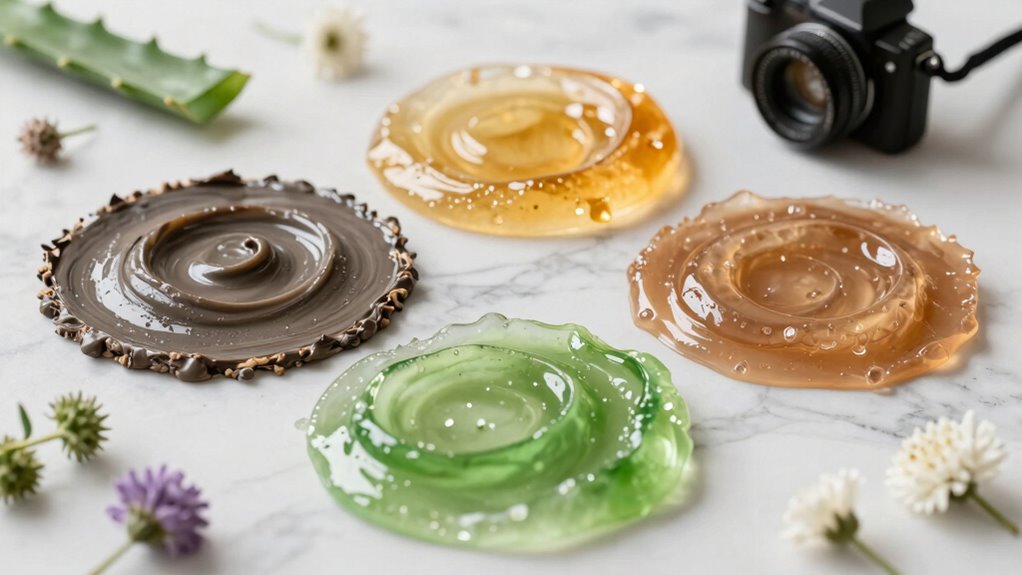
Customizing your masks for different skin types and concerns can make a real difference in achieving healthy, glowing skin. For example, dry or sensitive skin benefits from soothing ingredients like oatmeal, aloe, yogurt, or avocado, which calm irritation and hydrate deeply. After masking, applying a moisturizer helps lock in moisture.
Acne-prone skin may respond well to masks with antibacterial ingredients like Manuka honey, and a charcoal detox can help draw out impurities. For sensitive or irritated skin, ingredients like green tea, matcha, and aloe soothe inflammation, but it’s best to avoid strong acids like lemon juice or turmeric in high amounts.
It’s wise to patch-test new masks behind the ear for 15 minutes, then observe for 24 hours. Starting with once a week and gradually increasing helps maintain balance and prevent over-exfoliation.