

As an Amazon Associate, this website earns from qualifying purchases.
To reduce acne, dermatologists recommend several practical steps. Proper skin cleansing is key—using gentle, non-abrasive cleansers with fingertips helps keep pores clear and prevents dirt and oil buildup. Choosing non-comedogenic, alcohol-free products protects the skin’s barrier. Managing hair to avoid transferring oil to the forehead, maintaining consistent treatment routines like applying retinoids, and protecting skin from the sun also matter. Healthy lifestyle habits and seeking professional help when needed further improve results; explore these tips for clearer skin.
How Does Proper Skin Cleansing Reduce Acne?
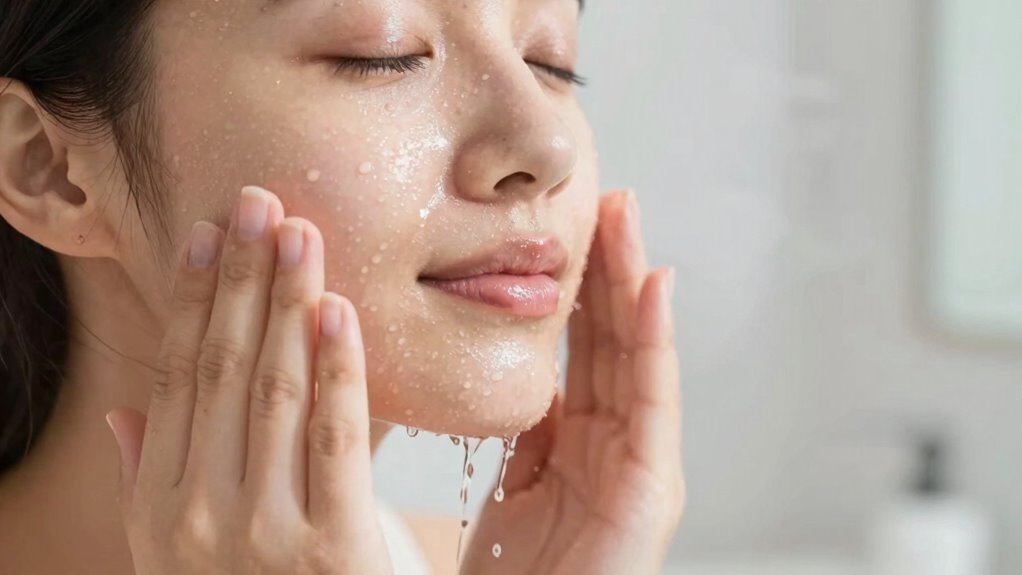
Ever wonder how something as simple as washing your face can make a big difference in clearing up acne? Proper cleansing helps keep pores clear of excess oil, dirt, and dead skin that can clog them, leading to breakouts. When pores are blocked, oil and bacteria can build up, fueling inflammation and causing pimples. Using gentle, non-abrasive cleansers ensures you remove impurities without irritating the skin or worsening inflammation. It’s important to use fingertips, avoiding harsh scrubbing tools that can damage the skin’s barrier.
Rinsing thoroughly is key; residue left behind can clog pores or cause further irritation. Choosing alcohol-free cleansers helps maintain the skin’s natural barrier, reducing flare-ups. Regular, gentle cleansing is a simple yet effective step toward clearer, healthier skin.
Choosing Gentle and Effective Skincare Products
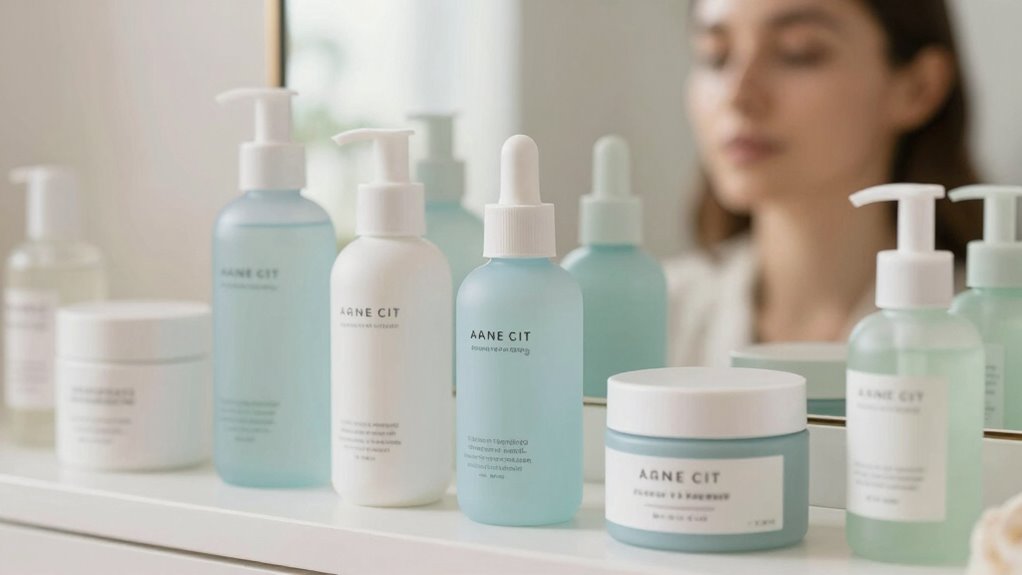
When selecting skincare products for acne-prone skin, choosing gentle and effective options is essential for preventing further breakouts and irritation. Using gentle cleansers helps remove dirt and excess oil without stripping the skin’s natural moisture. It’s best to apply cleansers with fingertips, avoiding scrubbing or washcloths that can irritate the skin. Look for products labeled non-comedogenic, meaning they won’t clog pores, and choose alcohol-free formulas to reduce dryness.
Oil-free moisturizers are ideal because they hydrate without adding excess oil, supporting skin healing. Additionally, selecting makeup and sunscreens labeled non-comedogenic ensures they won’t worsen acne. Here’s a helpful guide:
| Product Type | Key Feature | Purpose |
|---|---|---|
| Gentle cleanser | Non-abrasive, alcohol-free | Clean skin without irritation |
| Moisturizer | Oil-free, non-comedogenic | Keep skin hydrated without clogging pores |
| Sunscreen | Water-resistant, non-comedogenic | Protect skin daily from UV rays |
How Hair Management Prevents Forehead Breakouts
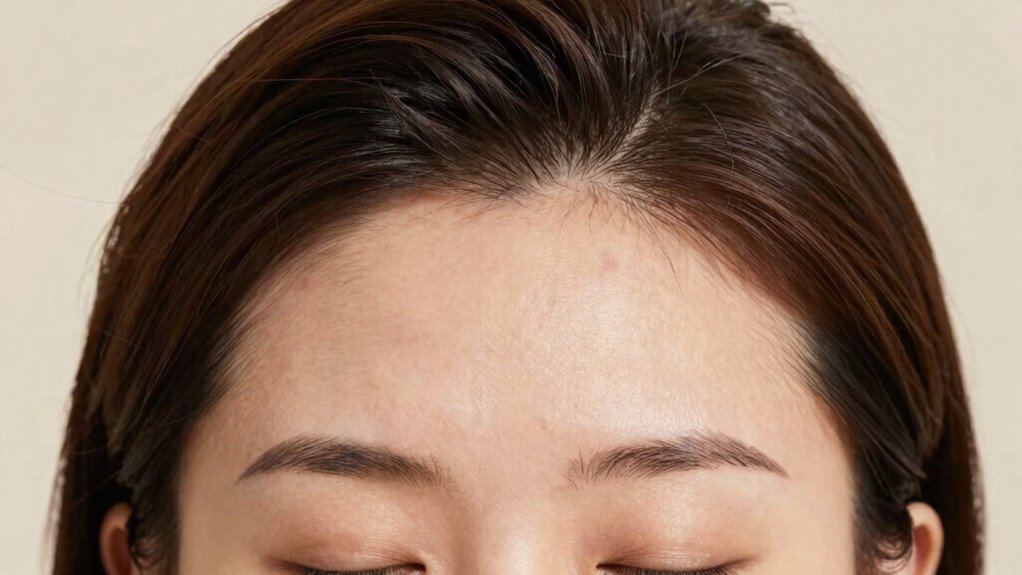
Have you ever noticed how greasy hair or heavy styling products can lead to breakouts on the forehead? This is because excess oil from the scalp can transfer onto your skin, clogging pores and causing forehead acne. Effective hair management involves keeping hair clean and away from the face, especially if your hair tends to be oily. Washing hair more frequently helps control scalp oil and prevents it from spreading overnight.
Using non-greasy hair products and avoiding heavy gels or pomades near the hairline can also make a big difference. Regular shampooing not only keeps hair fresh but reduces irritation around the forehead, supporting clearer skin. Good scalp and oil control is a simple but powerful step in preventing forehead breakouts and maintaining overall skin health.
The Importance of Consistent Acne Treatment and Follow-Up
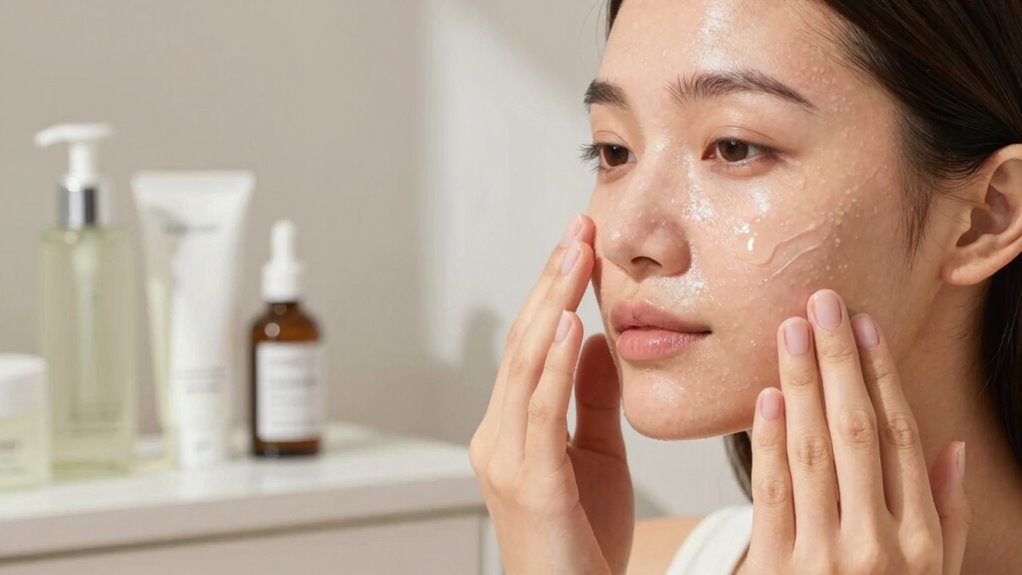
Consistency in acne treatment plays a vital role in achieving clear skin, yet many people underestimate how important it is to stick with a plan over time.
A dermatologist-guided regimen often requires patience, as most therapies like retinoids or benzoyl peroxide take weeks or months to show results.
Changing treatments too often can irritate the skin and delay progress.
Regular follow-up appointments are essential; they help dermatologists adjust the plan based on how the skin responds, making treatments more effective.
Keeping a daily routine journal, noting side effects, and preparing questions about treatment duration or adjustments can make follow-up more productive.
Ultimately, staying consistent and maintaining open communication with a dermatologist can reduce the risk of scarring and lead to healthier, clearer skin.
Protecting Your Skin From Sun Damage While Treating Acne
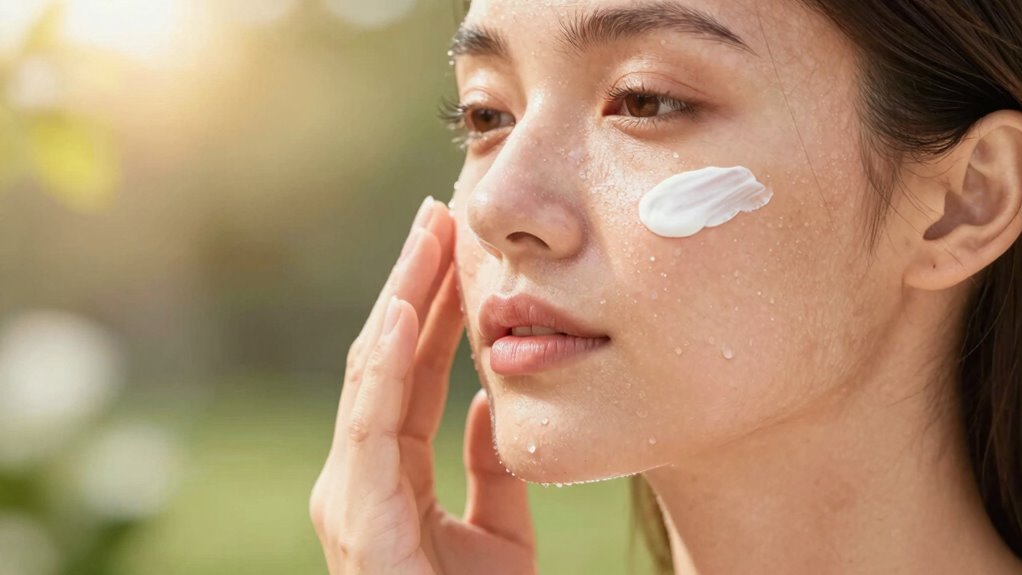
Ever wondered how to protect your skin from sun damage while fighting acne? It’s essential to be proactive, especially since some acne medications can make skin more sensitive to sunlight. Here are three important steps:
- Apply a broad-spectrum sunscreen SPF 30+ daily, this shields your skin from harmful UV rays. Look for a non-comedogenic, oil-free sunscreen labeled for face to avoid clogging pores.
- Seek shade and wear sun-protective clothing, especially during peak hours, to reduce exposure and prevent dark spots caused by acne scars.
- Reapply sunscreen every two hours if outdoors, and more often if swimming or sweating, to keep your skin consistently protected.
Lifestyle Habits That Help Minimize Acne Flare-Ups
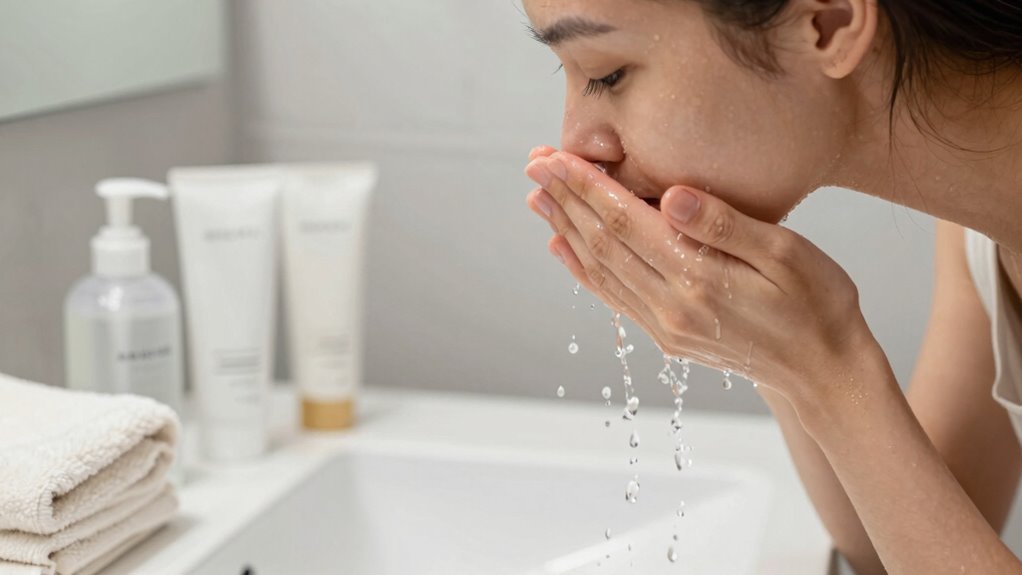
Making small adjustments to daily habits can notably reduce the chances of acne flare-ups. Incorporating clear skin tips into an acne routine is easier when habits support skin health. For example, maintaining a consistent twice-daily gentle cleansing routine with a mild cleanser helps reduce irritation and boosts treatment effectiveness.
Minimizing face touching and ensuring hands are clean prevents bacteria and oil from transferring to the skin, which can worsen breakouts. Using oil-free, non-comedogenic moisturizers and sunscreens daily keeps skin protected without clogging pores. Additionally, keeping hair away from the face, washing it regularly, and managing forehead oils can help reduce forehead acne.
Lastly, prioritizing stress management, getting enough sleep, and maintaining a balanced diet with fewer high-glycemic foods can positively influence your skin’s health, preventing unnecessary flare-ups.
When and Why to Seek Professional Acne Care

When should someone consider seeking professional acne care? If over-the-counter products or self-care routines haven’t cleared your skin, it’s time to see a dermatologist. Professional care is essential when acne persists, worsens, or causes emotional distress because everyone deserves to be acne free.
Here are three key reasons to seek help:
- Your acne is severe or worsening, risking permanent scars or lasting self-esteem impacts.
- Home treatments aren’t working, and your skin needs personalized guidance and prescription options.
- You’re considering powerful medications, like isotretinoin, which require careful monitoring for safety and effectiveness.
Early professional care can make a real difference, helping you achieve clearer skin and confidence sooner. Remember, timely treatment is a step toward an acne-free life.
Tips for Supporting Skin Healing and Preventing Scarring
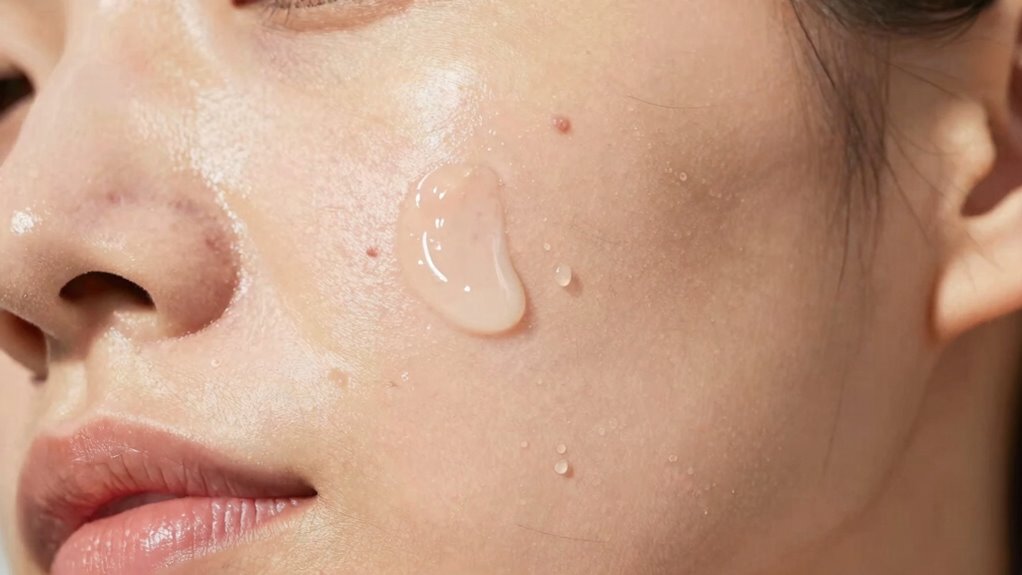
How can someone support skin healing and prevent scars after an acne breakout? The key is to avoid picking or popping pimples, as doing so can increase inflammation and lead to scarring. Instead, use a gentle cleansing routine—wash twice daily with a mild cleanser, and avoid scrubbing with rough washcloths, which can irritate the skin further.
Protect the skin by applying broad-spectrum sunscreen SPF 30+ every day, even when it’s cloudy, to prevent hyperpigmentation and discoloration. Consider non-comedogenic makeup that won’t clog pores. Maintaining a consistent treatment plan, such as using benzoyl peroxide or retinoids, allows skin to heal gradually.
Additionally, keep hair away from the face, wash it regularly, and change pillowcases weekly to reduce oil and dirt that can worsen acne.