
As an Amazon Associate, this website earns from qualifying purchases.
Choosing the right salicylic acid cleanser depends on skin type and needs. For oily or acne-prone skin, a formula with around 2% SA works well to unclog pores. Dry or sensitive skin benefits from gentler, lower concentrations, like 1-2%, to avoid irritation. Find products with a pH around 4.5–5.5 and supportive ingredients like glycerin or niacinamide for added soothing. Exploring these tips will help you pick a cleanser that balances your skin perfectly.
Why Choosing the Right Salicylic Acid Cleanser Matters for Your Skin
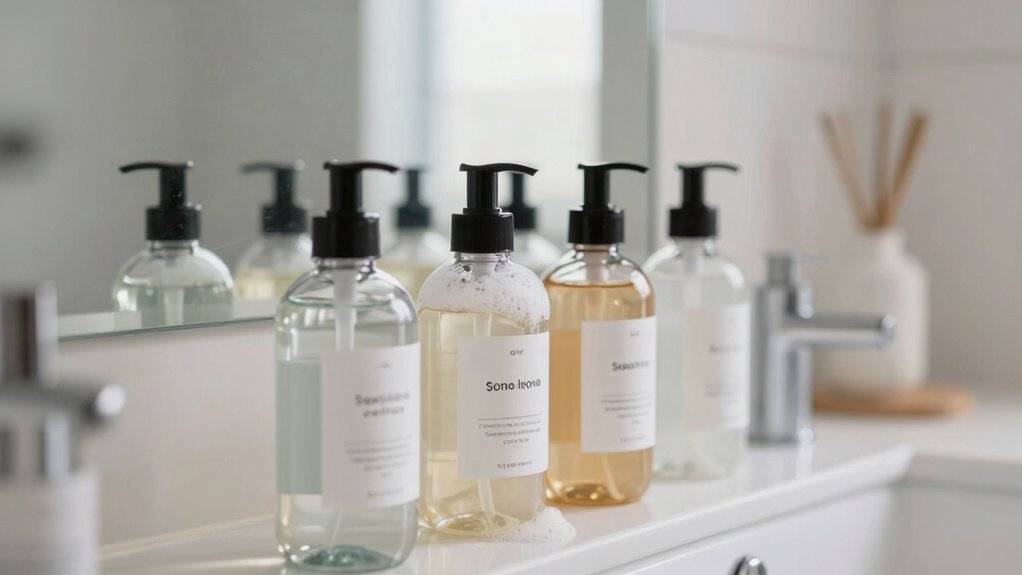
Ever wonder why choosing the right salicylic acid (SA) cleanser makes such a difference? The key lies in salicylic acid concentration, which varies based on your skin’s needs. For oily or acne-prone skin, a gentle cleanser with about 2% SA is often recommended, balancing effectiveness without over-drying. Skin type compatibility is crucial—dry or sensitive skin benefits from lower concentrations or formulas that include hydrating ingredients like glycerin or hyaluronic acid.
Additionally, a barrier-friendly formulation, with a pH around 4.5 to 5.5, helps maintain the skin’s natural protective layer. Picking the right cleanser means supporting your skin’s health, preventing irritation, and promoting clear pores. When used correctly, it becomes a vital step in a routine that keeps skin balanced, healthy, and less prone to breakouts.
Understanding Your Skin Type and Its Needs for Salicylic Acid
Understanding your skin type is a helpful step in choosing the right salicylic acid cleanser. Knowing whether your skin is oily, dry, sensitive, or a mix helps determine the ideal salicylic acid concentration and formulation.
For example, oily or acne-prone skin often benefits from a cleanser with around 2% salicylic acid, which helps dissolve sebum and clear clogged pores. Conversely, dry or sensitive skin should opt for gentler, lower concentrations to avoid irritation or over-drying.
Combination skin needs a balanced approach, targeting oil at the T-zone while treating drier areas delicately. Remember, skin type can change over time due to factors like age or stress, so regular reassessment ensures your salicylic acid needs stay aligned with your skin’s evolving needs.
Key Ingredients to Look for in a Salicylic Acid Cleanser
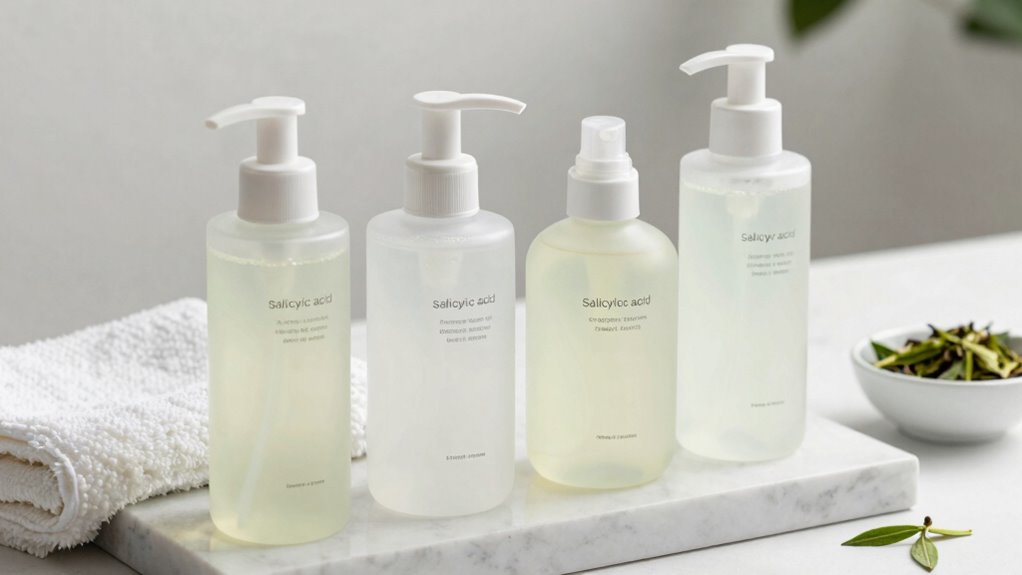
When choosing a salicylic acid cleanser, paying attention to key ingredients can make a big difference in how well it works for the skin. Look for cleansers with a salicylic acid percentage of 1–2%, which is generally safe for daily use, especially for oily or acne-prone skin. These formulations should have a balanced pH around 4.5–5.5 to help keep the skin barrier healthy while unclogging pores.
Supporting ingredients like niacinamide, zinc, glycerin, or hyaluronic acid are helpful because they soothe the skin, reduce irritation, and lock in moisture. It’s best to choose fragrance-free and non-comedogenic options, which minimize irritation and won’t clog pores. These thoughtful ingredient choices can make your cleansing routine both effective and gentle.
How to Select a Salicylic Acid Concentration Suitable for Your Skin
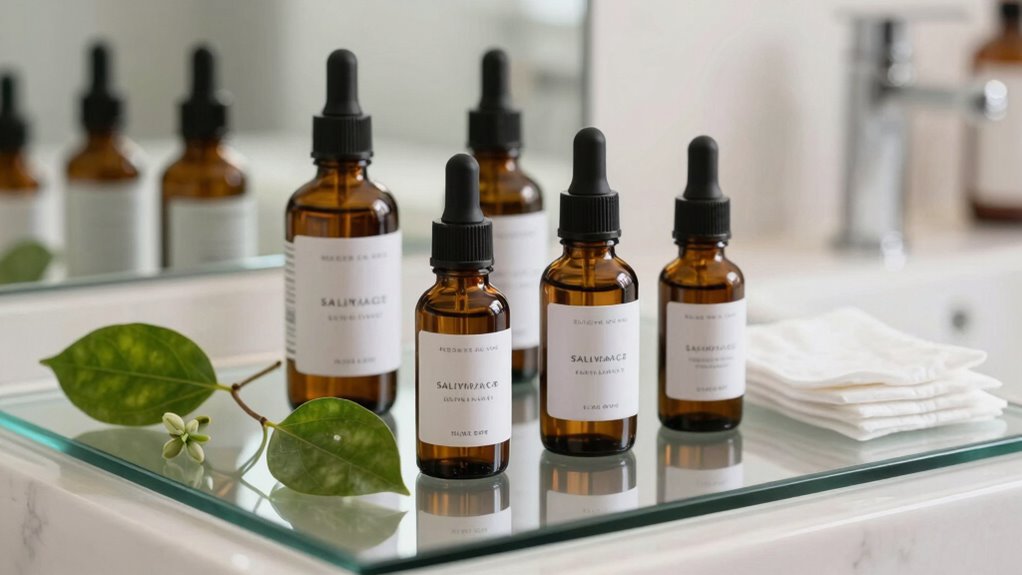
Choosing the right salicylic acid (SA) concentration depends largely on individual skin needs and how the skin reacts to exfoliating ingredients. For oil-prone skin, a 2% salicylic acid cleanser is usually recommended, as it effectively clears pores without causing excessive irritation. Higher concentrations don’t necessarily boost cleansing power and might lead to dryness or redness.
Consider these points:
- If skin feels dry or sensitive, start with a lower concentration, around 1-2%, to prevent over-drying.
- For stubborn acne, a 2% SA cleanser offers good product compatibility without risking irritation.
- When combining SA with other products, keep the SA level around 2% to avoid over-exfoliating.
Always choose formulas with a balanced pH and gentle ingredients to support healthy, clear skin.
Common Mistakes to Avoid When Using Salicylic Acid Cleansers
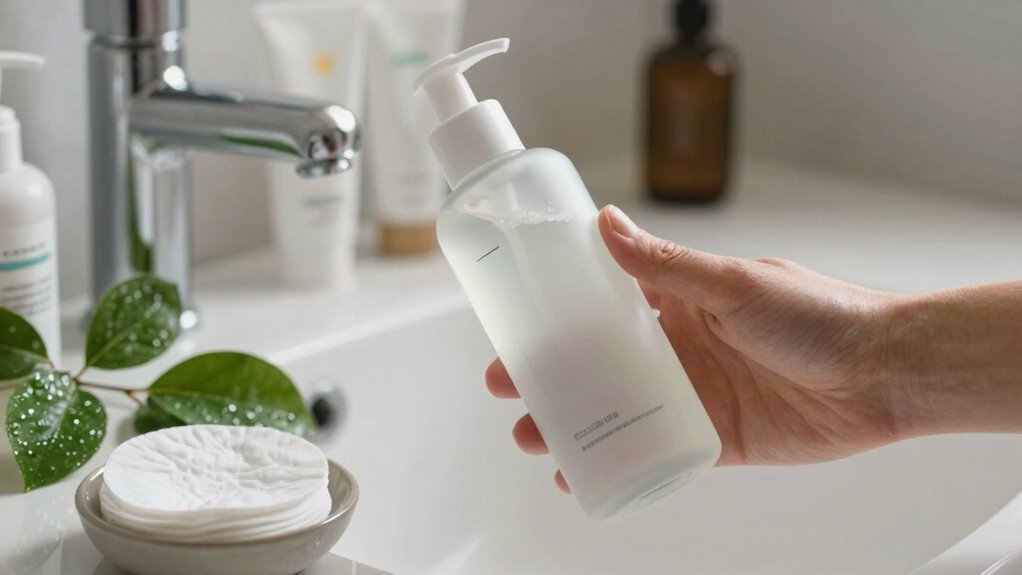
Even with the best intentions, using salicylic acid cleansers incorrectly can lead to irritation or less-than-ideal results. One common mistake is choosing a cleanser with too high a salicylic acid concentration, which can harm skin sensitivity and cause dryness. Typically, 1–2% SA is safe for twice-daily use on oily or acne-prone skin. However, exceeding this can be harsh.
Another error is relying on multiple SA products, such as a cleanser plus serums, without keeping the total SA around 2%. This can risk over-exfoliation. Additionally, some cleansers contain harsh ingredients like alcohol, fragrance, or comedogenic components, which can worsen irritation.
Finally, neglecting sun protection after cleansing can leave skin vulnerable. Always follow up with broad-spectrum SPF 30+ when outdoors.
Best Practices for Incorporating Salicylic Acid Cleanser Into Your Routine
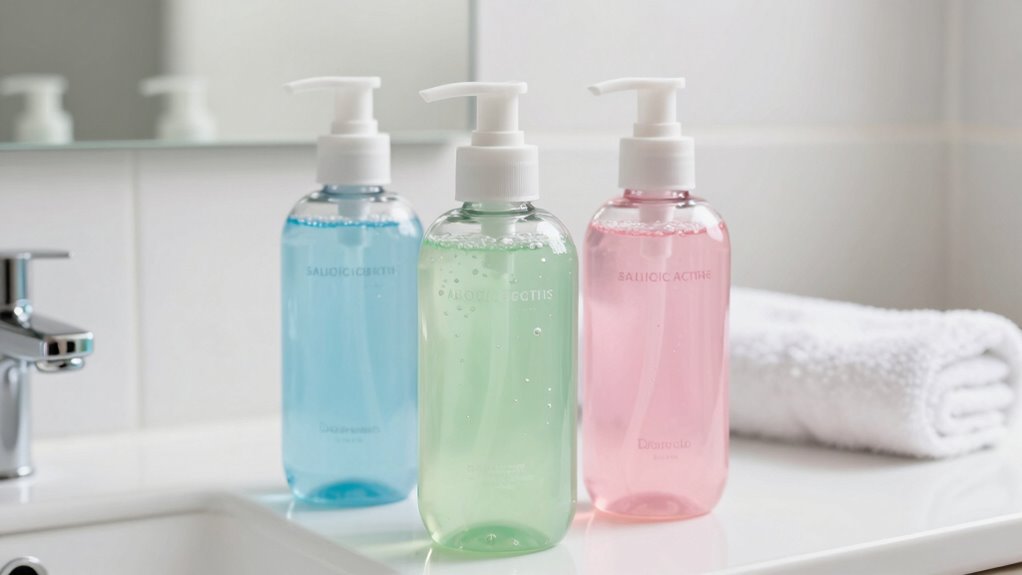
How can incorporating a salicylic acid cleanser into a skincare routine be both effective and gentle? The key is starting with a 1–2% salicylic acid cleanser, especially for oily or acne-prone skin. Using it twice daily helps keep skin clear without over-exfoliating. For heavy makeup or sunscreen, a double-cleanse, first with the salicylic acid cleanser, then a hydrating second cleanse, works well.
Pair the cleanser with a non-comedogenic moisturizer and SPF 30+ to protect the skin barrier. To avoid irritation, don’t combine high-concentration SA products beyond 2%. Practical tips include starting slow and adjusting based on skin tolerance, using a gentle, non-drying formula, following with hydrating products at night, and monitoring skin for signs of over-exfoliation.
How to Recognize If a Salicylic Acid Cleanser Is Right for You
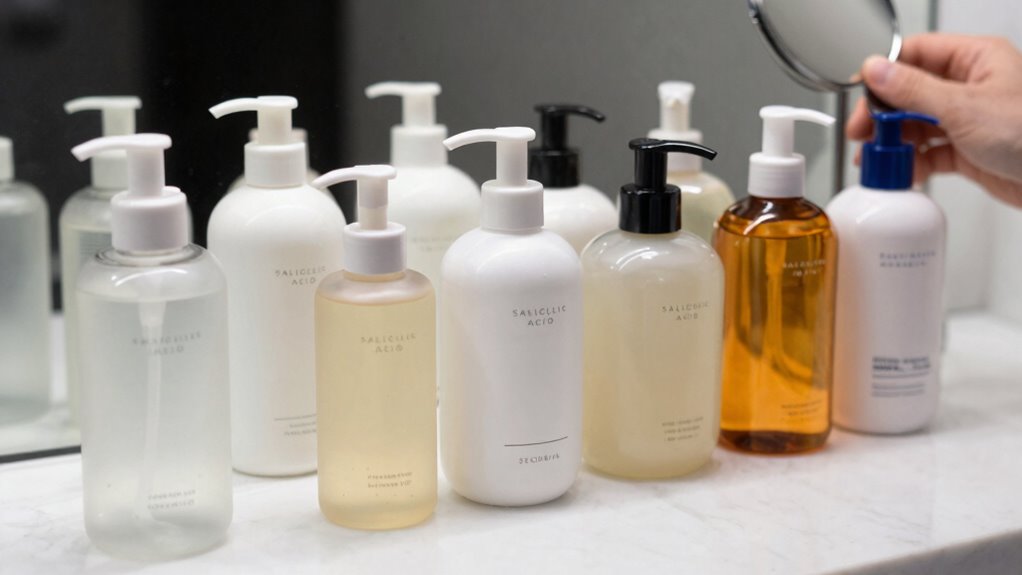
Figuring out if a salicylic acid cleanser is suitable for someone’s skin can feel a bit like detective work, but it doesn’t have to be complicated. This type of cleanser works best for oily or acne-prone skin because it exfoliates inside pores, clearing debris and reducing excess oil—key factors in preventing breakouts. Look for products with 1–2% salicylic acid for gentle yet effective exfoliation.
If the skin is dry or sensitive, choose a formulation that supports the skin barrier, containing humectants like glycerin or hyaluronic acid, and avoid harsh ingredients like high alcohol content or sulfates. Recognizing if a salicylic acid cleanser is right involves understanding your skin type and how it responds to exfoliation, ensuring it’s a good fit for your skincare routine.
Tips for Combining Salicylic Acid Cleansers With Other Skincare Products
Combining a salicylic acid (SA) cleanser with other skincare products can be a smart way to enhance the benefits of a routine while avoiding irritation. Proper skincare layering is key, especially with active ingredient caution in mind.
- Use the SA cleanser in the morning and/or night, and follow with a non-comedogenic moisturizer to prevent over-drying.
- When adding an SA serum or treatment, keep the SA concentration around 1–2% to avoid irritation.
- For oily or acne-prone skin, pair the cleanser with hydrating humectants like hyaluronic acid and niacinamide to balance oil and prevent clogged pores.
Always apply broad-spectrum SPF 30+ sunscreen, as exfoliation increases sun sensitivity, boosting the routine’s overall effectiveness.
FAQs About Choosing and Using Salicylic Acid Cleansers
Many people wonder about the best way to choose and use salicylic acid cleansers for their skin. They often ask which formulations suit oily or acne-prone skin and how to avoid over-drying or irritation. A good salicylic acid cleanser typically contains 1–2% salicylic acid, which helps dissolve dead skin cells and unclog pores without stripping moisture.
To maximize benefits, it’s essential to pair the cleanser with a non-comedogenic moisturizer and SPF 30+ sunscreen daily.
| Consideration | Explanation |
|---|---|
| Product formulation considerations | Look for soothing ingredients like niacinamide or glycerin to support skin health. |
| Usage frequency | Limit to morning or night, avoiding high-SA products with serums to prevent over-exfoliation. |