
As an Amazon Associate, this website earns from qualifying purchases.
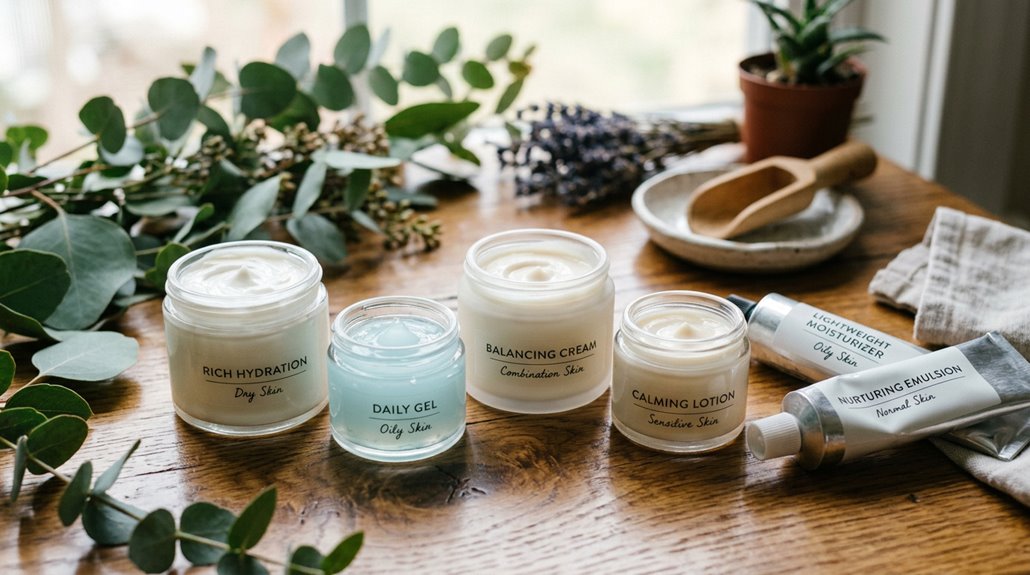
Choosing the right moisturizer begins with knowing your skin type—whether it’s dry, oily, or combination. Dry skin benefits from thicker creams with humectants like hyaluronic acid to lock in moisture, while oily skin prefers lightweight, non-comedogenic gels that won’t clog pores. For sensitive skin, fragrance-free formulas and ingredients like ceramides can help prevent irritation. Adjust formulas seasonally, and always do a patch test to ensure comfort. Keeping these tips in mind, further insights await if you continue exploring.
Understand Your Skin Type to Choose the Right Moisturizer
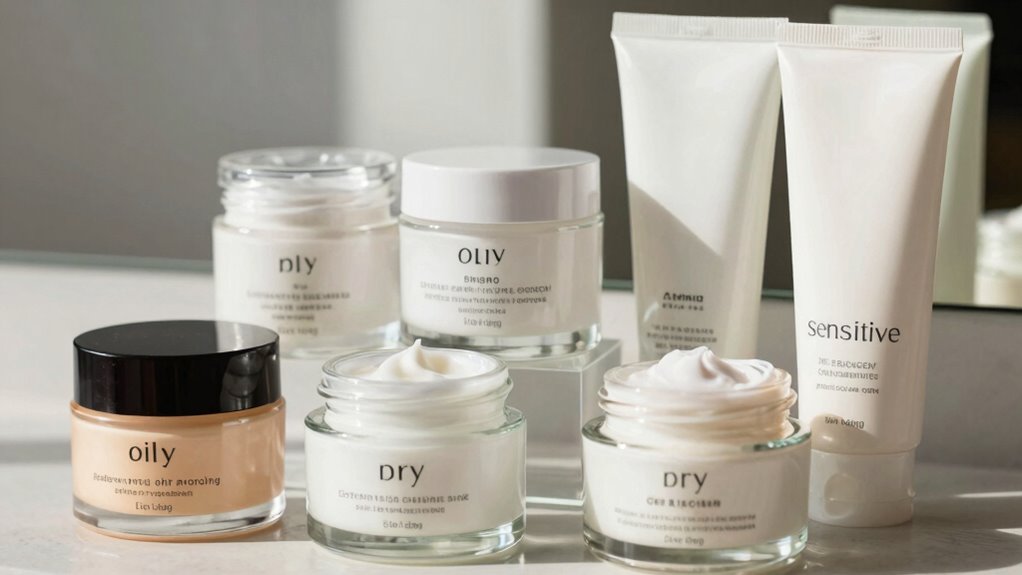
Have you ever wondered why some moisturizers work perfectly for one person but not for another? It all comes down to understanding your skin type. Knowing whether your skin is normal, dry, oily, or combination is key to selecting the right moisturizer.
For example, dry skin often needs thicker, fragrance-free creams or ointments that lock in moisture, while oily skin prefers lightweight, non-comedogenic gels that won’t clog pores. Combination skin requires a balanced approach, using lighter formulas on oily areas and richer ones on dry patches.
Observing how your skin behaves throughout the day can help identify specific needs. If you’re unsure about your skin type, consulting an esthetician can provide clarity. Choosing a moisturizer tailored to your skin type ensures better hydration and healthier skin.
What Ingredients Should You Look for in Your Moisturizer?
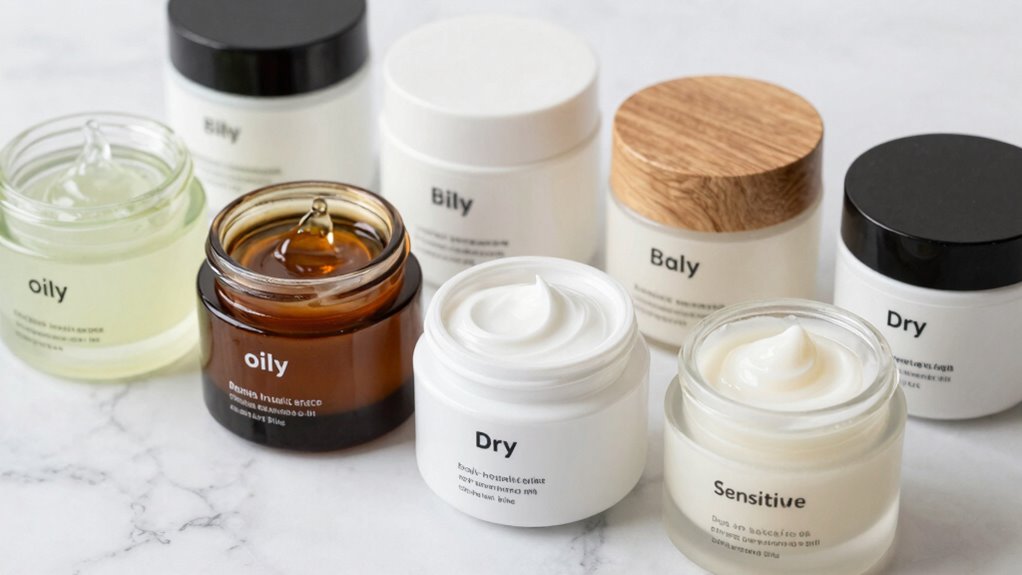
When choosing a moisturizer, paying attention to its ingredients can make all the difference in how well it works for the skin. Look for key ingredients like ceramides, which help restore the skin’s protective barrier, and humectants like hyaluronic acid or glycerin, that draw water into the skin. These keep skin hydrated and plump.
Here are three important ingredients to consider:
- Ceramides – for repairing dry or sensitive skin.
- Humectants – to attract moisture and boost hydration.
- Fragrance-free formulas – ideal for sensitive or dry skin, reducing irritation.
Choosing products with these ingredients ensures a gentle, effective moisturizer that supports skin health without unnecessary irritants.
How to Match Moisturizer Formulas to Your Skin Needs
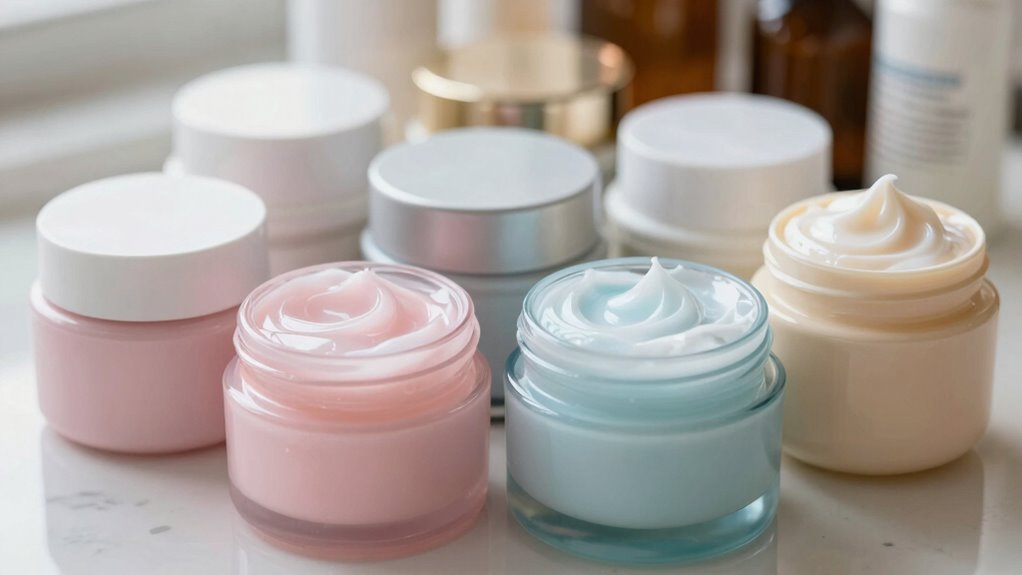
Figuring out which moisturizer formula works best often depends on understanding the unique needs of different areas of the skin. For example, dry skin benefits from thicker moisturizer formulas like creams or ointments that contain humectants, such such as hyaluronic acid, and occlusives like petrolatum, which help restore barrier hydration.
Oily skin, on the other hand, thrives with lightweight, non-comedogenic formulas such as gels or light lotions that include glycerin or niacinamide, avoiding heavy oils that can clog pores. Combination skin requires a balanced approach—using a lighter moisturizer on oily zones and a richer cream on dry patches.
Recognizing these differences allows for tailored skincare, ensuring each part of the skin receives the appropriate moisturizer formulas to support overall barrier hydration and health.
Tips for Selecting the Best Moisturizer for Aging or Sensitive Skin
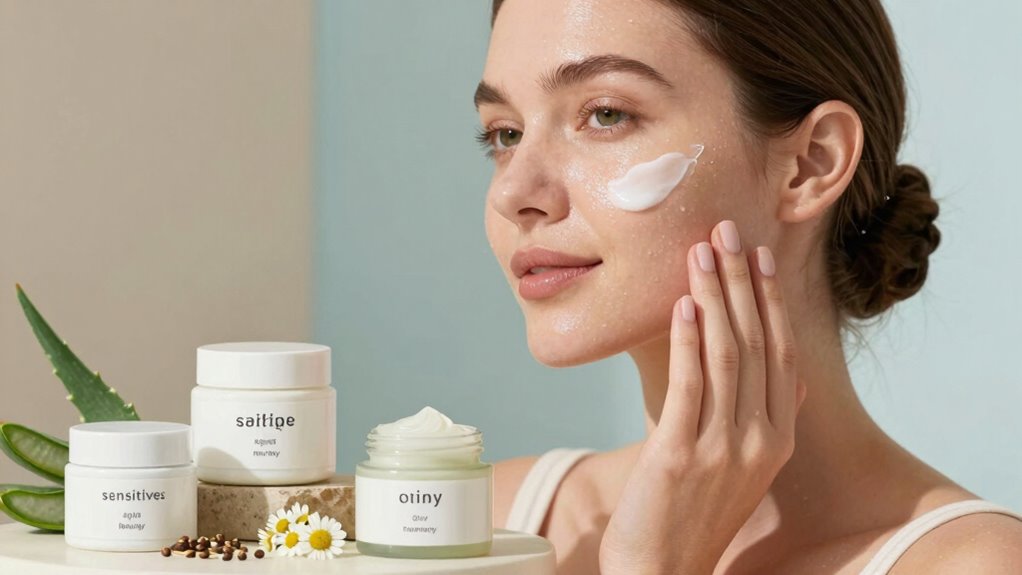
Choosing the right moisturizer for aging or sensitive skin can feel like walking a tightrope, but with a few simple tips, it becomes much easier. First, look for products labeled fragrance-free or non-irritating to avoid harsh ingredients that can trigger reactions. Second, ingredients like ceramides help restore the skin’s protective barrier, reducing water loss and keeping skin hydrated longer.
Third, incorporating humectants such as hyaluronic acid draws moisture into the skin, while occlusives like dimethicone seal it in. These elements work together to support smoother, more resilient skin. When selecting a moisturizer, it’s wise to patch test behind the ear or on the inner forearm to ensure it won’t irritate sensitive areas.
With these tips, aging or sensitive skin can stay healthy, comfortable, and well-hydrated.
How to Pick the Right Moisturizer for Combination or Oily Skin
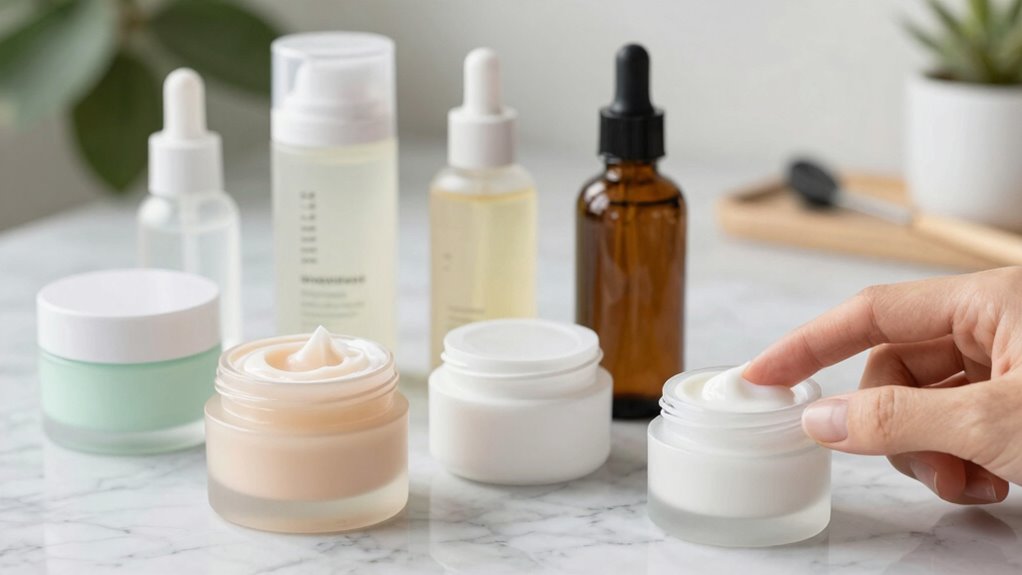
Have you ever wondered how to find a moisturizer that works just right for combination or oily skin? The key is choosing a lightweight moisturizer that won’t add extra shine or clog pores. Look for oil-free, non-comedogenic products designed specifically for these skin types. Gels or ultra-light lotions containing humectants like glycerin or hyaluronic acid are ideal because they hydrate without heaviness.
Focus on oily zones, keeping them matte, while applying slightly richer formulations only on dry patches. It’s also wise to consider products labeled for combination skin and use different formulas for day and night to balance the skin’s needs. Finally, opt for fragrance-free products to reduce irritation, especially if your skin is sensitive or acne-prone.
Practical Steps to Test and Find Your Perfect Moisturizer
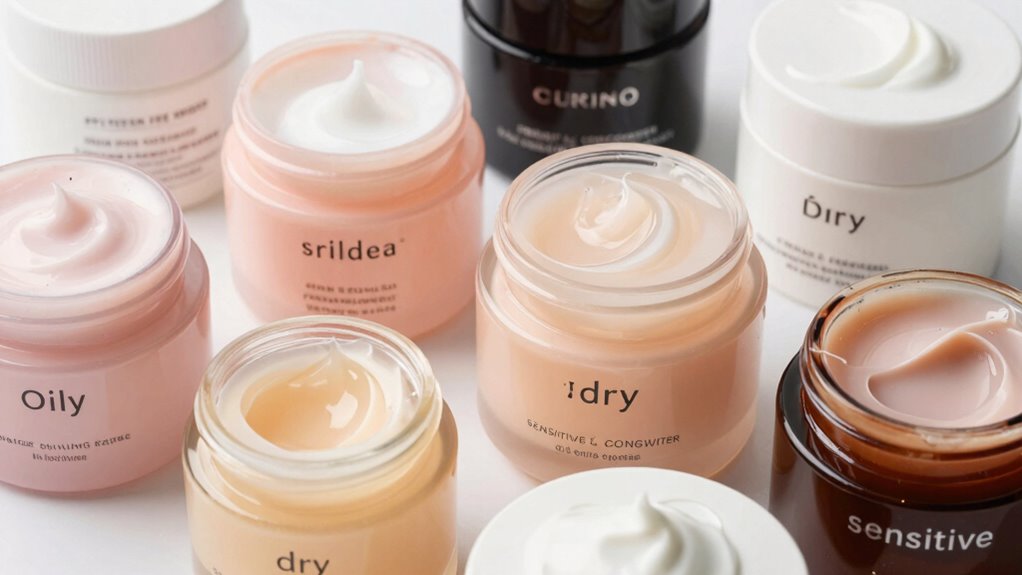
Ever wondered how to be sure your moisturizer really works for your skin? Testing is key. First, perform a patch test by applying a small amount of the moisturizer on a discreet area, like behind the ear or on the wrist, and wait 24–48 hours. This helps spot any irritation or allergic reaction, especially important with fragrance-free formulas.
Next, choose formulas labeled non-comedogenic if you have sensitive or acne-prone skin, as they won’t clog pores. Finally, monitor how your skin responds over 4–6 weeks, adjusting the texture seasonally—thicker creams in winter, lighter gels in summer.
Consistent testing ensures you find a moisturizer that truly suits your skin type, providing comfort and protection every day.