
As an Amazon Associate, this website earns from qualifying purchases.
A smooth at-home shave starts with gathering essential tools like a sharp razor, good shaving gel, and a brush for even application. Preparation is key—cleanse the skin, hydrate with warm water, and exfoliate to prevent ingrown hairs. Master the technique by shaving with the grain and using light strokes, while choosing a razor suited for sensitive or coarse hair. Post-shave care, including cooling rinses and moisturizer, calms the skin. Learning these steps can make a big difference—continue exploring for even better results.
1. Gather the Right Tools for a Smooth Shave
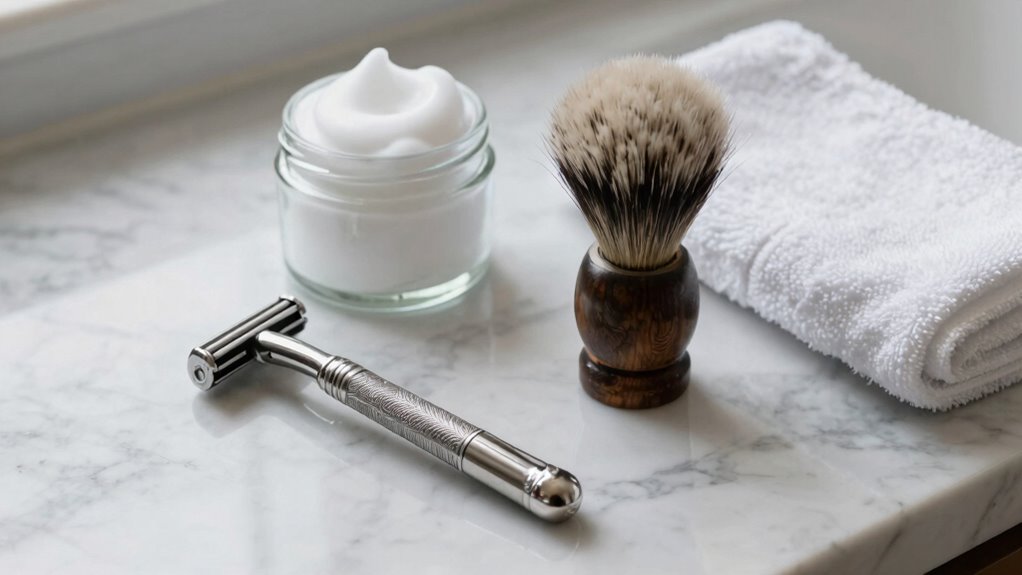
Have you ever wondered why some shaves feel smooth and comfortable while others leave irritation or missed spots? The secret often lies in gathering the right tools. A sharp razor is essential; it cuts hair cleanly and reduces tugging. Pair it with a good shaving gel or cream; these create a protective barrier, helping the razor glide smoothly over skin.
Using a shaving brush can make a real difference by evenly applying the lather and lifting hairs for a closer shave. It also helps distribute the gel more effectively, preventing missed spots. Before starting, it’s helpful to have everything organized—razor, gel, and brush—so the routine flows effortlessly.
With these tools in hand, the journey to a comfortable, irritation-free shave becomes much easier.
2. Prepare Your Skin for a Comfortable Shaving Experience
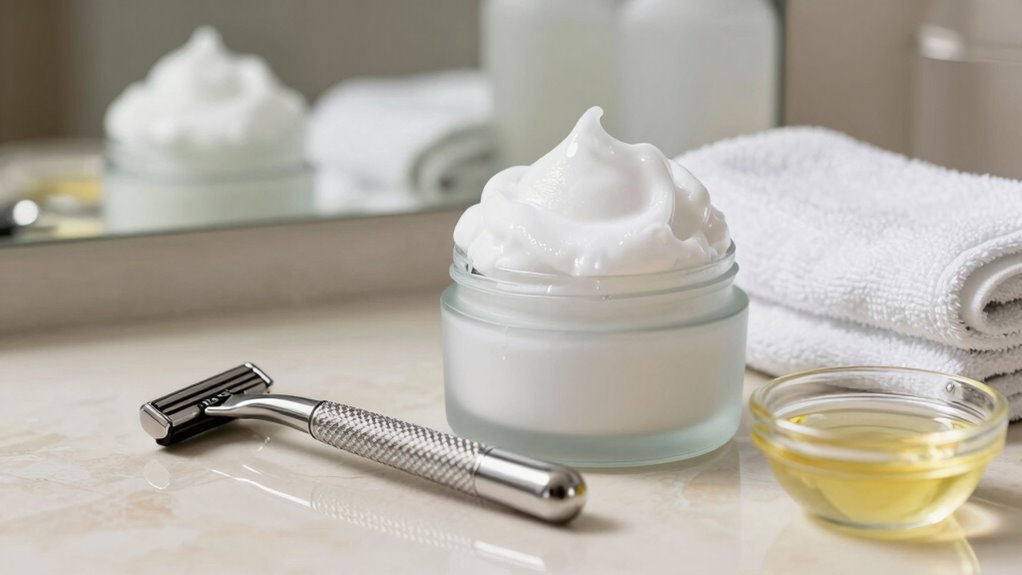
Why is preparing the skin properly such an essential step before shaving? It helps ensure a comfortable, irritation-free shaving routine. Good skin preparation starts with cleansing using a mild, hydrating cleanser to remove sweat, oil, and bacteria that can cause post-shave redness or bumps.
Then, hydrating the hair and skin by shaving after a warm shower or applying a hot towel softens hair and opens pores, making shaving smoother. Incorporating gentle exfoliation two to three times a week helps remove dead skin cells, reducing the risk of ingrown hairs and razor bumps. Exfoliation also lifts hairs, making them easier to shave.
After these steps, applying a moisturizing shaving product creates a protective barrier, soothing the skin and reducing irritation. Proper skin preparation sets the foundation for a successful shaving routine.
3. Master the Proper Shaving Technique Step by Step
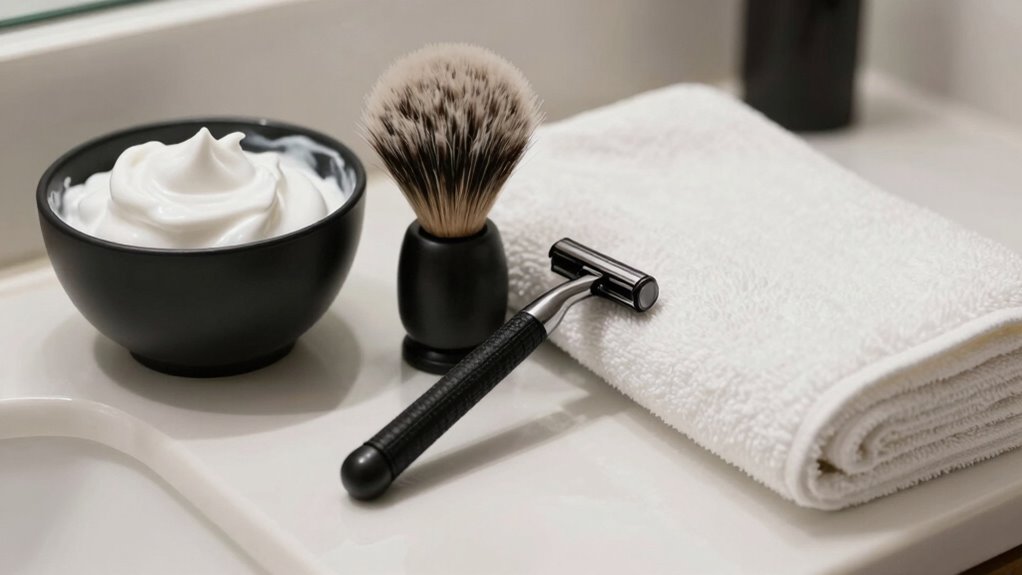
Once the skin is prepped and the hair is softened, it’s time to focus on the actual shaving technique. Following proper shaving tips helps you achieve a smooth, irritation-free finish.
First, shave with the grain, using light, short strokes. This minimizes skin irritation and discomfort.
Second, keep the blade sharp by checking the lubrication strip and feeling for tugging. Dull blades can cause redness.
Third, apply a generous layer of protective lather, creating a cushion that reduces friction.
Incorporating these steps into your basic skin care routine ensures your skin stays healthy and calm.
After shaving, rinsing with cool water and applying an alcohol-free moisturizer seals in hydration. This approach not only improves your shaving results but also enhances your overall beauty treatments skin care.
4. Choose and Use the Best Razor for Your Skin and Beard Type
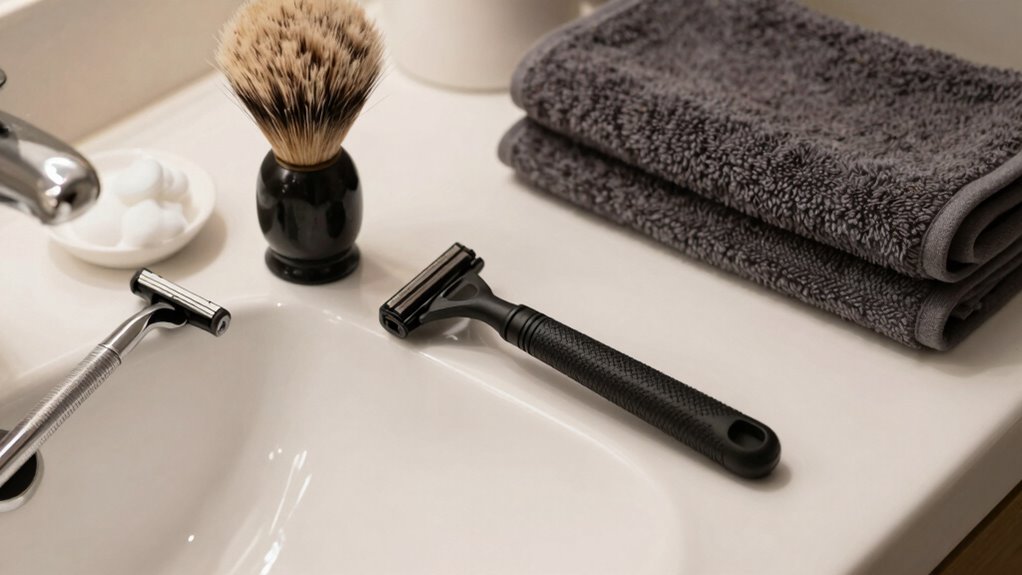
Choosing the right razor can make all the difference in achieving a comfortable, irritation-free shave. For sensitive skin, opt for razors with fewer blades or a safety razor, as these tend to be gentler and reduce skin irritation. Using a sharp, fresh blade is essential—dull blades tug at hair, causing discomfort and ingrown hairs. Replace blades every 5-7 uses or when dullness is noticeable.
If you have coarse beard hair, pairing a sharp blade with a high-glide shaving gel can help. Warming the skin for a few minutes before shaving also softens hair and opens pores, making the process smoother. Regularly check your razor for rust, chips, or cracks, and replace or service it promptly to maintain optimal performance and comfort.
5. Follow Post-Shave Care to Calm and Protect Your Skin
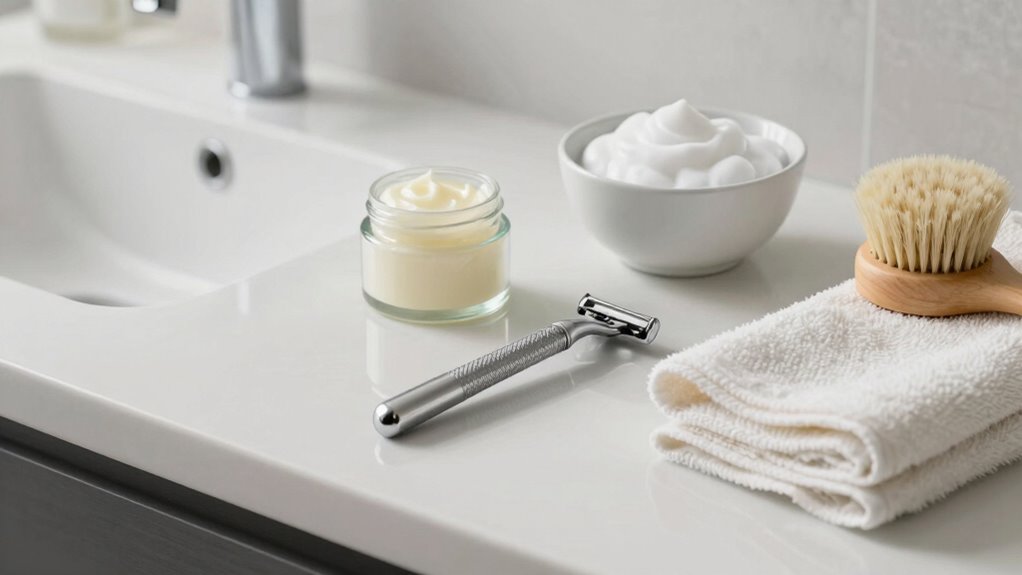
After finishing the shave, attention to post-shave care can make a big difference in how the skin feels afterward. Rinsing the face with cool water helps soothe the skin and close the pores, reducing irritation. Gently patting the skin dry with a clean towel—rather than rubbing—prevents unnecessary redness and discomfort. Applying an alcohol-free aftershave balm or moisturizer calms redness and restores hydration, which is especially helpful for sensitive skin.
For extra comfort, layering a lightweight moisturizer over the balm can provide additional moisture without feeling heavy. To keep blades sharp and bacteria-free, storing razors in a cool, dry place and rinsing them thoroughly after each use is essential. Proper post-shave care leaves skin refreshed, smooth, and ready for the day ahead.
6. Avoid Common Shaving Mistakes That Cause Irritation
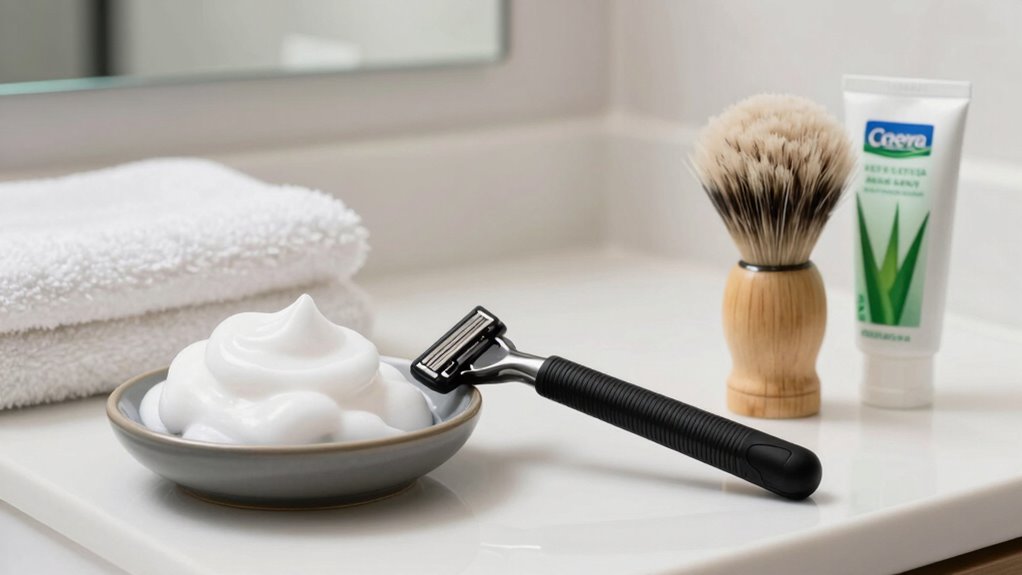
Have you ever noticed how small mistakes during shaving can lead to irritation and discomfort? Using a dull blade, for instance, causes tugging on the skin, which can lead to redness and micro-cuts. Replacing blades every 5-7 uses keeps the shave smooth and reduces irritation. Shaving against the grain might give a closer shave, but it also increases the risk of ingrown hairs and razor burn, so it’s best limited to a second pass if the skin tolerates it.
Skipping pre-shave hydration, like washing with warm water or applying a good shaving cream, dries out the skin and makes shaving harsher. Also, never forget to rinse the razor often. Clogged blades press unevenly, causing nicks. Lastly, avoid harsh alcohol-based aftershaves; gentle, alcohol-free balms soothe sensitive skin better.
7. Tailor Your Shaving Routine to Your Skin and Hair Type
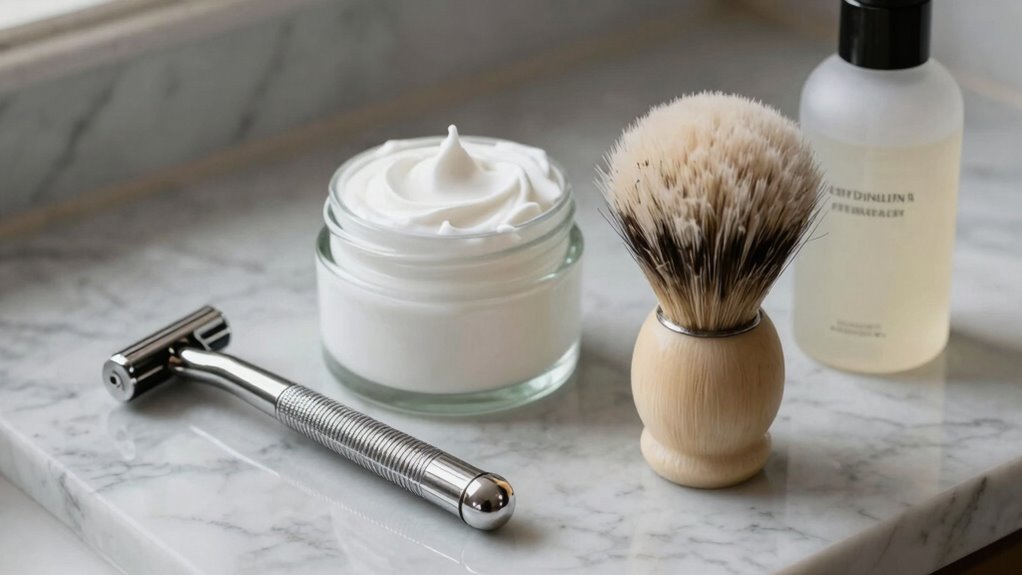
Ever wonder why some people’s shaving experiences feel smooth and comfortable while others struggle with irritation? The key often lies in tailoring the routine to the individual’s skin and hair type. For example, those with normal skin can usually handle various products, but finishing with a light balm helps reduce irritation.
Oily skin benefits from thorough cleansing and noncomedogenic gels to prevent clogged pores. Dry skin does best with moisturizing gels or foams, topped with nourishing balms, and sometimes a light moisturizer after shaving. Sensitive skin needs gentle, low-fragrance products, lukewarm water, and alcohol-free balms to calm the area.
For combination skin, lighter products work on the T-zone, while drier parts get extra hydration. Adjusting your routine ensures a comfortable, irritation-free shave.