
As an Amazon Associate, this website earns from qualifying purchases.
Korean culture influences beauty and style through five key aspects. First, Confucian values promote modesty, self-cultivation, and social harmony, shaping polished, respectful appearances. Second, historical practices from ancient kingdoms introduced distinct makeup styles and rituals that still inspire modern skincare. Third, traditional ingredients like rice powder and herbal extracts are blended into contemporary routines, emphasizing hydration and health. Fourth, artisanal techniques preserve cultural heritage, connecting past and present. Lastly, inner strength and resilience are celebrated as essential qualities for true beauty, offering a deeper understanding of Korea’s elegant aesthetic.
1. The Influence of Confucian Values on Korean Beauty Standards
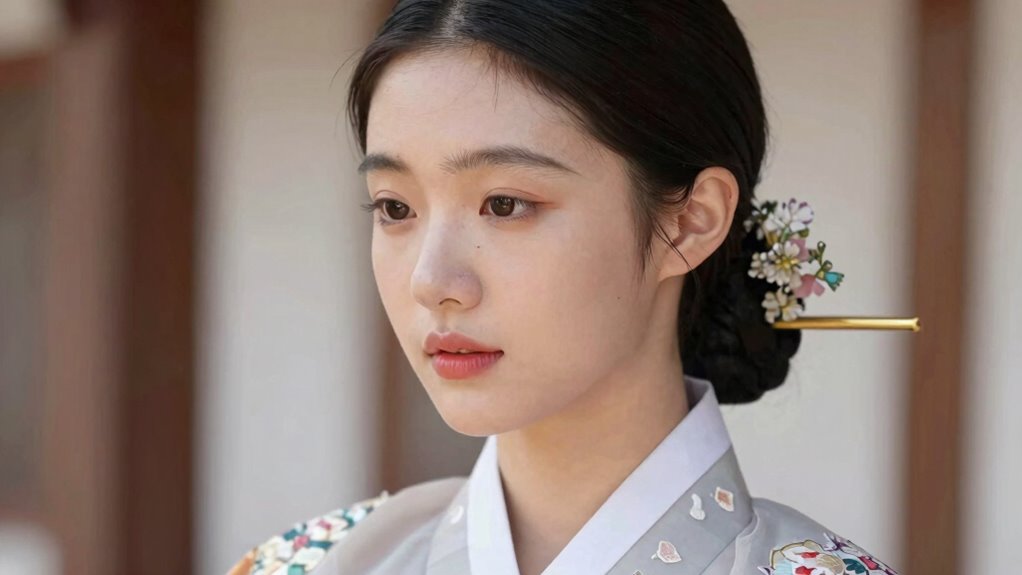
A significant factor shaping Korean beauty standards is the influence of Confucian values, which have deep roots in the country’s history and culture. These values emphasize Confucian etiquette, guiding individuals to present themselves politely and respectfully. Modest beauty aligns with this idea, favoring a natural, neat appearance over bold or flashy styles.
Self-cultivation plays a key role, as grooming and skincare are seen as acts of courtesy and personal discipline—ways to show respect for oneself and others. During the Joseon era, these principles promoted a polished, modest look, including clear complexions and soft features, reflecting social harmony and hierarchy.
Today, these traditions still influence Korean beauty, blending discipline and modesty with modern routines, creating a unique cultural identity.
2. Historical Beauty Practices From the Three Kingdoms to Joseon Dynasty
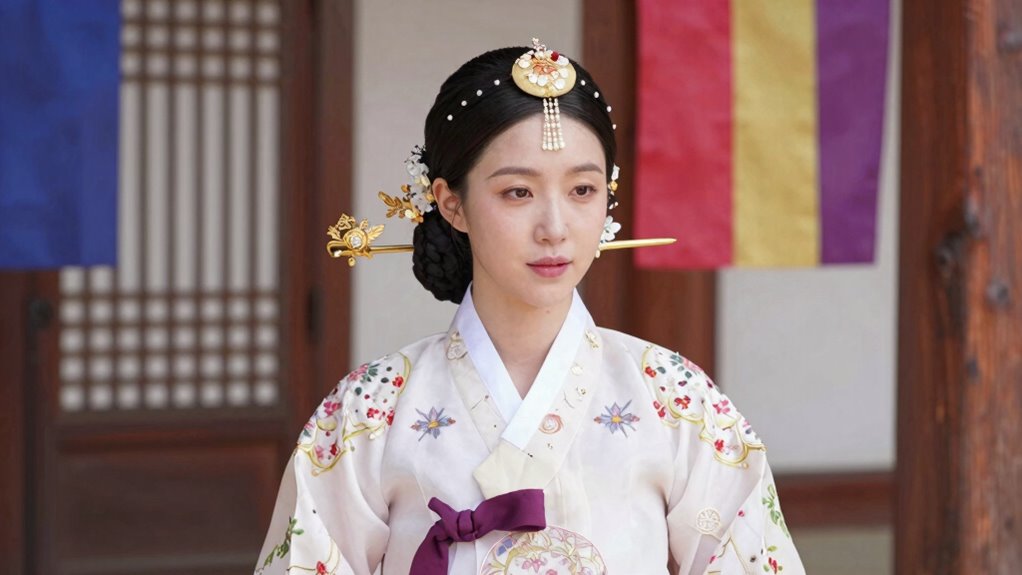
Have you ever wondered how beauty standards evolved in Korea over centuries? Korean makeup history reveals fascinating shifts from the Three Kingdoms period to the Joseon Dynasty. During the Three Kingdoms era, makeup practices varied by kingdom. Goguryeo favored round faces and thin eyebrows, while Baekje introduced technological innovations that influenced later Japanese beauty trends.
Silla linked makeup to bodily and moral purity, especially among the Hwarang warriors. In 692, lead powder was introduced, revolutionizing powders and rouges, shaping future trends.
During the Joseon Dynasty, Confucian ideals promoted modest, neat appearances, limiting makeup and emphasizing social decorum. Yet, late Joseon saw the influence of Kisaeng and elites, leading to more decorative cosmetics, setting the stage for modern beauty ideals rooted in Korea’s rich history.
3. How Korean Cultural Heritage Shapes Modern Skincare Rituals
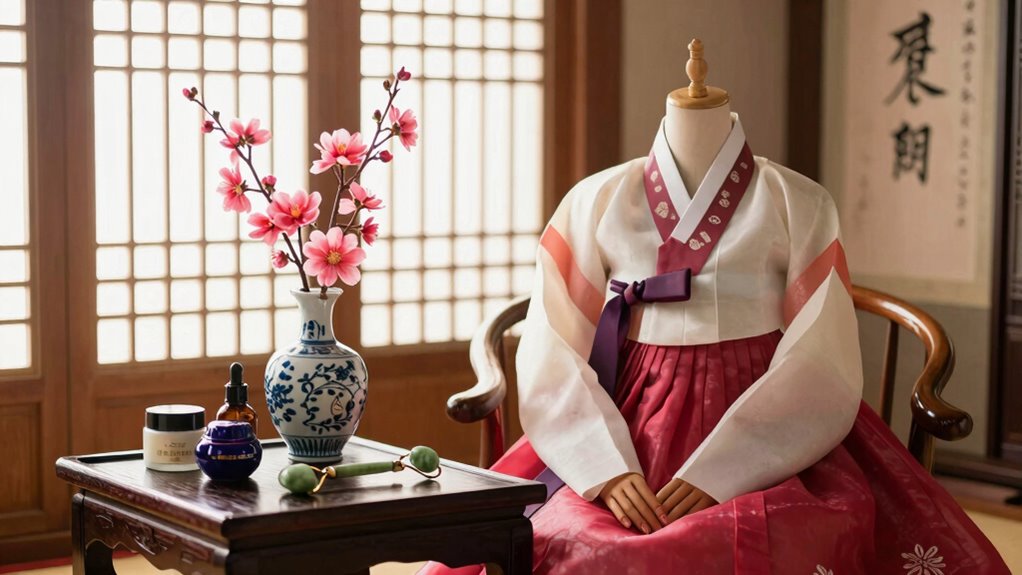
Korean cultural heritage has played a significant role in shaping the modern approach to skincare rituals, blending ancient traditions with contemporary science. The K-beauty heritage emphasizes the importance of hydration and achieving the coveted glass skin look—smooth, luminous, and translucent. Historically, Koreans used plant-based ingredients like mung bean cleansers and oils from safflower, castor, and camellia for skincare, focusing on gentle nourishment.
These traditions evolved into multi-step routines that prioritize not only cleansing but also nourishing and protecting the skin’s barrier. Today, skincare products are designed to enhance hydration, giving skin a dewy, translucent appearance. This deep-rooted cultural value links outer beauty to inner well-being, making skincare a mindful ritual rooted in centuries of Korean history.
4. The Role of Traditional Ingredients and Artisanal Techniques in K-Beauty
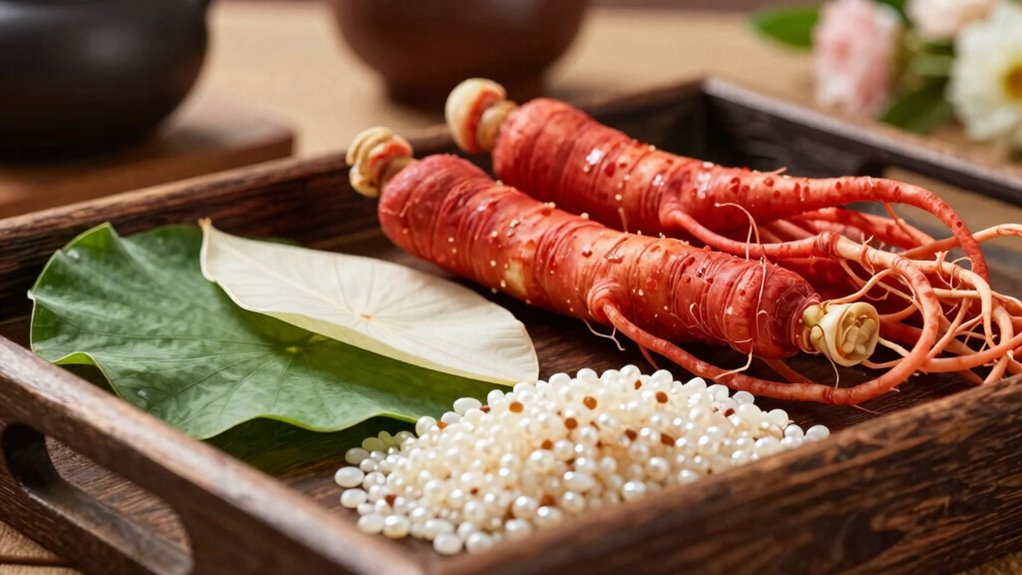
Ever wondered how ancient Korean beauty secrets still influence today’s skincare and makeup? Traditional cosmetics relied heavily on plant-based ingredients like mung bean powder, apricot oils, and lotus protein, which nurtured the skin naturally. Artisanal techniques, passed down through generations, involved precise methods such as grinding rice and millet into powders for different effects, from soft eyebrows to face-shaping. These methods highlight Korea’s rich history of crafting beauty products with care and skill.
Using plant ash and indigo soot for brow inks in shades of black, blue, or dark brown, and employing herbal and spice-based scents for baths rooted in ritual grooming are traditional practices. Adapting historic formulations, like Baekje innovations, influences modern K-beauty.
Traditional cosmetics emphasize harmony between nature and artistry, inspiring contemporary skincare practices worldwide.
5. Korean Cultural Concepts of Inner Strength and Resilience in Beauty and Style
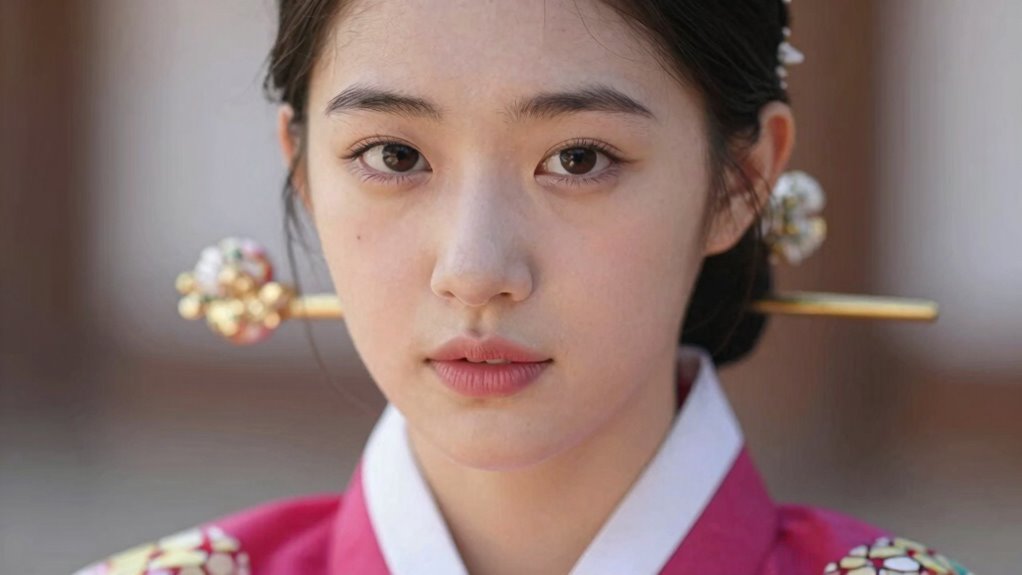
What does true beauty mean in Korean culture? It emphasizes inner strength and resilience, rooted in Confucian aesthetics that value character as much as appearance. Historically, the Joseon-era ideal celebrated a clear complexion, small face, bright eyes, and polished look—symbols of virtue and propriety.
Modern K-beauty continues this focus on inner cultivation, highlighting hydration, nourishment, and long-term skin health over surface beauty. Beauty rituals, like jjimjilbang baths or ritual makeup, serve as acts of courtesy and social harmony, reflecting resilience and inner strength.
To visualize this, consider the following:
| Inner Cultivation | Resilience | Confucian Aesthetics |
|---|---|---|
| Nourishing skin | Overcoming time | Virtue and propriety |
| Long-term care | Bouncing back | Character over appearance |
| Rituals of beauty | Inner strength | Balanced harmony |