
As an Amazon Associate, this website earns from qualifying purchases.
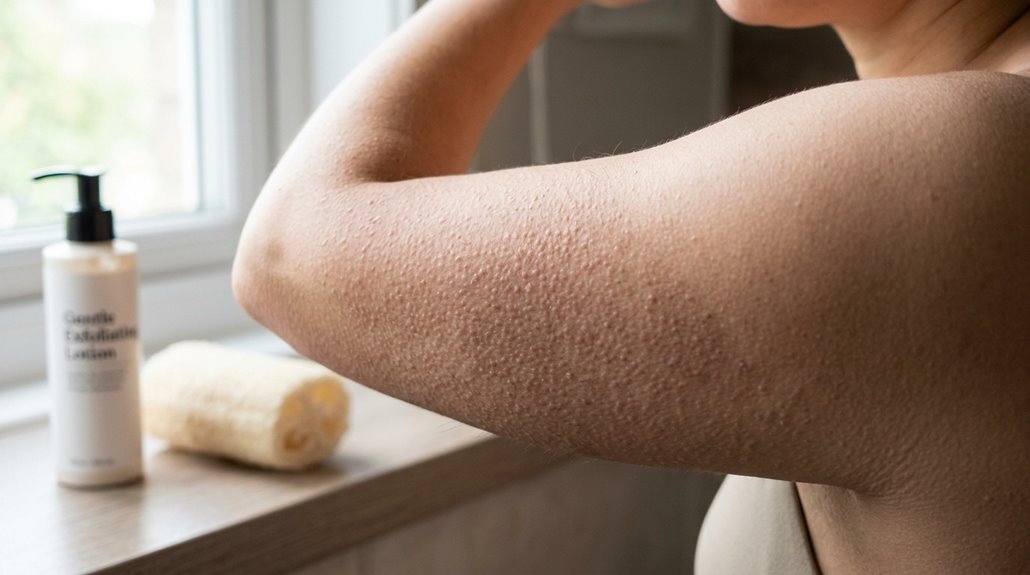
Keratosis pilaris, often caused by excess keratin clogging hair follicles, tends to run in families and is more common in dry or eczema-prone skin. To manage it, gentle exfoliation with products containing lactic or salicylic acid and moisturizing immediately after bathing helps smooth bumps and reduce dryness. Consistency is key—these simple fixes won’t work overnight. Stay tuned, as exploring further can reveal more effective strategies and home remedies to keep KP under control.
What Causes Keratosis Pilaris and Who Is Most at Risk?
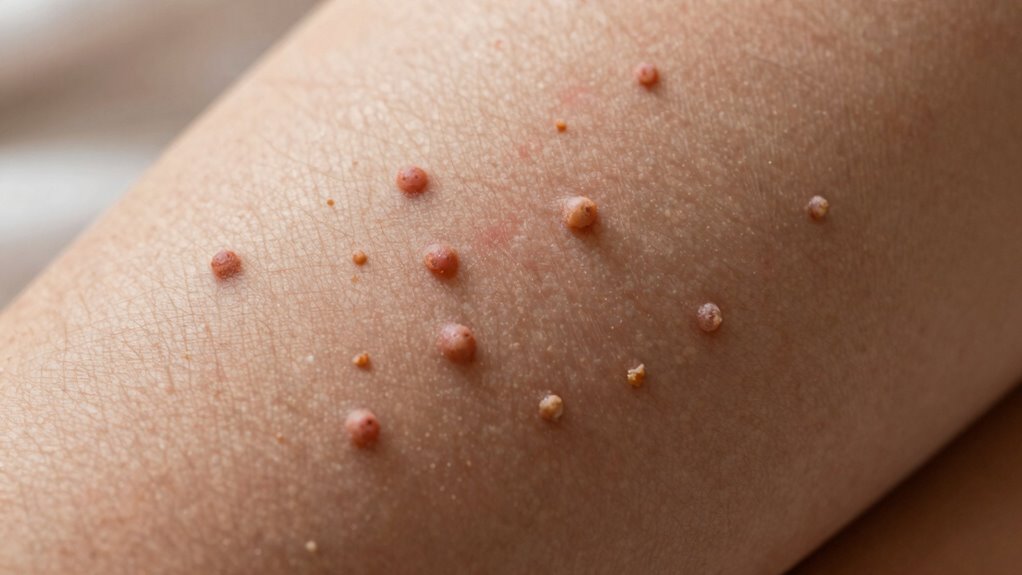
Ever wonder why some people develop those tiny, rough bumps on their skin, especially on their arms or thighs? Keratosis pilaris, often called “chicken skin,” happens when excess keratin—the protein in skin—clogs hair follicles. This causes small bumps that can feel rough but are usually harmless. Dry skin plays a significant role, making the bumps more noticeable and itchy.
Genetics also influence who gets keratosis pilaris; it tends to run in families and is more common among those with a history of eczema or dry skin. People with fair or light skin are more frequently affected, and the condition often appears in childhood, sometimes improving with age. Understanding these factors helps explain why keratosis pilaris develops and who might be most at risk.
How to Recognize the Symptoms of Keratosis Pilaris
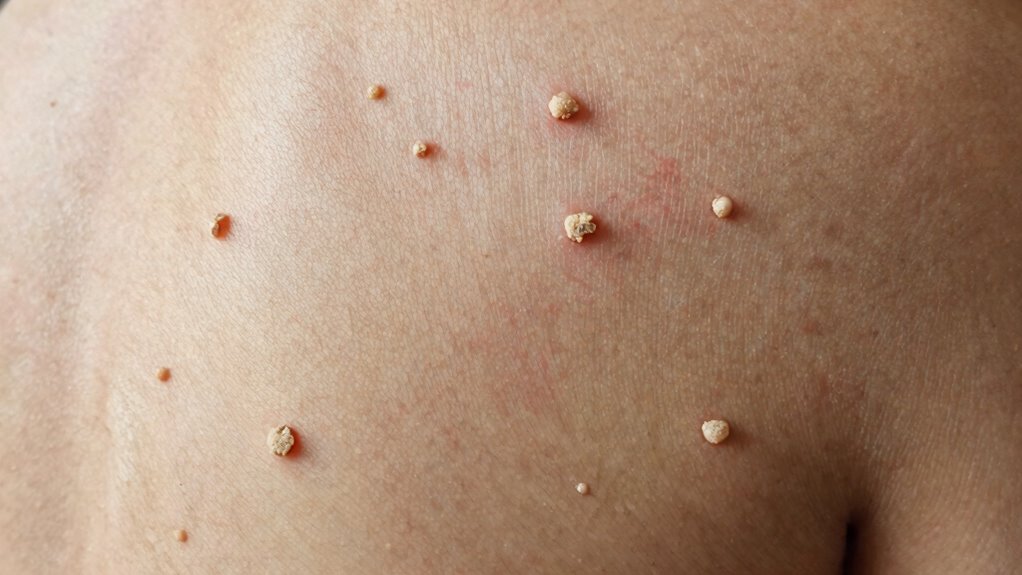
Recognizing the symptoms of keratosis pilaris can help distinguish it from other skin conditions and reassure those who notice the bumps on their skin.
This common skin condition appears as tiny, rough skin patches that often look like gooseflesh. These bumps are usually discolored, slightly red or flesh-toned, and tend to cluster around hair follicles—most frequently on the outer upper arms and tops of the thighs.
The rough skin texture results from excess keratin blocking hair follicles, creating that sandpaper-like feel. Often, keratosis pilaris is itchy or dry, and symptoms may worsen in dry weather.
Although it’s harmless, recognizing these signs helps in managing the condition early on, especially since it often begins in childhood and may improve with age.
When Should You See a Healthcare Provider for KP?
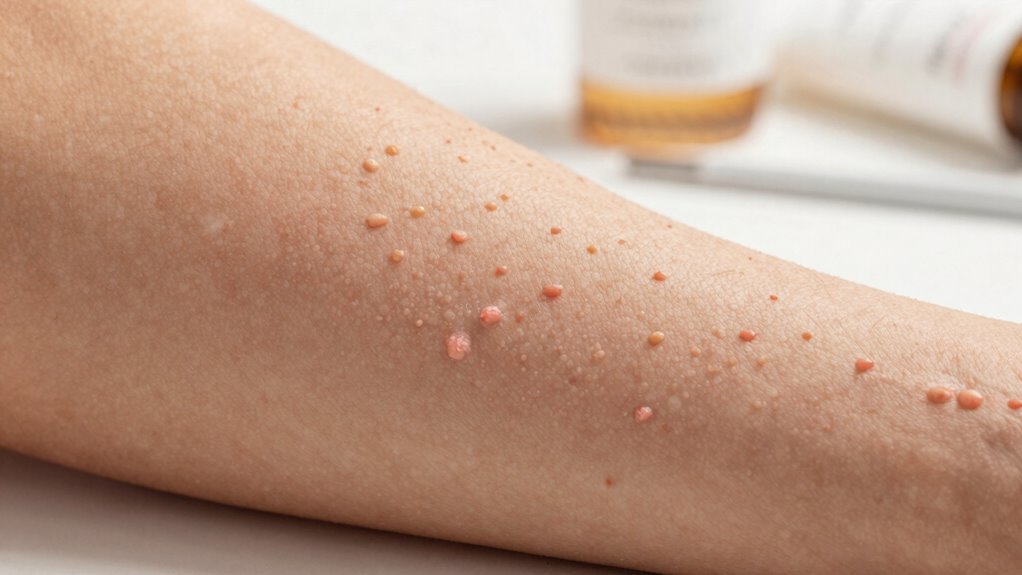
Knowing when to seek professional help for keratosis pilaris (KP) can make a big difference in managing the condition effectively. Usually, KP is harmless, diagnosed by a doctor’s visual inspection based on the appearance and distribution of small bumps around hair follicles. However, you should see a clinician if symptoms and triggers worsen or if the bumps become painful, itchy, or infected.
While treatment isn’t necessary for most, persistent dryness or discomfort might warrant a healthcare visit. Also, if the bumps don’t improve over time or after trying basic remedies, a professional can rule out other skin conditions. Seeing a doctor ensures proper advice and tailored treatment, making managing KP easier and more comfortable.
What Are the Best Over-the-Counter Treatments for Keratosis Pilaris?
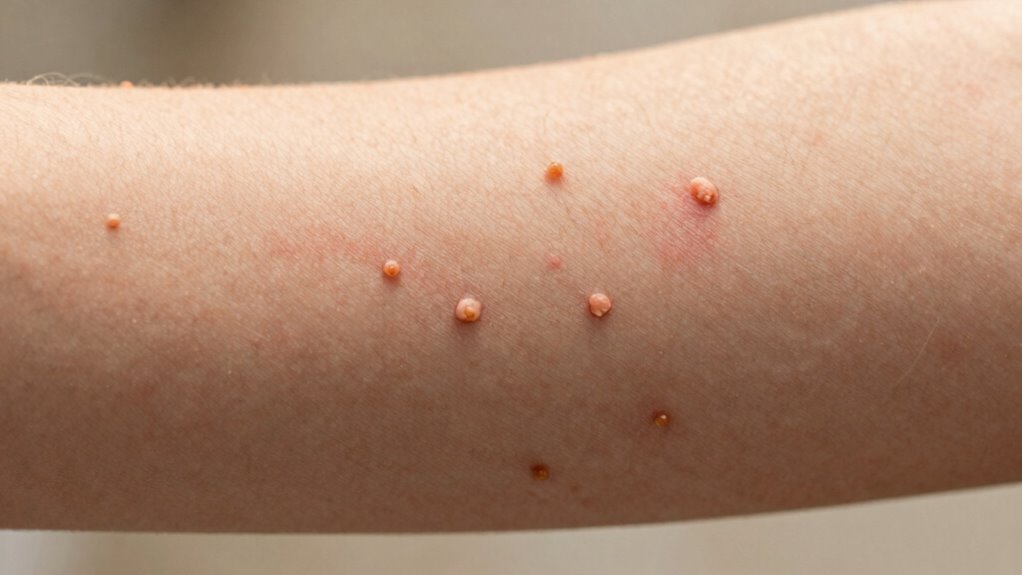
What are the most effective over-the-counter treatments for keratosis pilaris? Many people find relief with simple options like moisturizers and products containing keratolytic acids. These acids—such as lactic, glycolic, or salicylic acid—help break down the rough, dead skin that causes KP bumps.
Regular exfoliation, preferably chemical rather than physical scrubs, can smooth the skin’s surface and reduce bump visibility, usually two to three times weekly. Applying moisturizers immediately after showering, while the skin is still damp, traps hydration and lessens dryness and flakiness.
These treatments won’t cure KP but can improve its appearance and soothe itchy, dry skin, making daily routines more comfortable and skin smoother over time.
How Can Gentle Exfoliation Help Improve KP’s Appearance?
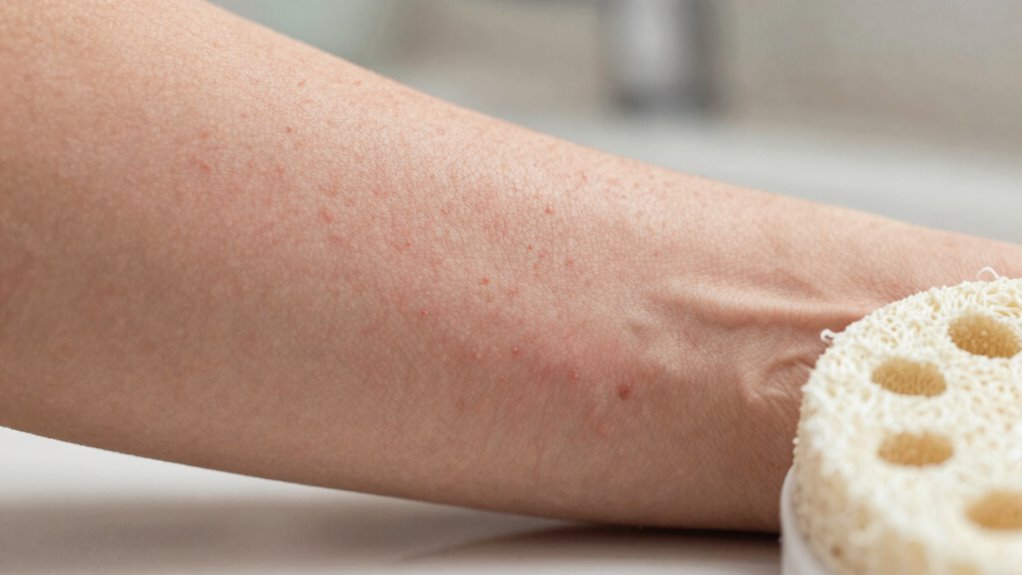
Gentle exfoliation can make a noticeable difference in how keratosis pilaris looks, especially when it comes to smoothing out those stubborn bumps. For keratosis pilaris, gentle exfoliation helps by loosening and removing the excess keratin that clogs hair follicles, which causes the bumps.
Keratolytic exfoliants, like lactic acid, glycolic acid, salicylic acid, ammonium lactate, and urea, are popular choices because they work by breaking down the thickened skin gently. It’s best to exfoliate about two to three times a week, gradually increasing frequency if tolerated. However, it’s important to remember that exfoliation alone won’t completely clear KP. Combining it with regular moisturizing boosts results, helping skin stay smooth and healthy over time.
Which Moisturizers Are Most Effective for Managing KP?
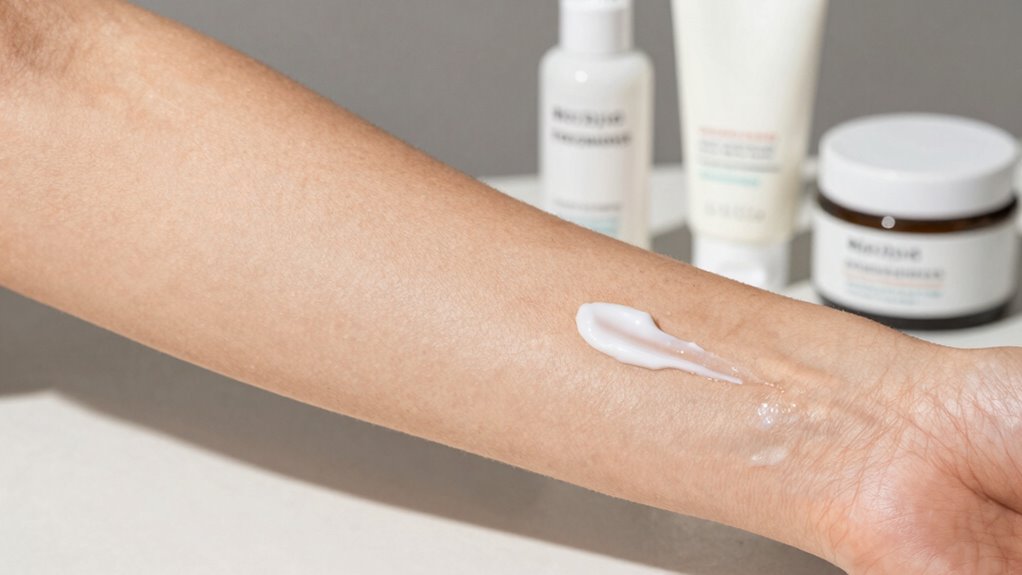
Moisturizers play a vital role in managing keratosis pilaris by helping to soften the skin and reduce the appearance of bumps. Choosing the right moisturizer can improve keratin buildup, which causes those rough, tiny bumps. When selecting a moisturizer, look for products with ingredients like urea, lactic acid, or glycerin, known for their high moisturizer efficacy. These ingredients help hydrate skin deeply and gently exfoliate dead skin cells, making KP treatment more effective.
Consistent use is key, as it keeps skin smooth and prevents recurrence. The goal is to find a moisturizer that works well for individual skin types and feels comfortable to use daily. With patience and proper products, managing KP becomes much easier and less noticeable over time.
- Contains exfoliating ingredients like urea or lactic acid
- Provides deep hydration for lasting moisture
- Suitable for daily use to maintain results
Do Prescription Topical Creams and Retinoids Make a Difference?
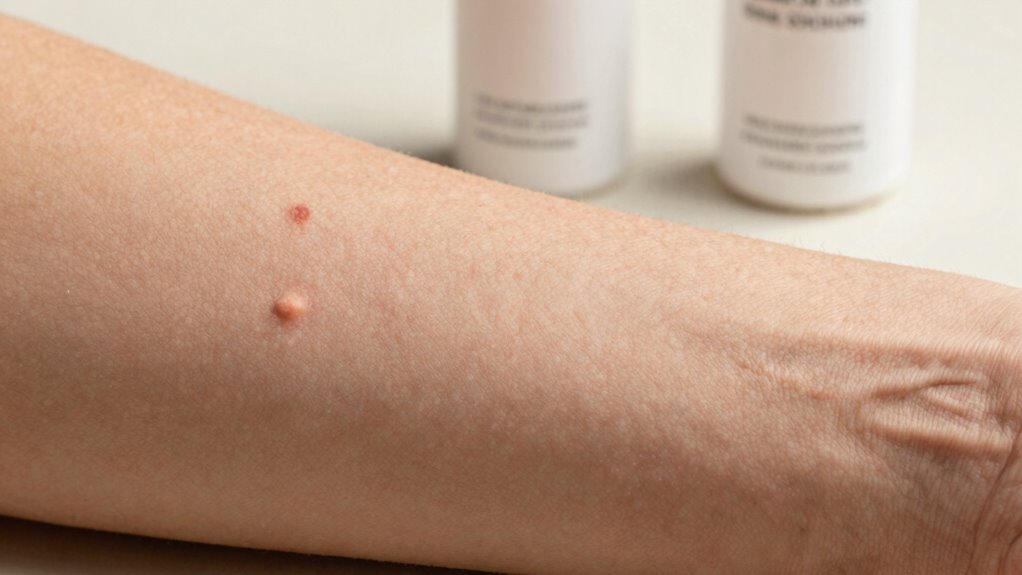
Prescription topical creams and retinoids can make a noticeable difference for those struggling with stubborn keratosis pilaris, especially when over-the-counter treatments haven’t delivered the desired results. These medications work by promoting exfoliation or preventing plugged follicles, which helps improve the skin’s appearance.
However, they may cause skin irritation and often require gradual use to avoid discomfort. Topical retinoids like tretinoin or tazarotene tend to be more effective for persistent KP but are usually avoided during pregnancy or nursing. Exfoliating prescriptions, such as higher-strength alpha hydroxy acids, are also common when other options fail, leading to gradual improvement over weeks. Regular maintenance is essential, and stopping treatment often results in recurrence.
Here’s a quick look:
| Treatment Type | Benefits | Considerations |
|---|---|---|
| Topical retinoids | Boost cell turnover | Skin irritation, pregnancy caution |
| Exfoliating prescriptions | Remove dead skin | Gradual results, consistency needed |
| Moisturization | Keep skin hydrated | Supports other treatments |
Simple Lifestyle Changes to Reduce KP Flare-Ups and Discoloration
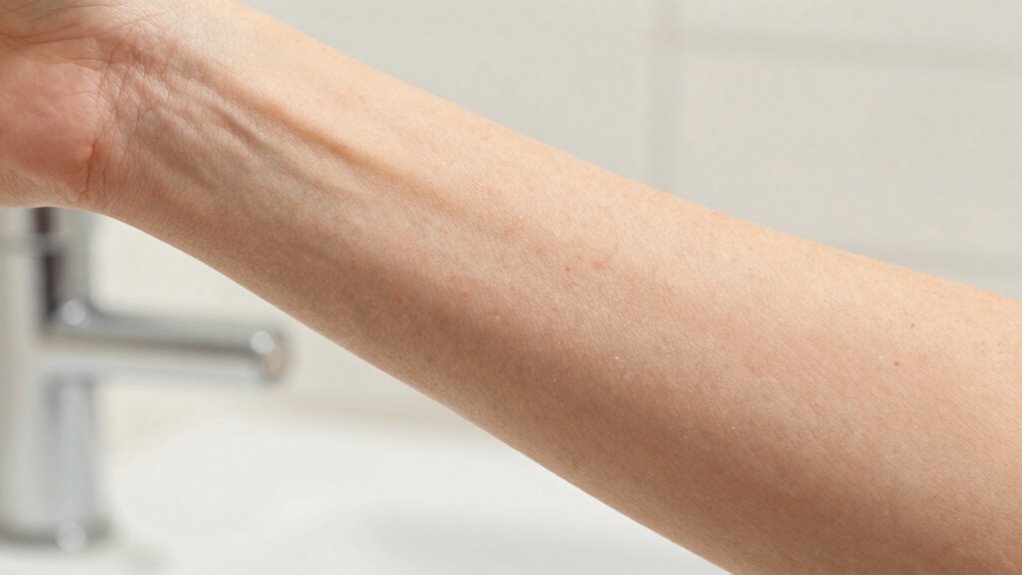
A few simple lifestyle changes can go a long way in reducing flare-ups and discoloration caused by keratosis pilaris. Consistency is key, especially with a gentle skin care routine that targets keratin plugs, those small bumps that form due to excess keratin. Moisturizing regularly helps keep skin soft and minimizes roughness, while gentle exfoliation can remove dead skin cells and prevent buildup. Avoid harsh soaps and hot showers, which can dry out the skin and worsen KP. Instead, opt for mild, fragrance-free cleansers and lukewarm water. Making these small adjustments supports smoother skin and less irritation.
Use moisturizers with ingredients like urea or lactic acid. Gently exfoliate with soft cloths or mild scrubs. Keep skin hydrated with consistent, gentle skin care routines.
Can Home Remedies Support Long-Term Improvement of Keratosis Pilaris?
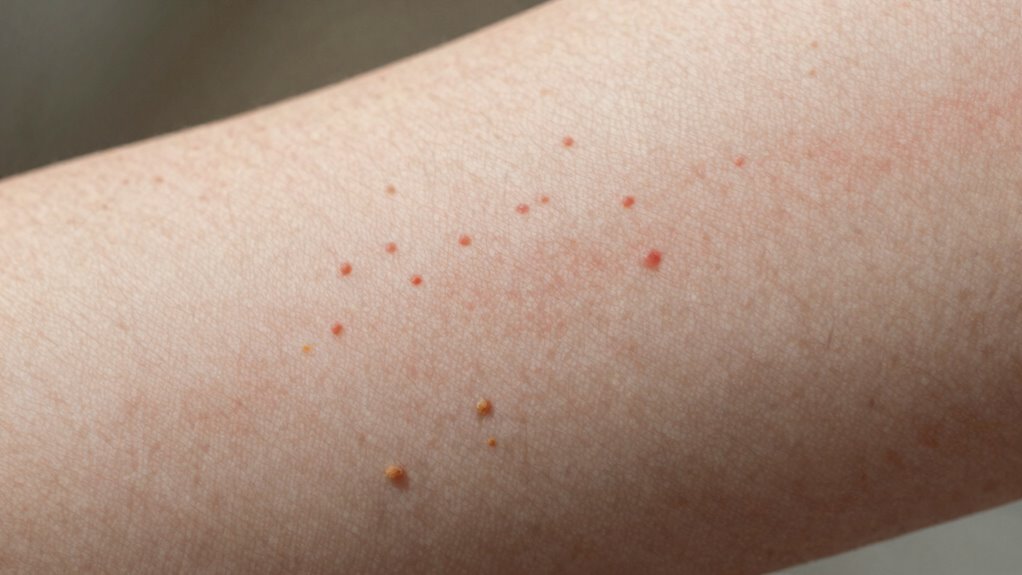
While home remedies may not completely eliminate keratosis pilaris, they can play a helpful role in managing its appearance over time. Consistent use of simple strategies like moisturizing regularly, especially after showers, helps keep the skin hydrated, reducing roughness and itchiness. Gentle exfoliation with chemical agents like lactic or glycolic acid two to three times weekly can also help remove excess keratin buildup that causes bumps. However, physical scrubs might cause irritation.
Shorter, lukewarm showers with soap-free cleansers prevent dryness and flare-ups, supporting skin health. It’s important to test any new remedy on a small skin area first to avoid adverse reactions. While home remedies support long-term improvement, ongoing treatment and patience are essential for seeing noticeable results in keratosis pilaris.