
As an Amazon Associate, this website earns from qualifying purchases.
A smooth morning starts with a reliable routine. Kids benefit from a consistent sequence—waking up calmly with music, dressing in clothes prepared the night before, and having a visual checklist to stay on track. Organizing essentials like backpacks and lunches in advance reduces last-minute chaos. Creating a peaceful environment, waking up earlier, and using positive reinforcement help make mornings less stressful. Keep exploring for more tips to turn hectic mornings into calm, productive moments.
1. Why a Consistent Morning Routine Sets the Tone for the Day
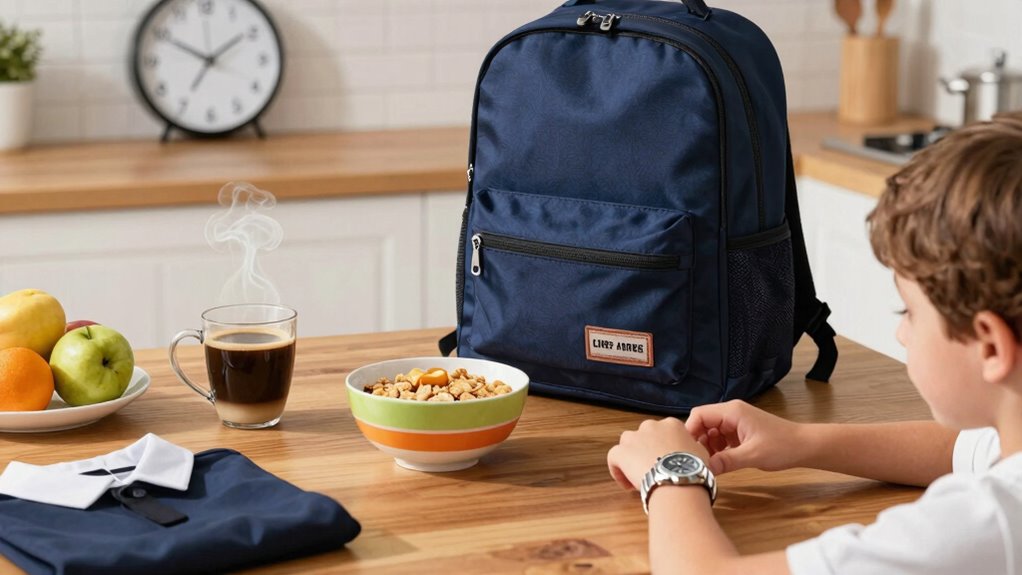
Have you ever wondered why some mornings start smoothly while others feel chaotic? A consistent morning routine creates a predictable structure that helps set a calm start to the day. When children and parents know what to expect, it reduces stress and eases transitions between activities.
Predictability fosters confidence and security in children, helping them feel more in control and less anxious. Following a routine also reinforces essential skills like time management and independence, as kids practice tasks regularly. Additionally, a steady routine promotes focus and readiness for school, making mornings more productive.
Visual routines or checklists work especially well for younger or visual learners, guiding them through each step and ensuring nothing is overlooked. Overall, a predictable morning routine nurtures a peaceful, organized start that benefits everyone involved.
2. How to Prepare the Night Before for a Smooth Morning
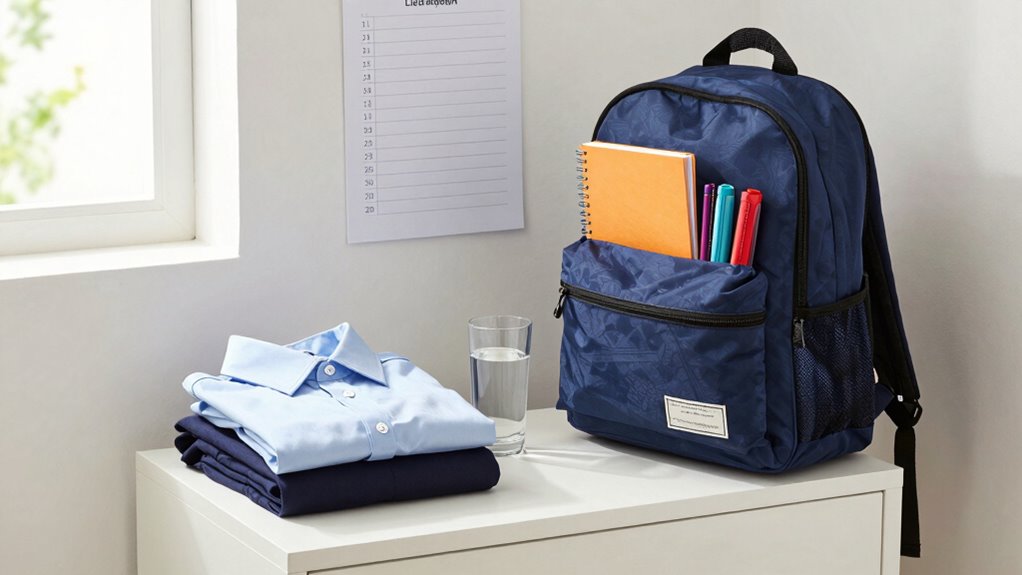
Ever wonder how some mornings seem to run smoothly while others quickly spiral into chaos? Preparing the night before can make all the difference. Start by laying out outfits for each child, including socks and shoes, to avoid frantic searches in the morning. Involving kids in choosing their clothes the night before can also help set expectations and reduce fussiness.
Packing lunches in advance saves time and stress—prepare sandwiches, chop fruits and veggies, and portion snacks, then store everything in lunchboxes in the fridge.
Organizing backpacks is another key step. Double-check that they contain homework, supplies, and permission slips, then place them by the door for easy grab-and-go. These simple routines help ensure a smoother, more organized morning.
3. Essential Items to Gather and Organize Before Leaving the House
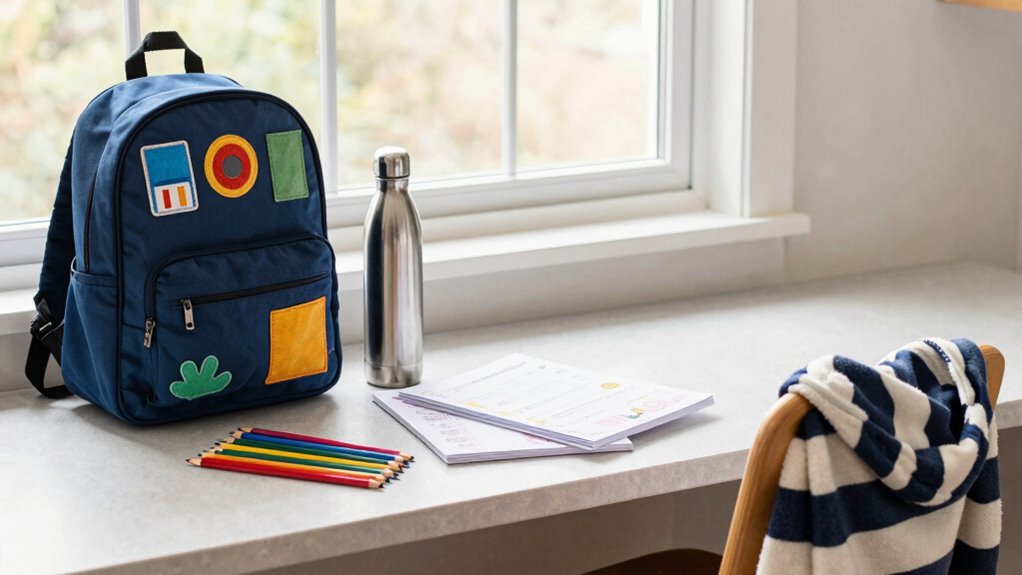
What are the essential items that need to be gathered and organized before stepping out the door? A well-planned launch pad serves as the central spot to keep backpacks, jackets, and shoes, making them easy to grab on busy mornings.
Establishing a nightly packing ritual helps ensure homework, permission slips, and supplies are checked and ready to go, reducing last-minute stress. Using labeled containers or baskets keeps lunchboxes, water bottles, and snacks visible and organized.
A simple pre-leaving checklist, which verifies all essentials are packed and includes a quick visual sweep at the door, can save time and prevent forgotten items. Keeping an emergency bag in the car with snacks and clothes can be a lifesaver. These habits streamline the process, making mornings smoother and more predictable.
4. Creating a Simple, Visual Morning Checklist for Kids
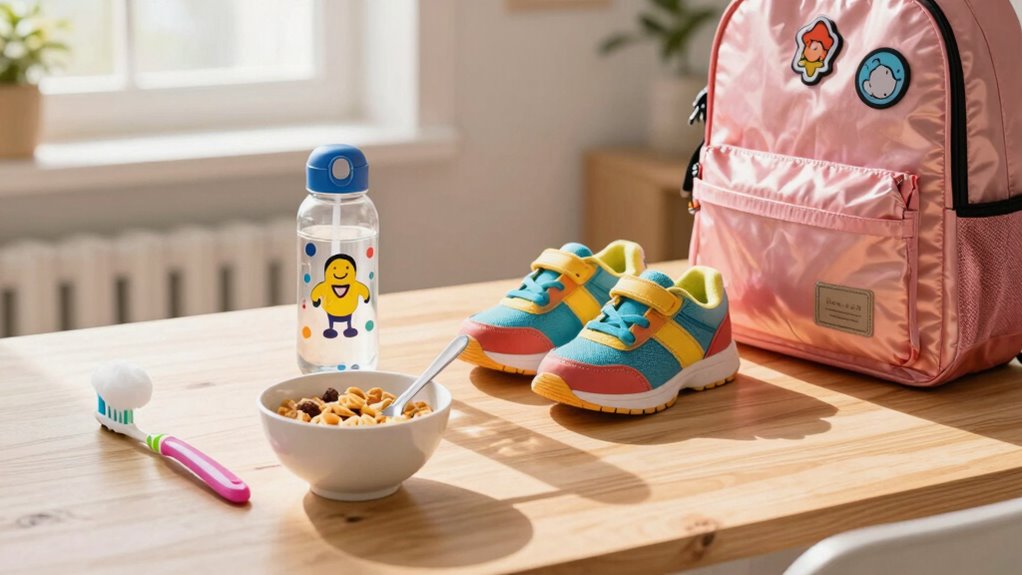
Creating a visual morning checklist is a simple yet powerful way to help children stay organized and develop independent habits during busy school mornings. By using pictures or icons for tasks like waking up, washing, dressing, eating breakfast, and packing their bag, kids can follow their routine more easily. This visual checklist is especially helpful for younger children or those who struggle with reading, as it clearly shows what needs to be done without heavy verbal prompts.
Posting the checklist in a visible spot, such as near the door or on a designated launch pad, reduces confusion and speeds up departure time. Updating the checklist as children grow encourages responsibility and routine flexibility. Making mornings smoother and more manageable for everyone is the goal.
5. Tips for Waking Up Calmly and Avoiding Morning Stress
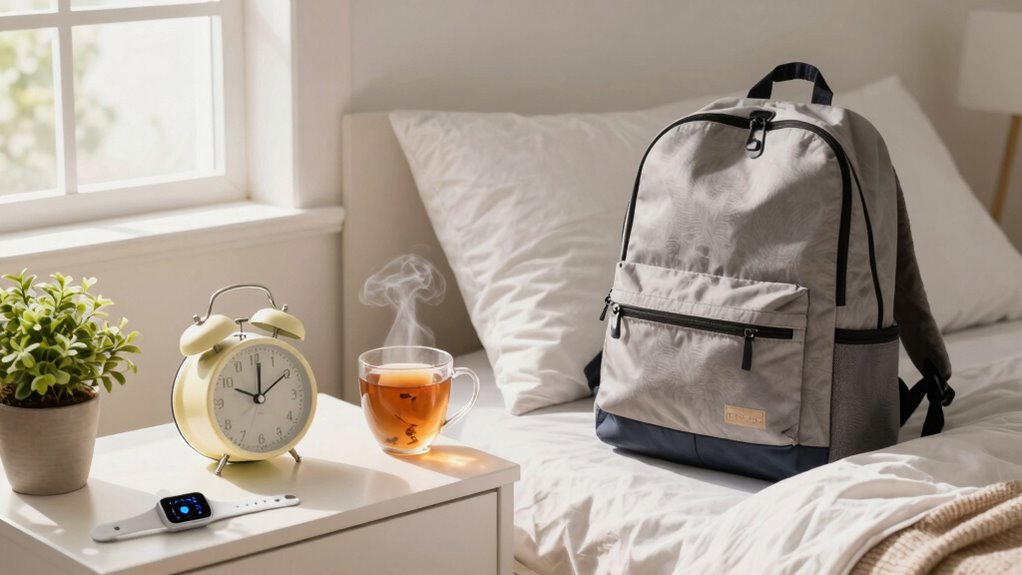
How a child wakes up can set the tone for the entire morning, making it essential to start the day with calm and gentle routines. An effective wake-up routine begins with an alarm that plays a favorite song or uses a soothing cue, easing the transition from sleep. Waking up 15–30 minutes earlier than necessary gives children quiet time, reducing the rush and stress.
Creating a calm start involves a consistent sequence: washing face, dressing, and breakfast, so children know what to expect. To help younger kids, visual checklists can guide them through each step without guesswork. Keeping the environment soothing—avoiding loud TVs and offering a brief cuddle or breakfast treat—also promotes a peaceful morning. These tips help children wake up feeling relaxed and ready for the day.
6. Strategies to Streamline Breakfast and Get Out the Door on Time
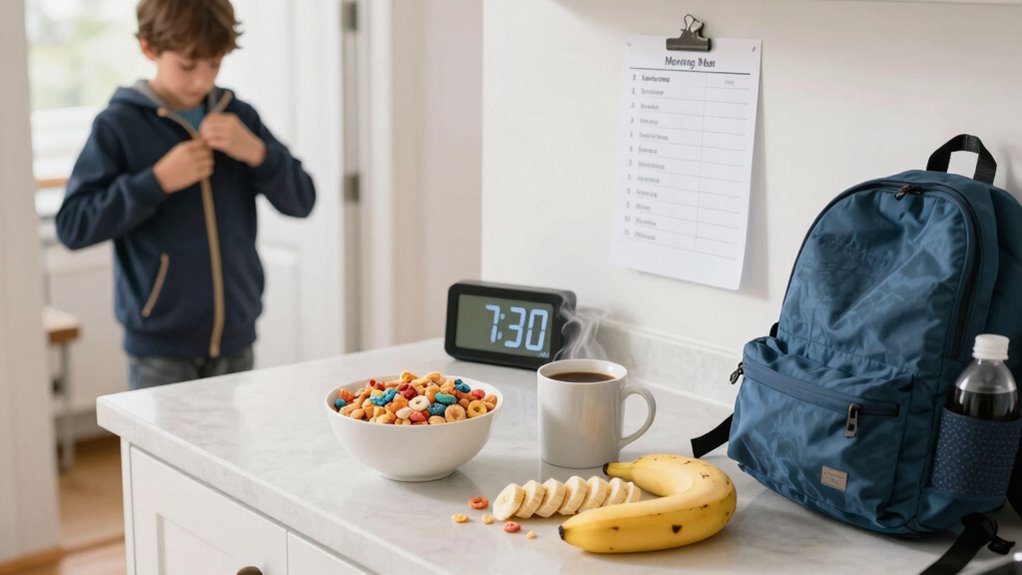
Many families find that mornings run more smoothly when breakfast routines are simplified and well-organized. Establishing a dedicated breakfast station with ready-to-eat options like overnight oats, yogurt with fruit, or smoothies helps minimize prep time while keeping meals nutritious. Using a timer to allocate specific minutes for each task, such as 10 minutes for dressing and 15 for breakfast, keeps everyone on schedule.
Preparing night-before essentials, like packing lunches, laying out outfits, and packing backpacks, reduces morning bottlenecks. Keeping breakfast simple and option-based, such as cereals, granola bars, or fresh fruit, prevents decision fatigue. Additionally, creating a “launch pad” near the door, where backpacks, coats, and shoes are kept, streamlines the process of grabbing essentials and heading out on time. This setup makes mornings less hectic.
7. How to Reinforce Routine Success With Rewards and Positive Feedback
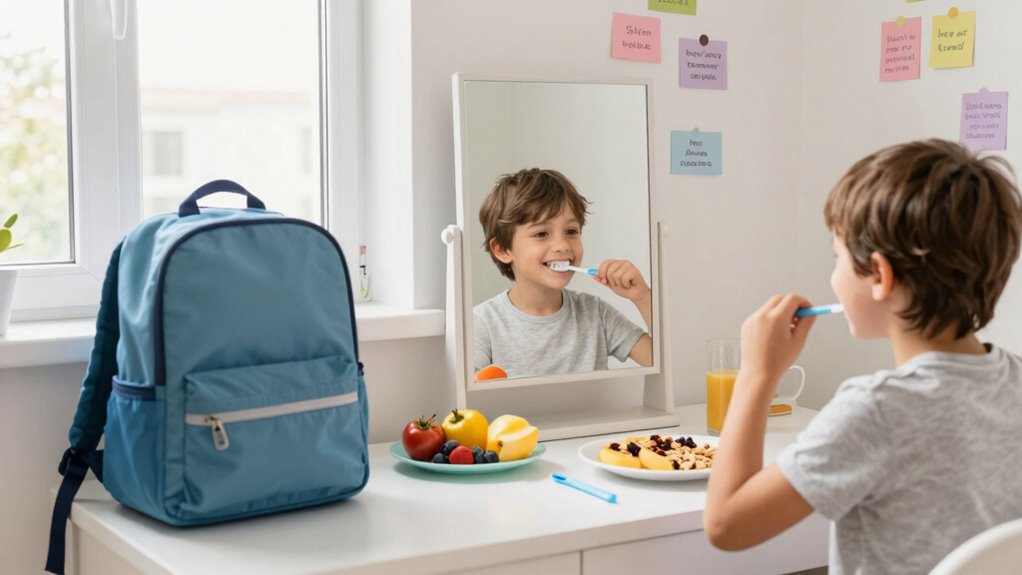
What’s the best way to help children stick to their morning routines and feel motivated? Using morning routine rewards paired with positive feedback creates a powerful combination. Immediate, specific rewards—like a sticker or extra story—encourage consistency and make mornings fun. Recognizing effort and process, such as starting tasks independently or staying organized, boosts confidence and reinforces good habits. Incorporating autonomy-support by allowing children choices, like selecting clothes or packing lunch, fosters independence.
Some effective strategies include:
- Using a visible checklist to track completed tasks
- Giving brief celebratory rituals, like high-fives
- Setting clear thresholds for small weekly rewards
- Praising both effort and decision-making to nurture autonomy
Together, these methods turn routine success into a positive, motivating experience.